Birkenstock faces investor doubt over luxury ambitions as growth slows
Birkenstock's stock sank to a record low near $32.44 after quarterly sales grew 8%, but investors saw a luxury story losing momentum.

Birkenstock's push to be more than a comfort staple is running into a harder market test: investors are no longer paying luxury multiples for a brand that still looks, in many ways, like a footwear business with strong loyalty but limited pricing latitude.
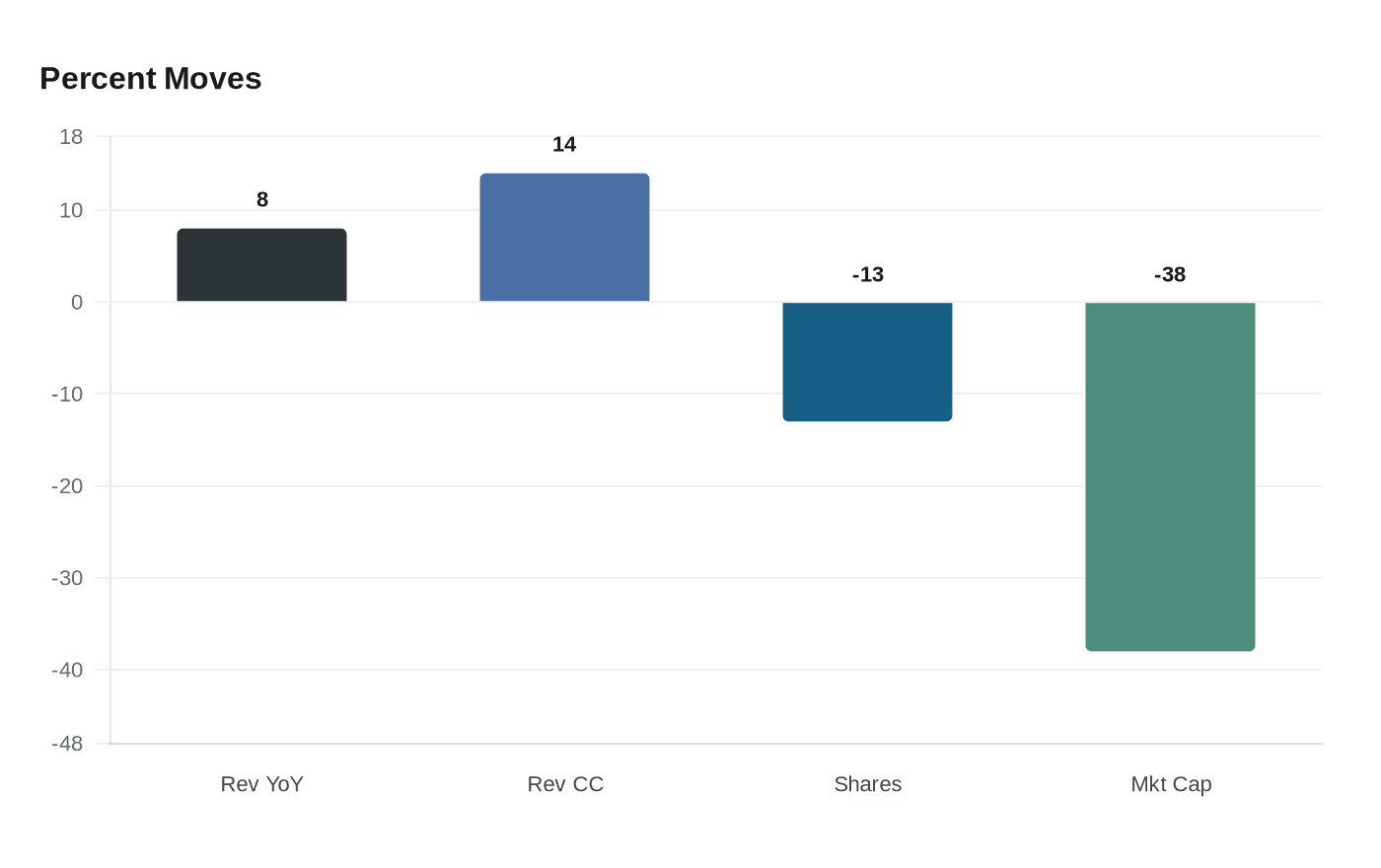
The company reported fiscal second-quarter revenue of 618.3 million euros, up 8% from a year earlier and 14% in constant currency, while reaffirming full-year guidance for 13% to 15% constant-currency growth. That was enough to keep sales moving, but not enough to settle doubts about whether Birkenstock can deliver the kind of margin expansion and brand power that public markets typically reserve for the luxury sector.
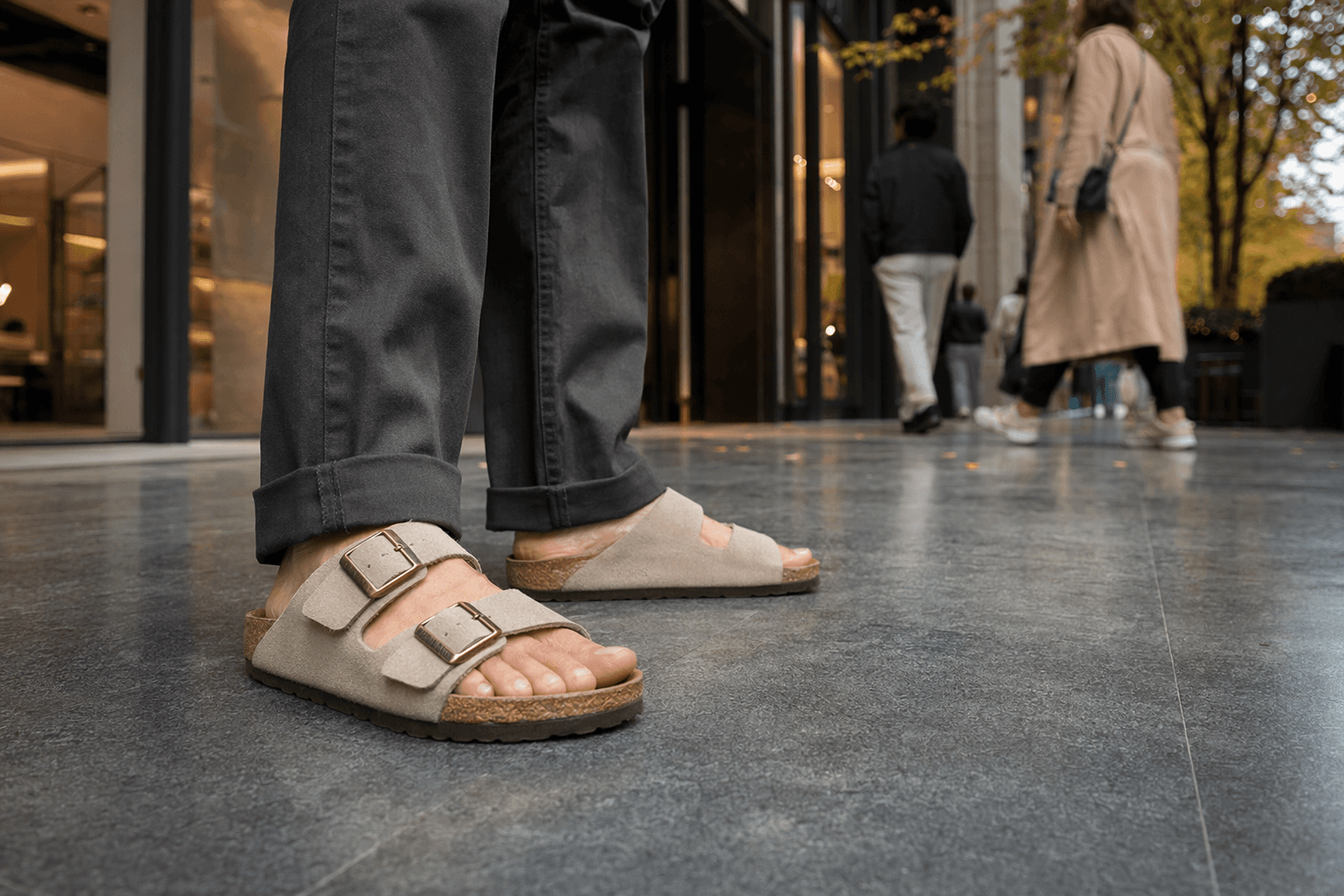
Those doubts deepened after the company said the Middle East conflict delayed shipments and cut into its Europe, Middle East and Africa business by 6 million euros, while U.S. tariff policy continued to pressure costs. Birkenstock shares fell about 13% after the update, hit a record low around $32.44, and left the company's market capitalization nearly 38% below the level implied by its New York Stock Exchange debut in October 2023.
That IPO had been pitched as proof that a 250-year-old brand could be recast for modern luxury consumers. Birkenstock, founded in 1774, went public at a valuation of about $9.3 billion and raised roughly $1.48 billion. The company had already been pulled deeper into the luxury orbit in 2021, when L Catterton bought a majority stake in a deal valuing it at about 4 billion euros, with Financière Agache, Bernard Arnault's family investment company, part of the ownership group.
The problem for Birkenstock is that premium branding only creates value when the market believes higher prices can be sustained without eroding demand. The company still has an expanding retail footprint, with five new stores added in the quarter and a total of 111 locations as of March 31, 2026. But more stores and higher visibility do not automatically translate into luxury status, especially when investors are watching for slower growth, cost pressure and missed expectations.
Birkenstock now sits at an awkward intersection of categories. It has the heritage, global recognition and cultural cachet to justify a premium position, yet it still depends on the practical customer who bought the brand for durability and comfort. If the company can widen margins without alienating that base, the luxury case holds. If not, the market may keep treating Birkenstock as a distinctive footwear maker, not a full-fledged luxury house.
Know something we missed? Have a correction or additional information?
Submit a Tip