Birmingham council paid itself £470,000 as fleet broke clean air rules
Birmingham City Council has paid itself more than £470,000 in clean air charges while one in eight of its own fleet vehicles still breaks the rules.
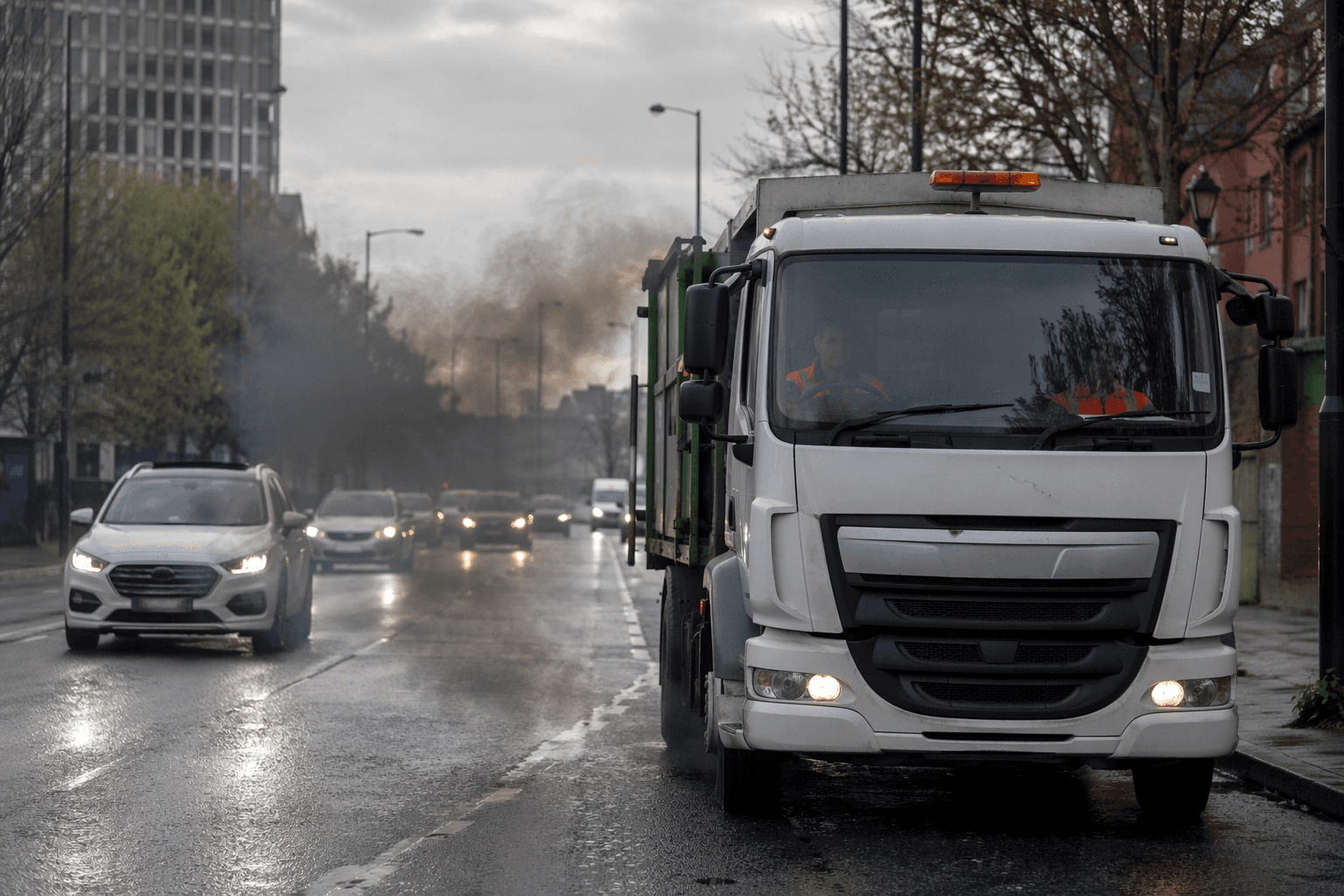
Birmingham City Council has ended up paying itself more than £470,000 in clean air charges and fines while one in eight of its own fleet vehicles still fails to meet the standards it enforces on residents and businesses.
The contradiction lands hardest in Birmingham city centre, where the Clean Air Zone has run 24 hours a day, 365 days a year since 14 June 2021 and covers the area inside the A4540 Middleway ring road. The scheme was sold as part of the city’s journey to cleaner air, but the council’s own fleet has continued to trigger daily charges because a substantial share of its vehicles remains non-compliant.
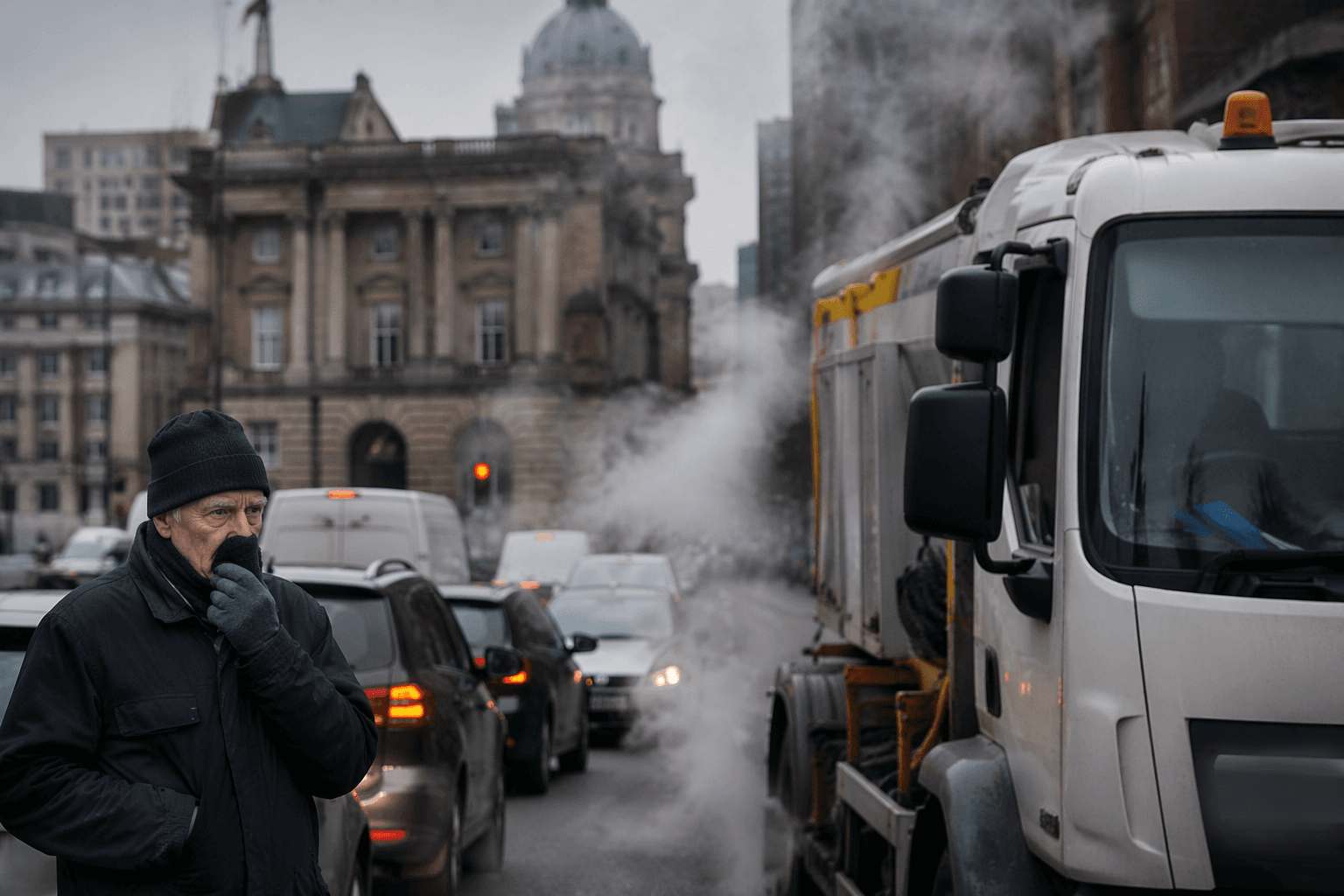
Most of the council vehicles drawing those charges came from the waste department, which is especially awkward for a city that has also been locked in a prolonged bin dispute since 2025. The figures suggest the council is still operating with a mixed fleet, despite its claim that it has been replacing non-compliant vehicles over the past 12 months.
The council said it wants “eco driving” across its fleet, yet the latest disclosure shows that at least one in eight of its vehicles still breaks its own Clean Air Zone requirements. The scale of the payments is also striking: Birmingham’s charges and fines were around 20 times the number disclosed by any other UK council running a CAZ, LEZ or ULEZ that could provide comparable information.
That leaves the council in the uncomfortable position of enforcing a policy it has struggled to follow itself. When the Clean Air Zone was launched, councillor Waseem Zaffar said the scheme would help address significant health inequalities and save lives. Three years on, the city’s own operating record suggests the clean-air drive has been slowed by the practical reality of keeping public services on the road.
A food bank described Birmingham City Council’s spending as “absolutely shocking” and said the charges had contributed to fewer volunteer drivers. That warning points beyond the council’s balance sheet. It raises a broader question about credibility: if the authority cannot keep its own fleet compliant, confidence in the fairness and effectiveness of clean-air enforcement is harder to sustain.
This article was produced by Prism’s automated news system from verified source data, official records, and press releases, then run through automated quality and moderation checks before publishing. The system is built and supervised by the people who set the standards it runs under. Read our full AI policy.
Know something we missed? Have a correction or additional information?
Submit a Tip