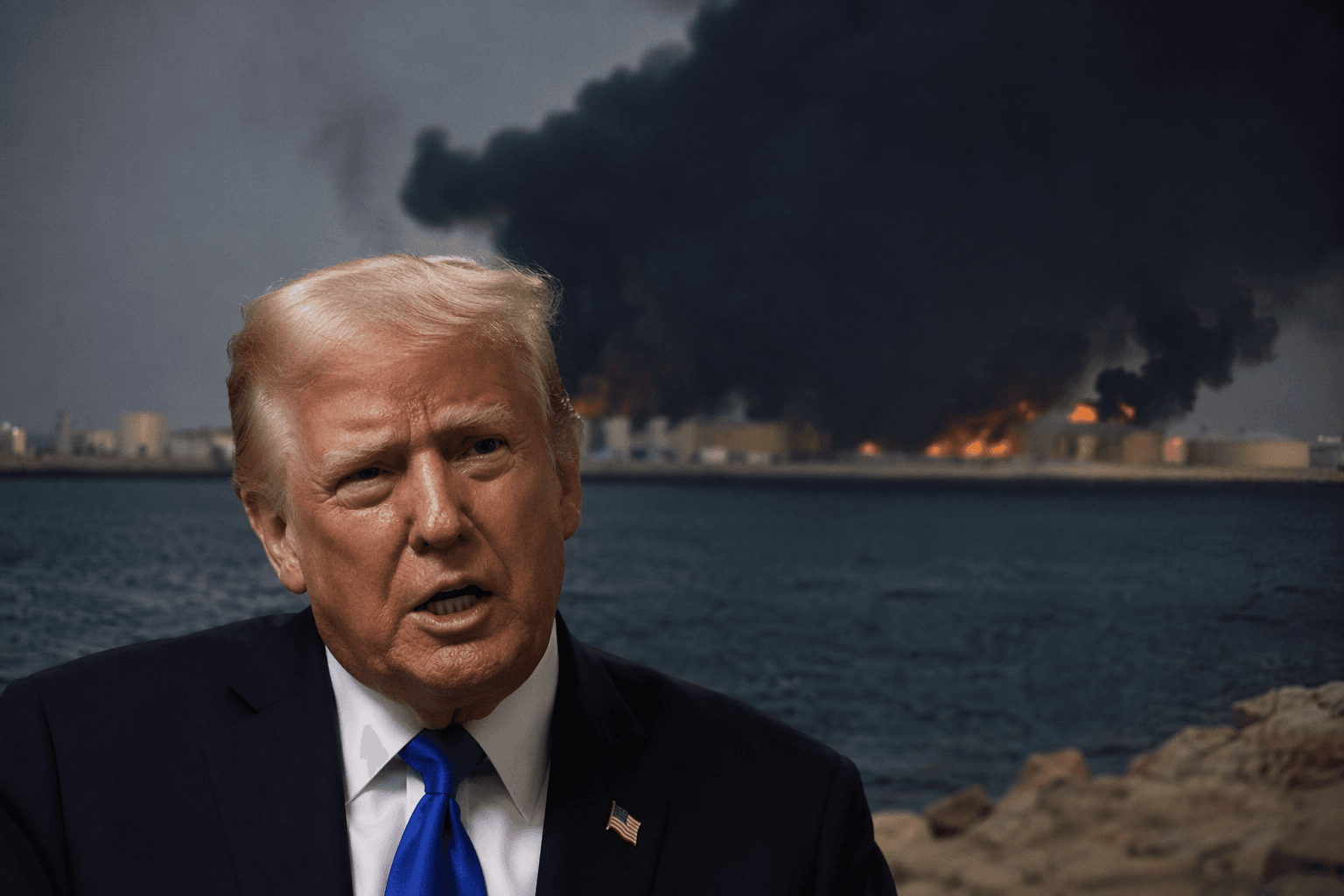
U.S. strikes Iranian targets as cease-fire talks hang in balance
U.S. strikes in southern Iran hit missile sites and mine-laying boats as Doha talks tried to preserve a fragile cease-fire.
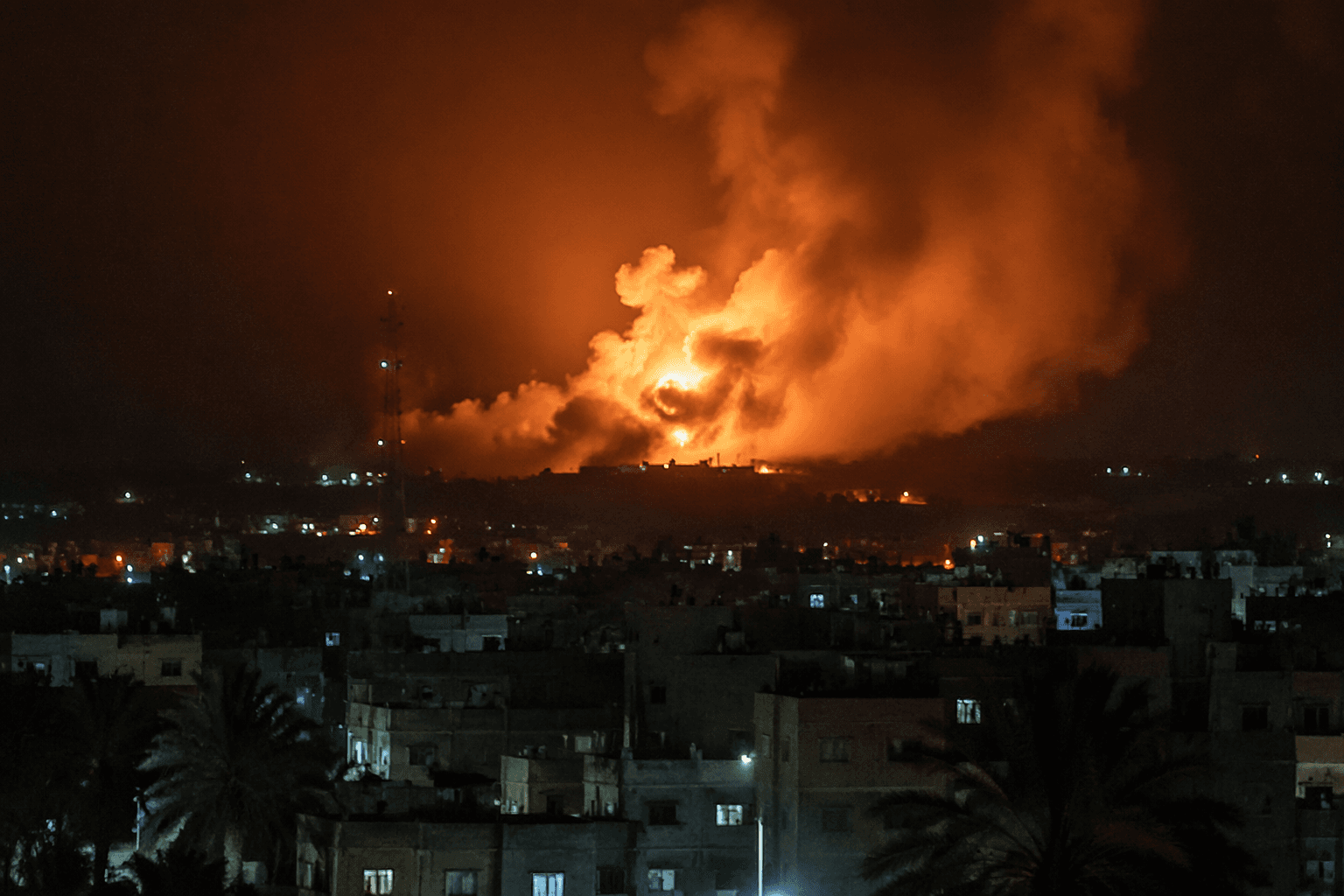
U.S. strikes in southern Iran on Monday hit missile launch sites and boats accused of placing mines, the second such action in three days and a sign that the cease-fire line is narrowing even as talks continued in Doha.
U.S. Central Command said the attacks were carried out in “self-defense” and were aimed “to protect our troops from threats posed by Iranian forces” while “using restraint during the ongoing ceasefire.” U.S. officials said the strikes came after 24 hours of missile, drone and small-boat launches by Iran’s Islamic Revolutionary Guard Corps near the Strait of Hormuz, and described the response as “very limited” and “very precise.”
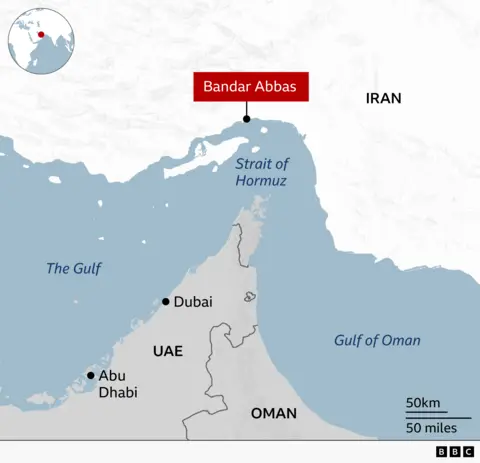
Iranian media reported explosions around Bandar Abbas, the port city on the Strait of Hormuz, and one Iranian outlet said four IRGC troops were killed on boats. The Iranian Foreign Ministry accused Washington of a “clear violation” of the cease-fire and warned it would not leave any act of aggression unanswered. The exchange raised the pressure on a truce that began on April 8 and has been repeatedly tested by military moves and competing claims of self-defense.
The timing was especially sensitive because the confrontation is unfolding around the Strait of Hormuz, a global energy chokepoint that has long carried outsized strategic risk. Even as the latest strikes landed, Secretary of State Marco Rubio said a deal could be finalized in “a couple of days” and said negotiators were down to disputes over “a word, a sentence.” Iranian negotiators were in Doha for the talks, underscoring how close diplomacy and force had become, with each side trying to preserve leverage without tipping into a broader war.
President Donald Trump has said negotiations were “proceeding nicely,” while also pressing Iran to hand over enriched uranium or destroy it under international supervision and tying any broader agreement to Arab states joining the Abraham Accords. That mix of diplomacy and coercion has kept the cease-fire from collapsing outright, but the repeated strikes have also begun to normalize a dangerous rhythm of attack, denial and retaliation. Each new round raises the odds that a tactical claim of self-defense becomes the opening to a wider conflict.
This article was produced by Prism’s automated news system from verified source data, official records, and press releases, then run through automated quality and moderation checks before publishing. The system is built and supervised by the people who set the standards it runs under. Read our full AI policy.
Know something we missed? Have a correction or additional information?
Submit a Tip