Trump says Iran talks are not satisfactory as U.S. strikes continue
Trump called Iran’s proposals “not satisfactory” even as U.S. forces shot down four drones and struck a Bandar Abbas control site. The gap between diplomacy and force widened over the Strait of Hormuz.
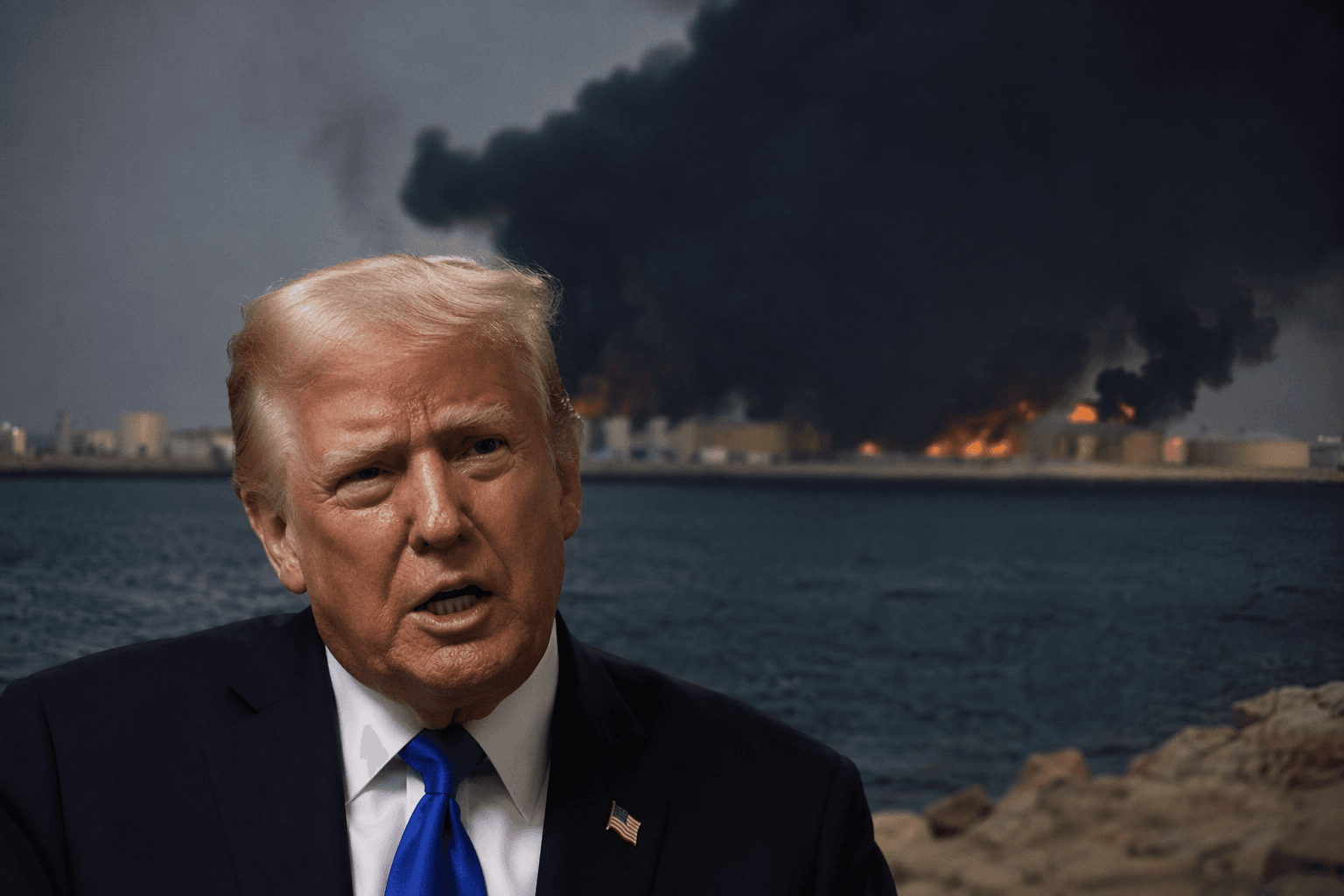
President Donald Trump sharpened his warning to Iran on Wednesday, saying he was “not satisfied” with Tehran’s proposals and suggesting the United States might need to “finish it” if talks collapsed. The remarks came as Trump also insisted the situation was going “very well,” even while cautioning he would not sign a “crummy” deal.
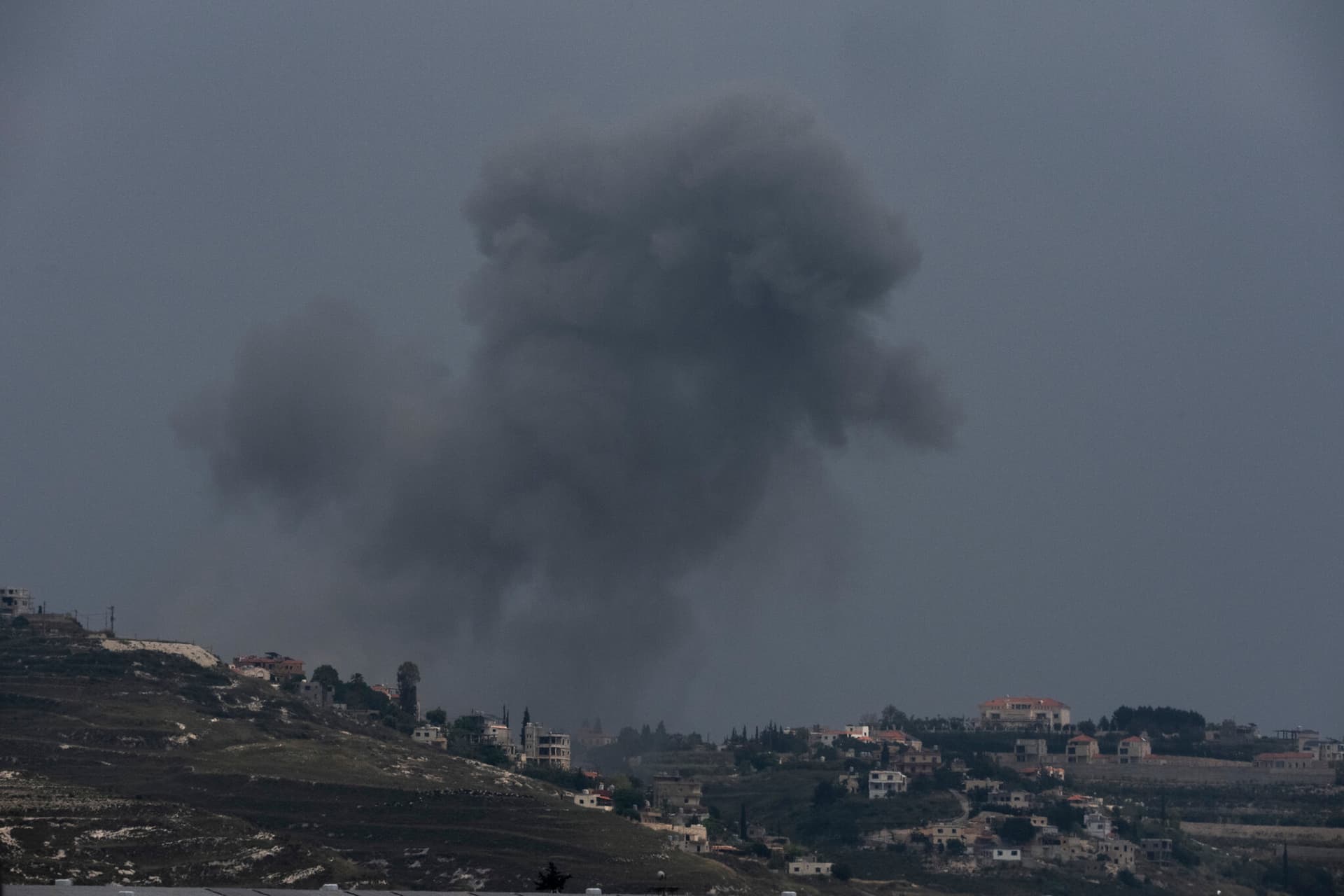
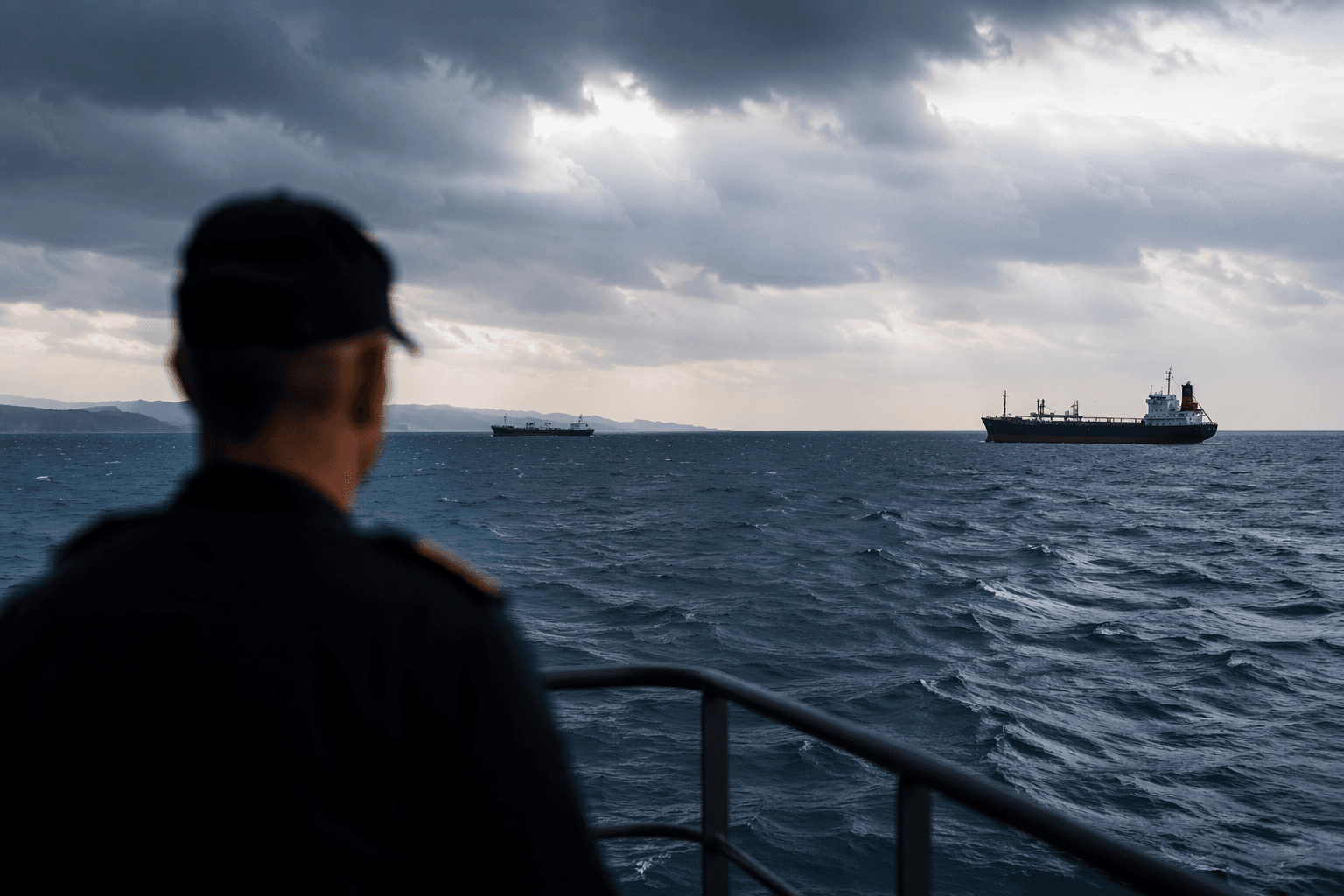
The mixed message landed alongside another round of U.S. strikes. A U.S. official said American forces shot down four Iranian drones and hit a ground control station in the port city of Bandar Abbas that was about to launch a fifth drone. The official said the drones posed a threat near the Strait of Hormuz, the narrow waterway that carries a large share of the world’s oil shipments, and said the ceasefire was still considered to be holding.
The latest strikes followed earlier U.S. action on Monday, when U.S. Central Command said it hit missile launch sites and Iranian boats that allegedly sought to lay mines. CENTCOM said those strikes were meant to protect U.S. troops from Iranian threats. Iran condemned the attacks as a “grave violation” of the ceasefire and vowed that it would not leave any act of hostility unanswered.
Trump’s public posture suggested both pressure and caution. Over the weekend, he said a peace deal had been “largely negotiated,” but by Wednesday he sounded less certain. A senior Trump administration official said Sunday that Iran had agreed in principle to a template for a deal, though formalizing and signing it could take several days.
The framework under discussion has appeared to move in stages. First, Iran would allow the Strait of Hormuz to reopen in exchange for the United States lifting its blockade on Iranian ports. After that, the two sides would negotiate how Iran would reduce its nuclear program. The main sticking point remains Iran’s stockpile of highly enriched uranium, which the Trump administration says Tehran should surrender rather than trade for sanctions relief.
That dispute sharpened further when Iranian state television reported a draft unofficial framework for a memorandum of understanding that would reopen commercial shipping through Hormuz to pre-war levels within a month. The White House immediately rejected the report as a “complete fabrication.” Trump separately said the strait must be open to everybody and warned Oman not to interfere, while an Iranian negotiator said Tehran would not announce any results until all concerns were resolved.
The widening gap between Trump’s talk of a possible deal and the military escalation on the ground has become the central test of his approach. The administration appears to be using force to strengthen bargaining leverage, but the continuing strikes and unresolved uranium issue also suggest a negotiation that could harden into a deeper confrontation if neither side accepts a sequenced compromise.
This article was produced by Prism’s automated news system from verified source data, official records, and press releases, then run through automated quality and moderation checks before publishing. The system is built and supervised by the people who set the standards it runs under. Read our full AI policy.
Know something we missed? Have a correction or additional information?
Submit a Tip