Iran says U.S. draft would reopen Strait of Hormuz, White House denies it
An unofficial Iran-U.S. draft would reopen the Strait of Hormuz within a month, but the White House called the report a complete fabrication.
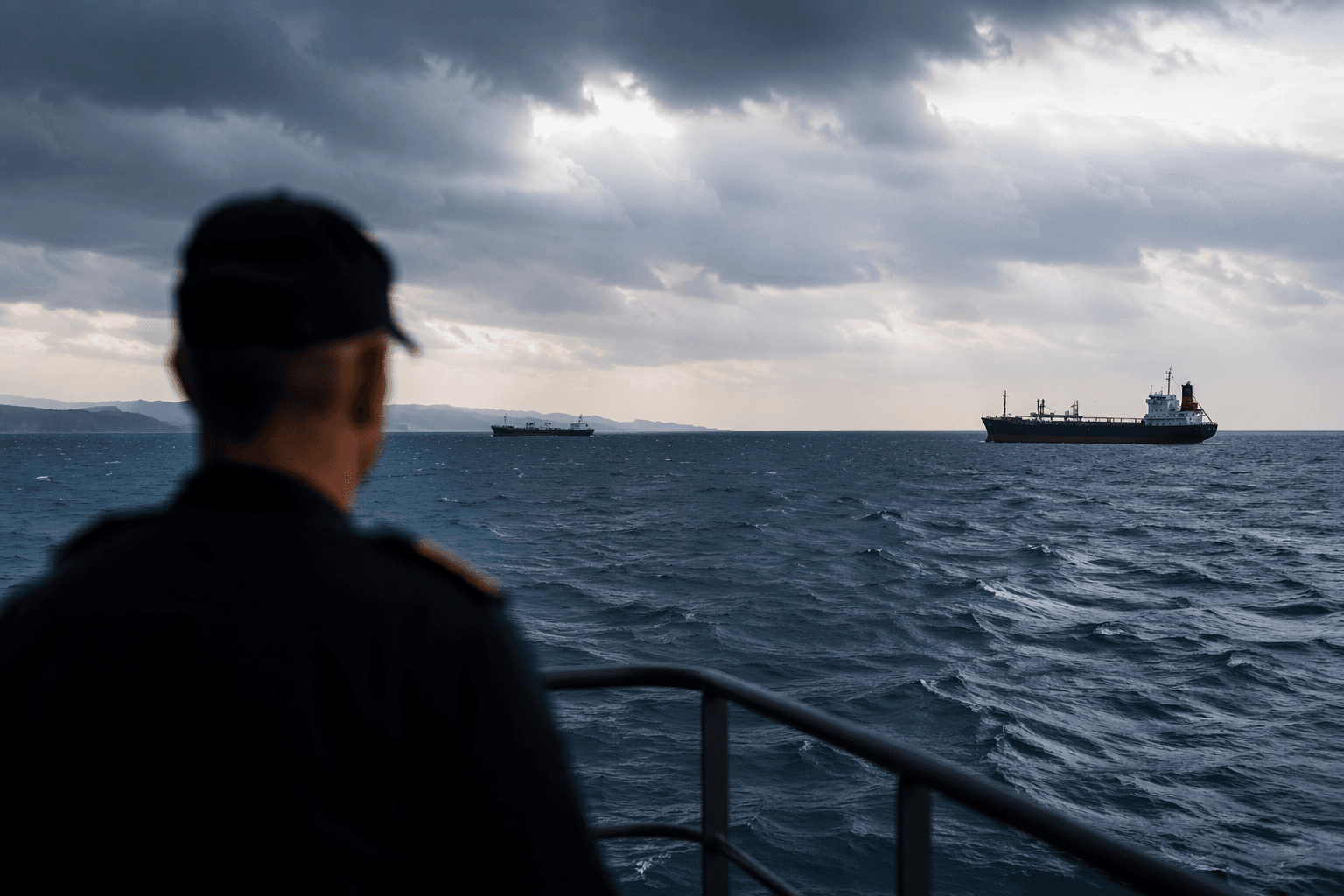
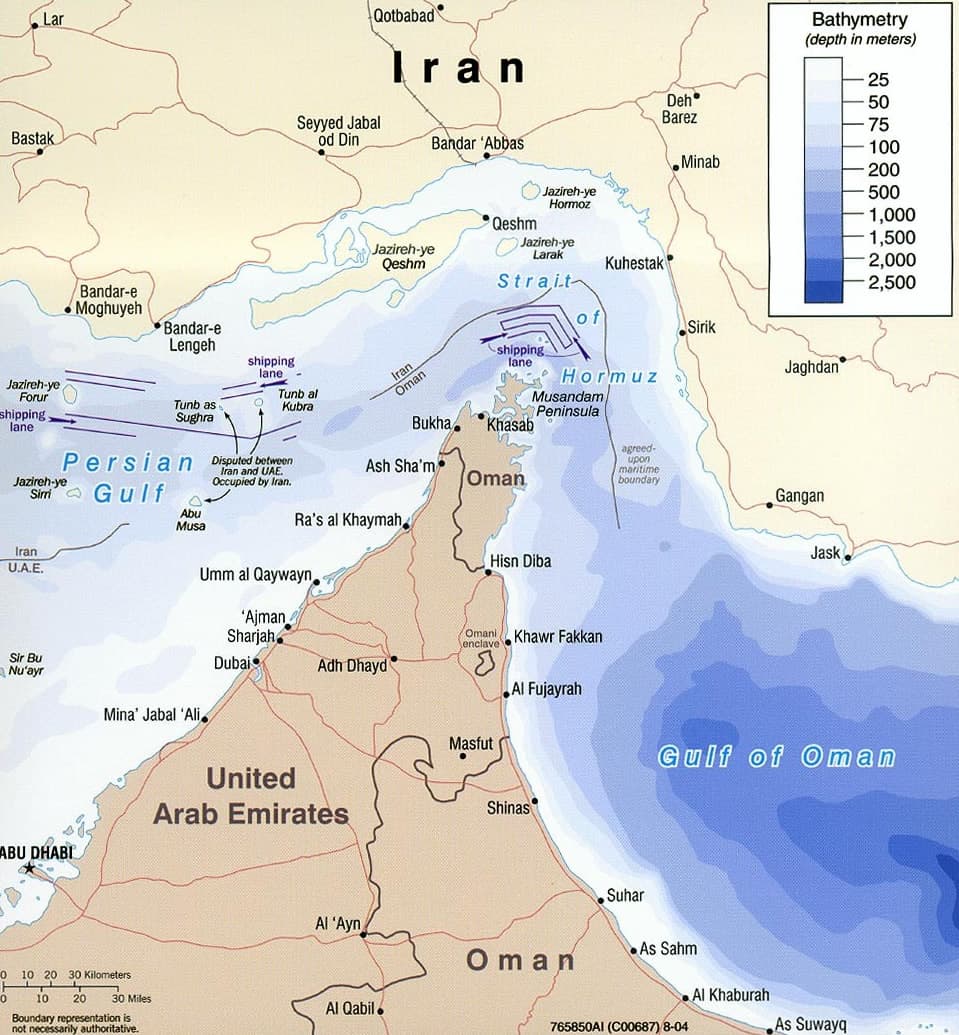
Iranian state TV said it had obtained a draft of an initial, unofficial framework for a memorandum of understanding with the United States, a claim that immediately collided with a flat denial from the White House. The outline described a deal centered on the Strait of Hormuz, the vital oil and shipping chokepoint that has become central to the negotiations.
Under the reported framework, Iran would restore commercial shipping through the strait to pre-war levels within a month. In return, the United States would withdraw military forces from Iran’s vicinity and lift a naval blockade. The draft also excluded military vessels from the arrangement and envisioned Iran managing ship traffic through the waterway in cooperation with Oman.
Tehran said it would take no steps without “tangible verification,” underscoring how tentative the proposal remained. The framework was described as unofficial and not yet finalized, but the details alone showed how quickly expectations around a possible breakthrough can move markets and diplomacy alike, especially when the dispute involves one of the world’s most important energy corridors.
The White House rejected the Iranian media account, calling it a “complete fabrication” and saying the memorandum of understanding described in the report was not true. President Donald Trump added a separate line of resistance on Wednesday, saying Iran would not receive sanctions relief in exchange for giving up its highly enriched uranium stockpile. He also said the two sides still had issues to resolve in peace talks.
The public split over the draft made the information battle as important as the substance. A leak suggesting a reopening of the Strait of Hormuz could shape shipping expectations, oil risk premiums and regional security assumptions long before any agreement exists. The sharper the gap between what Tehran says is on the table and what Washington is willing to admit, the more the talks become a contest over leverage, signaling and credibility as much as policy.
This article was produced by Prism’s automated news system from verified source data, official records, and press releases, then run through automated quality and moderation checks before publishing. The system is built and supervised by the people who set the standards it runs under. Read our full AI policy.
Know something we missed? Have a correction or additional information?
Submit a Tip