Australia sues 3M over PFAS contamination at defence bases
Australia launched a A$2 billion lawsuit against 3M over PFAS foam at 28 defence bases, escalating a cleanup bill already above A$1.3 billion.
Australia has filed its largest-ever legal claim, seeking more than A$2 billion from 3M over PFAS contamination tied to firefighting foam at 28 Defence bases across the country. The Commonwealth has commenced action in the Federal Court of Australia against 3M Australia Pty Ltd and 3M Company to recover significant past and future costs linked to the pollution.
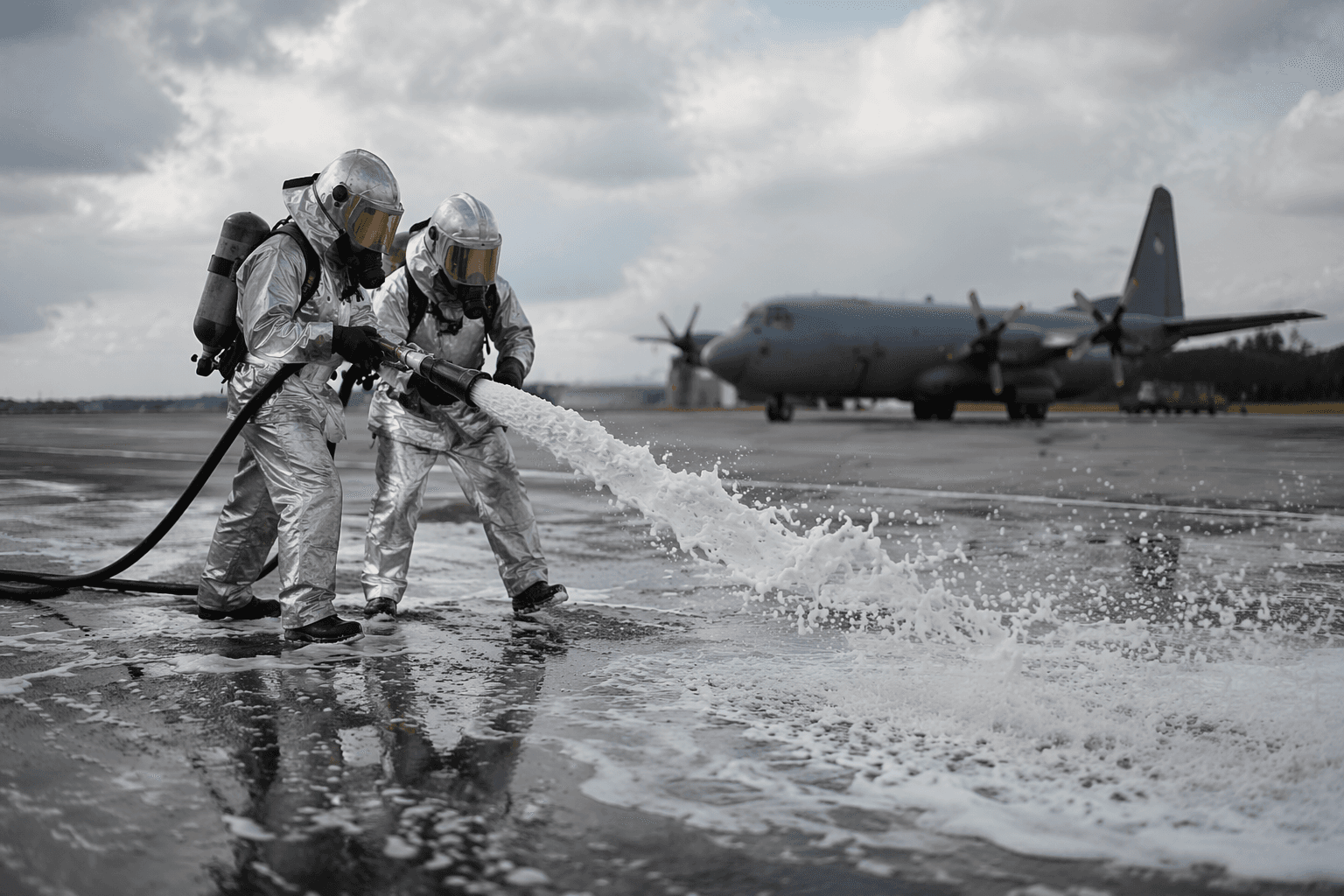
The case puts a hard number on a cleanup burden that has already climbed sharply. Defence says it has spent more than A$1.3 billion on its PFAS response, a figure that reflects years of investigation, management and remediation at military sites where the chemicals were used or stored historically. The government’s filing says the contamination came from legacy firefighting foam, known as aqueous film-forming foam, used at Defence bases across Australia.
At the centre of the claim are allegations that 3M withheld the results of its own testing showing significant adverse environmental effects and misrepresented the foam as safe to dispose of, biodegradable and non-toxic. Those allegations go to the heart of the PFAS liability fight now spreading across governments and manufacturers: who knew what, when they knew it, and who should pay for decades of environmental damage.
PFAS, often called forever chemicals because they persist in the environment, have become a costly test case for public institutions trying to clean up contaminated land and water. Research cited in reporting has linked PFAS exposure to liver damage, lower birth weight and testicular cancer, adding another layer of pressure to disputes over military-site remediation and industrial pollution. 3M said in 2022 that it would stop making and using PFAS, a move that underscored how far the company’s product line had become entangled with health and environmental concerns.
The Australian action is significant well beyond the bases named in the case. If the Commonwealth succeeds, the judgment could shape how other governments approach claims for contamination tied to defence facilities, and how manufacturers account for the long tail of chemicals once sold as safe, durable and indispensable. In Australia, as in the United States, PFAS has shifted from a technical contamination issue to a major question of public liability, cleanup cost and corporate accountability.
This article was produced by Prism’s automated news system from verified source data, official records, and press releases, then run through automated quality and moderation checks before publishing. The system is built and supervised by the people who set the standards it runs under. Read our full AI policy.
Know something we missed? Have a correction or additional information?
Submit a Tip