U.S. strikes Iranian positions as ceasefire talks continue
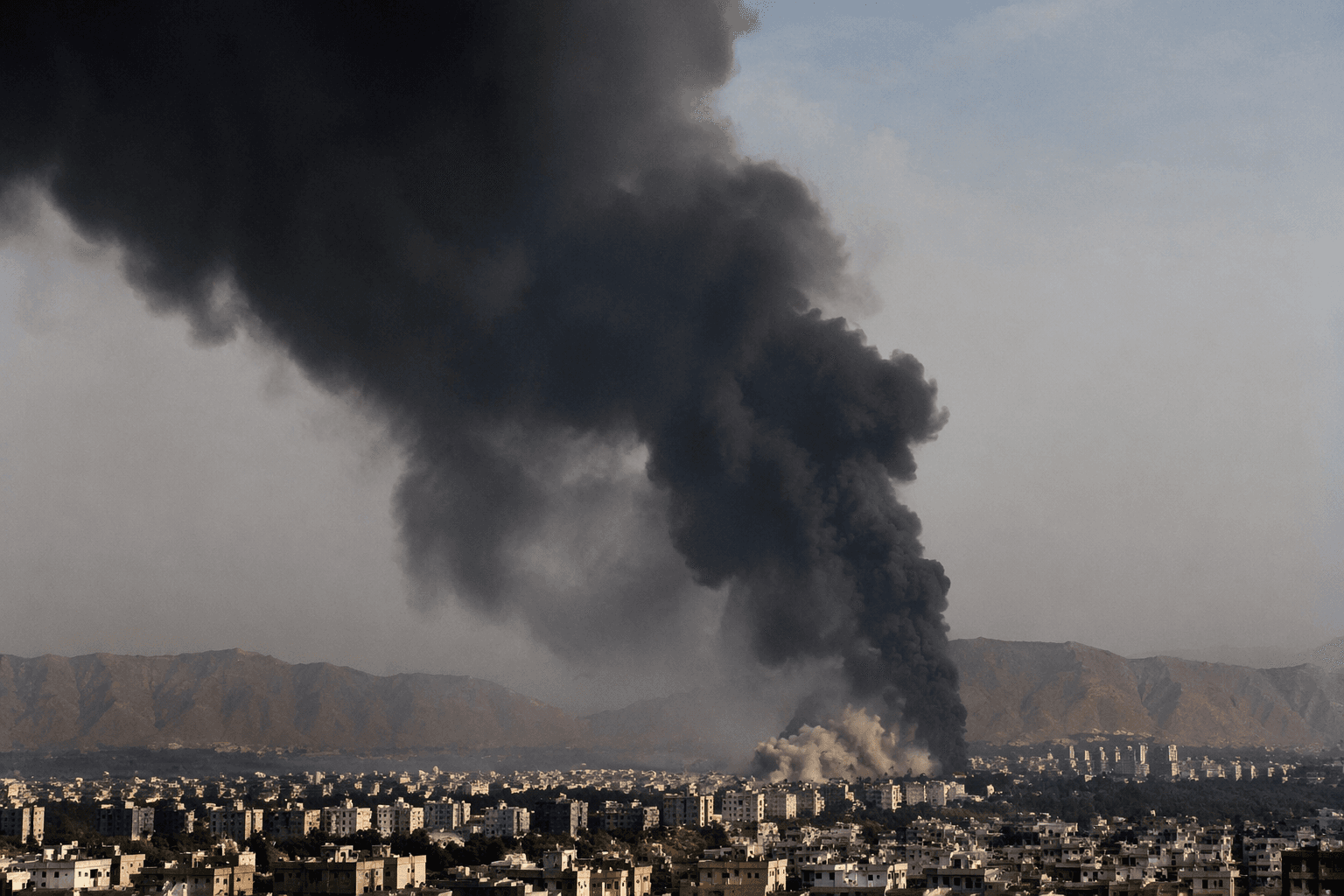
U.S. strikes hit southern Iran again as ceasefire talks dragged on, deepening doubts that diplomacy was staying ahead of the battlefield.
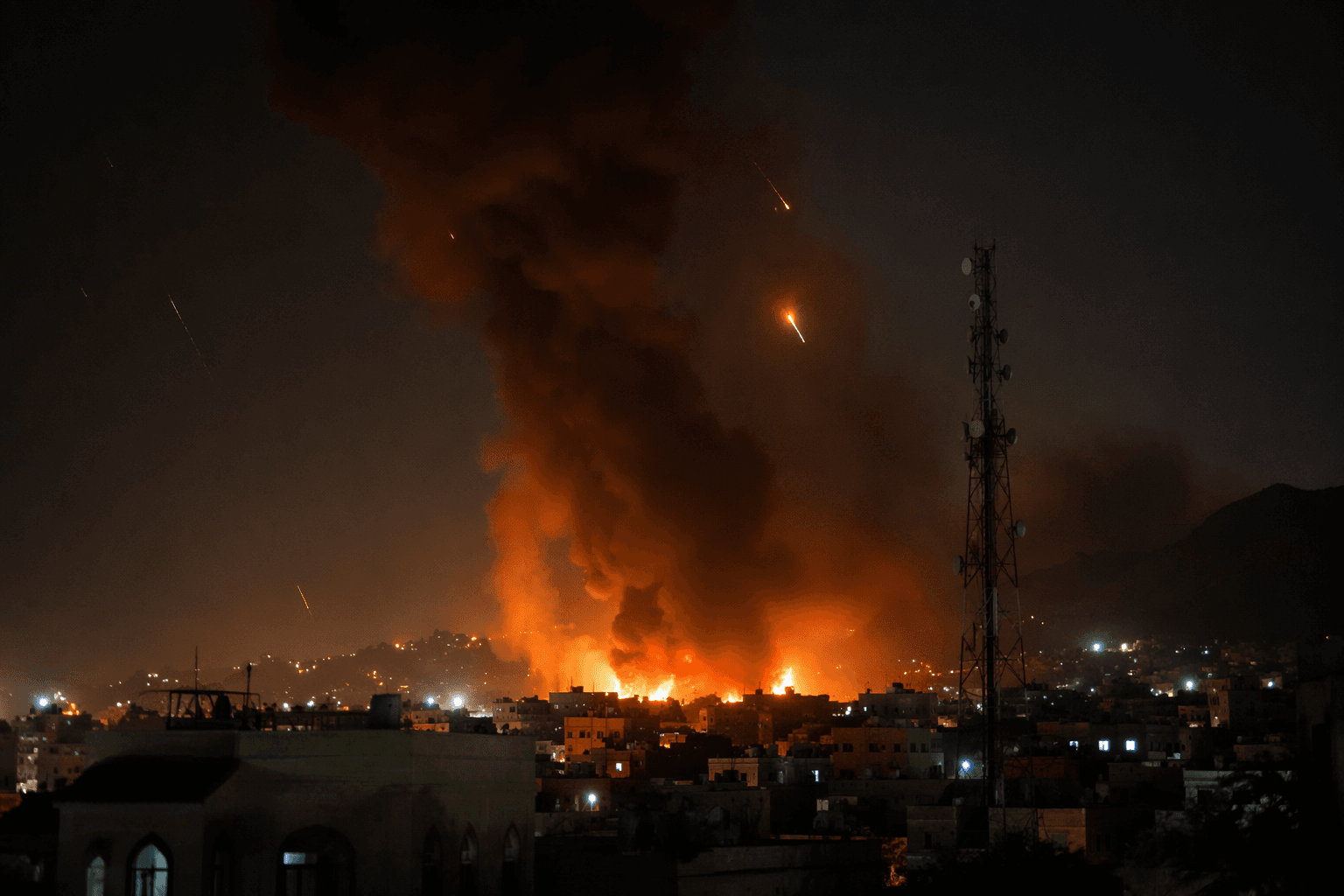
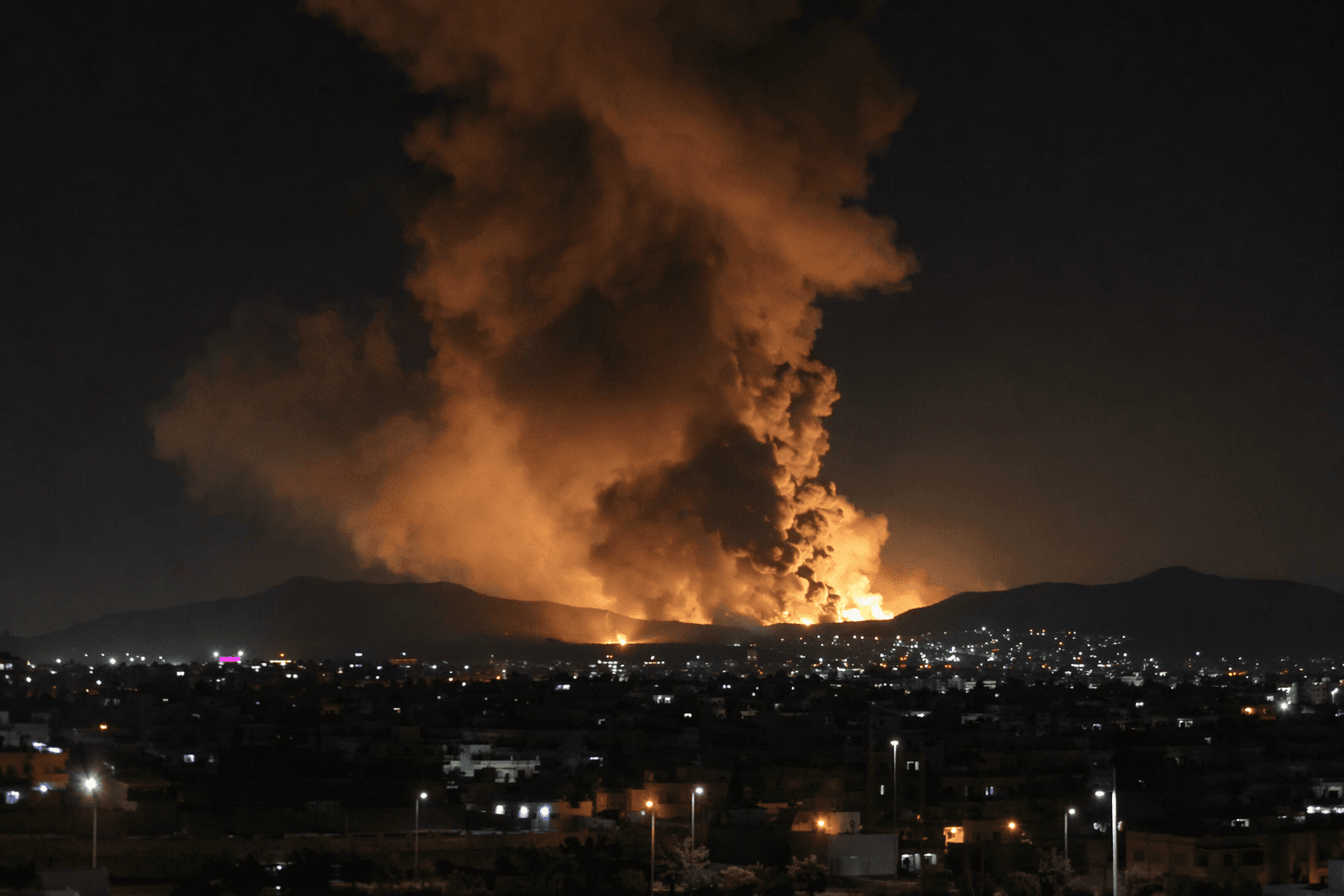
American forces struck Iranian boats and missile launch sites in southern Iran on May 25, even as Donald Trump said negotiations with Tehran were “proceeding nicely.” The renewed action, which U.S. Central Command described as self-defense after Iranian boats were said to be attempting to place mines, added fresh pressure to a ceasefire already under strain from repeated attacks and fragile talks.
The ceasefire was announced on April 8 after 40 days of U.S.-Israeli attacks on Iran and was brokered by Pakistan. What began as a two-week truce was later extended, but the latest strikes, including explosions reported near Bandar Abbas and along the Strait of Hormuz, suggested the battlefield had not settled even as diplomats kept meeting.
Marco Rubio said the United States would “give diplomacy every chance to succeed before we explore the alternatives,” underscoring the public push to keep talks alive. Iranian officials have responded more cautiously, saying progress has been made on many issues while stressing that no final deal is imminent. They have pointed to shifting and sometimes contradictory U.S. positions as one reason the talks remain unfinished.
The core disputes remain the same ones that have shadowed the ceasefire from the start: freedom of navigation through the Strait of Hormuz, Iran’s nuclear and ballistic missile programs, sanctions relief, reconstruction, and the handling of Iran’s enriched uranium stockpile. Pakistani officials have continued to mediate the process, while Iranian representatives have been in Qatar for discussions tied to the broader effort to end the nearly three-month war and reopen the waterway.
That waterway remains the central strategic fault line. House of Commons Library researchers said the conflict that began on February 28, 2026, when Israel and the United States launched strikes on Iranian military, government, and infrastructure sites, killed Iran’s Supreme Leader Ali Khamenei and triggered counter-strikes against Israeli territory, U.S. bases, and sites in other Arab states. They also said Iran’s closure of the Strait of Hormuz threatened one of the world’s most important routes for oil and gas.
The market has already reacted to signs of movement. Oil prices fell about 4% after Iranian state TV said it had seen a draft framework for an agreement to reopen Hormuz. But with repeated U.S. strikes landing while talks continue, the ceasefire now looks less like a settled pause than a test of whether diplomacy can keep pace with events on the ground.
This article was produced by Prism’s automated news system from verified source data, official records, and press releases, then run through automated quality and moderation checks before publishing. The system is built and supervised by the people who set the standards it runs under. Read our full AI policy.
Know something we missed? Have a correction or additional information?
Submit a Tip