US launches second strike on Iran in three days amid Hormuz tensions
U.S. strikes hit Iranian military targets again, deepening the Hormuz standoff and narrowing the path back to talks.
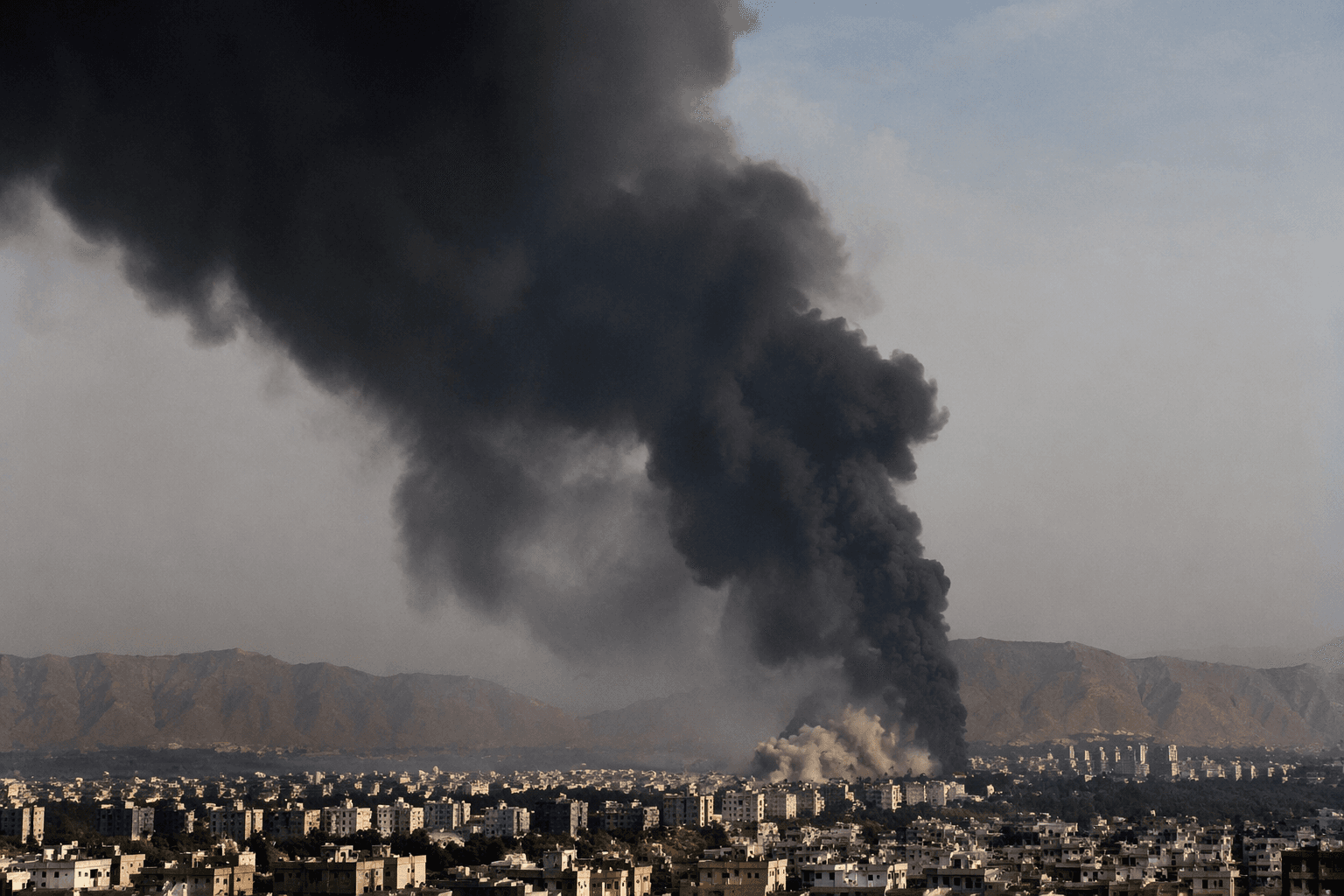
The U.S. military launched a second strike in three days on Iranian military targets in southern Iran, a sign that the confrontation around the Strait of Hormuz is moving faster than the diplomacy meant to contain it. U.S. officials described the attacks as “measured” and “purely defensive,” saying the immediate aim was to protect U.S. forces and keep commercial shipping moving through the chokepoint.
ABC News said the latest operation was the second time in three days that Washington carried out self-defense strikes against Iranian targets in southern Iran. The timing matters as much as the target set: each new strike raises the odds of an Iranian response, whether against U.S. assets, allied shipping, or nearby bases, and each response would further compress the room for any ceasefire arrangement to hold.
The White House has said it wanted to maintain the ceasefire even as the strikes continued, but the broader bargaining track remained unresolved. Reuters and Bloomberg reported that the new attacks landed while talks over a wider arrangement were still open-ended, underscoring how fragile the action-reaction cycle has become. The risk is not just another exchange of fire; it is a widening regional spillover that could pull in U.S. allies, commercial operators, and military facilities across the Gulf.
The strategic center of gravity is the Strait of Hormuz, one of the world’s most critical maritime corridors. The State Department said Iran had threatened to close the strait, attack ships there, lay sea mines, and impose tolls, while CENTCOM said it began supporting “Project Freedom” on May 4 to restore freedom of navigation for commercial shipping. Brad Cooper said U.S. forces were using a broad defensive posture that included guided-missile destroyers, more than 100 land- and sea-based aircraft, multi-domain unmanned platforms, and 15,000 service members.
That military buildup has already had measurable effects. CENTCOM said by May 23 that U.S. forces had redirected 100 commercial vessels, disabled four, and allowed 26 humanitarian aid ships to pass under a blockade effort that began April 13. Washington has paired the military posture with financial pressure as well, announcing sanctions on Iranian currency exchange houses, front companies, personnel, and 19 vessels on May 19, after earlier moves on May 1 aimed at Iran’s oil trade.
The picture now is one of escalation management under strain. The second strike is not just another tactical move. It is evidence that the cycle is quickening, the stakes around Hormuz are rising, and every new salvo makes a return to diplomacy more difficult to reach.
This article was produced by Prism’s automated news system from verified source data, official records, and press releases, then run through automated quality and moderation checks before publishing. The system is built and supervised by the people who set the standards it runs under. Read our full AI policy.
Know something we missed? Have a correction or additional information?
Submit a Tip