Pope Leo XIV apologizes for church role in slavery, warns on AI
Pope Leo XIV tied a blunt apology for slavery to his first encyclical on AI, turning a moral reckoning into a test of church accountability.
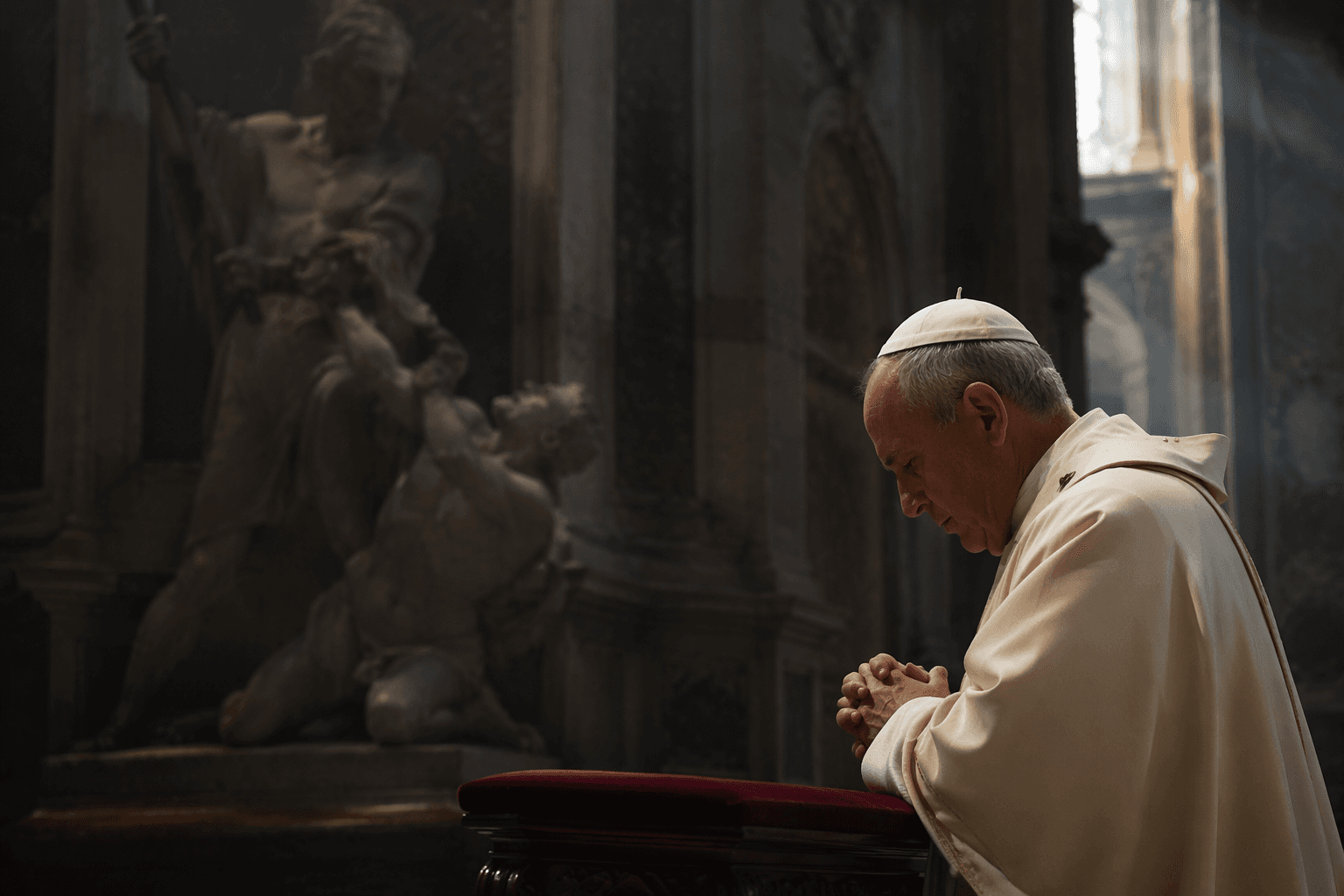
Pope Leo XIV used his first encyclical to do what no pope had done before: directly apologize for the Holy See’s role in legitimizing slavery and for centuries of silence around it. He called that record a “wound in Christian memory,” making the apology more than a gesture of remorse and putting institutional accountability at the center of his pontificate.
The document, Magnifica Humanitas, was signed on May 15, 2026, the 135th anniversary of Leo XIII’s Rerum Novarum, announced by the Vatican on May 18, and formally presented and promulgated in the Synod Hall on May 25. Framed as a text on safeguarding the human person in the time of artificial intelligence, it linked an old failure of the church to a new threat: a digital economy that can concentrate power, exploit labor, and strip people of agency.
That connection gave the apology its force. The Vatican’s text warned of “breaking the chains of new forms of slavery,” and said AI and digital power can monopolize expertise, data, decision-making, visibility, and economic opportunity. Leo also drew a parallel between historic bondage and what he described as “digital colonialism,” including exploitative labor tied to the extraction of minerals needed for AI hardware. In his telling, the moral problem is not only machines replacing workers, but systems that turn people into inputs for someone else’s wealth and control.
The distinction from earlier papal statements was significant. John Paul II had asked forgiveness in Cameroon in 1985 for Christians who participated in the trans-Atlantic slave trade, and later popes denounced modern slavery and trafficking. But Leo’s apology went further by confronting the Holy See’s own role in granting European rulers authority to enslave people they labeled infidels. That is the difference between lamenting abuse committed by Catholics and confronting the church’s own legal and theological complicity.
Reaction from Ghana’s government, which praised the apology as an act of moral courage and a contribution to historical truth, suggested why the moment mattered beyond Vatican walls. Leo, the first U.S.-born pope, also brought personal weight to the issue: his family history includes both enslaved people and slave owners.
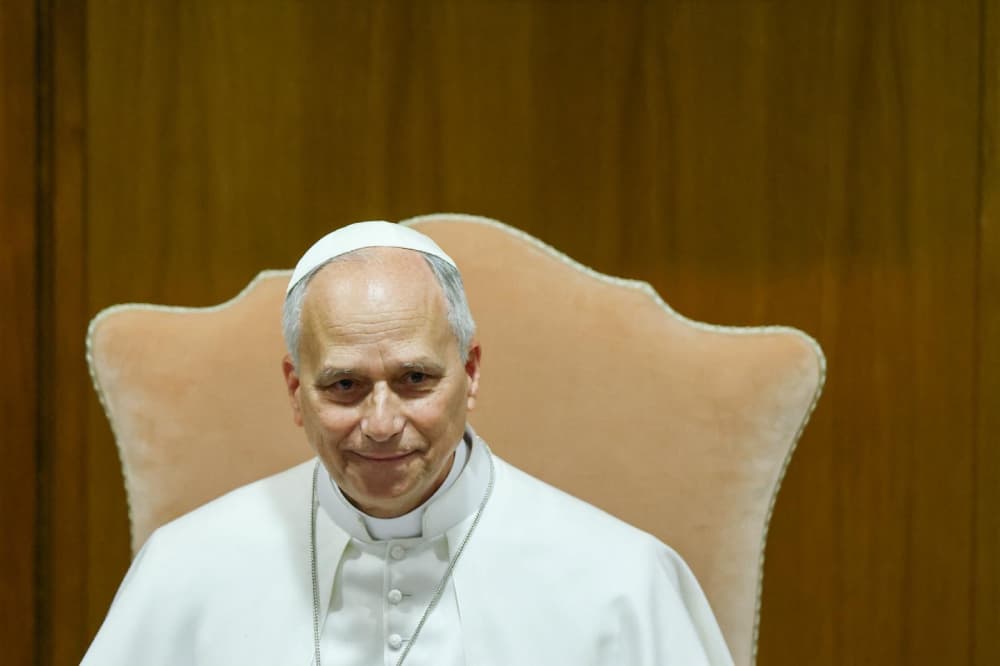
The real test now is whether the Vatican opens archives, supports reparative action, and changes the institutions that descendants and historians have long said must be examined. Without that, the apology risks remaining symbolic. With it, Magnifica Humanitas could mark a rare moment when confession becomes policy.
This article was produced by Prism’s automated news system from verified source data, official records, and press releases, then run through automated quality and moderation checks before publishing. The system is built and supervised by the people who set the standards it runs under. Read our full AI policy.
Know something we missed? Have a correction or additional information?
Submit a Tip