Norway joins France's push for a new European nuclear shield
Norway moved into France’s nuclear orbit, joining a nine-country process and signing a mutual defence pact that reaches from the Arctic to NATO planning.
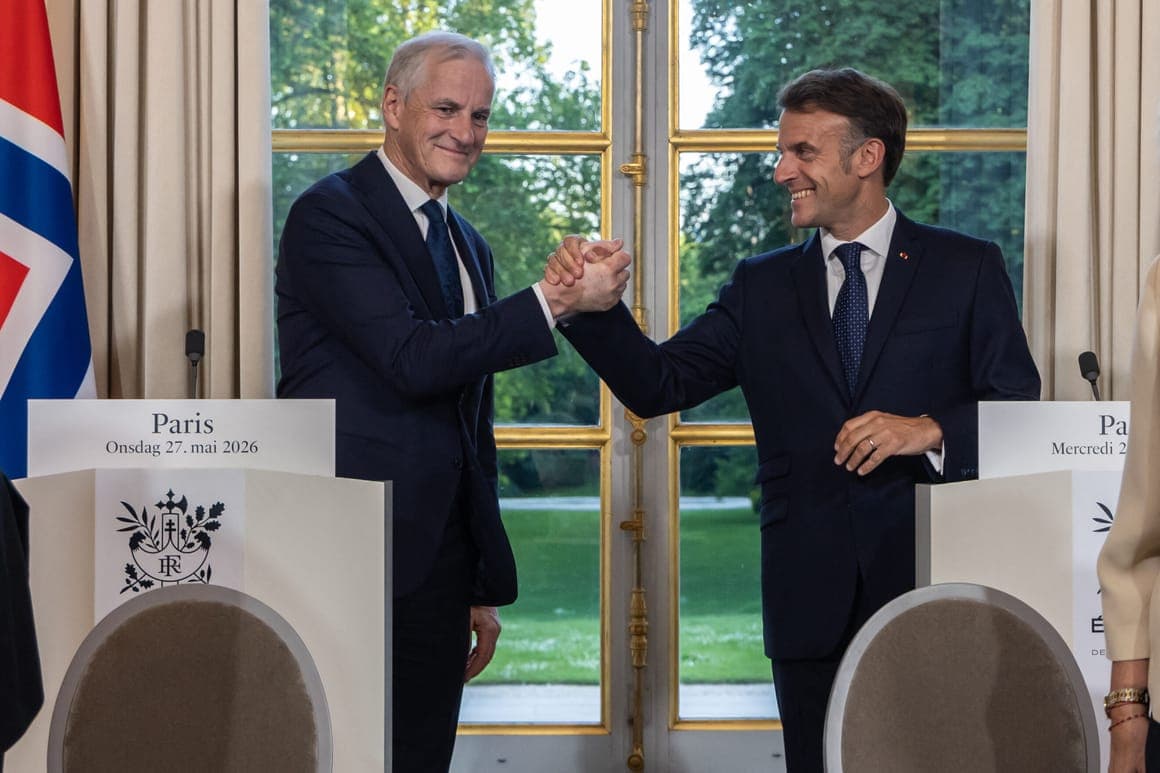
Norway took a decisive step toward France’s emerging nuclear-deterrence framework, joining nine other European countries in a process to determine how French nuclear weapons could contribute to Europe’s security. The move signaled more than another diplomatic alignment: it showed a frontline NATO state preparing for a security model that leans less exclusively on Washington and more on European firepower.
In Paris, Norwegian Prime Minister Jonas Gahr Støre stood alongside Emmanuel Macron and said Norway would take part in the French initiative, while stressing that Oslo would continue to rely primarily on NATO for its security. Støre also told Reuters and NTB that no nuclear weapons would be deployed on Norwegian soil in peacetime, underscoring how carefully Oslo is trying to balance closer cooperation with Paris against long-standing political sensitivities at home.
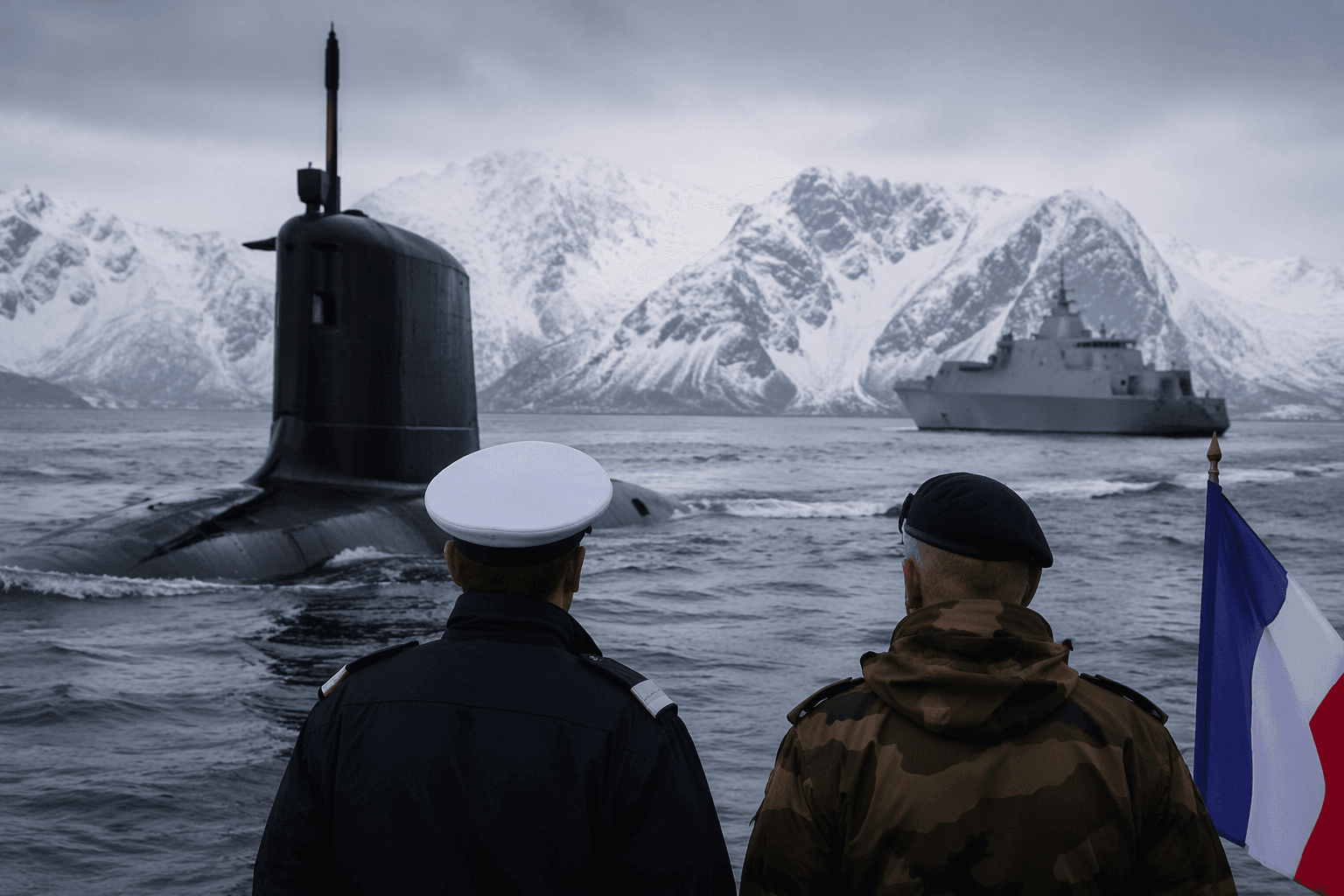
The shift matters because Norway sits directly on Europe’s northern edge, near the High North, where Støre said Russia’s largest nuclear arsenal is located. For NATO planners, that makes Norway more than a symbolic partner. A deeper Norwegian role in French deterrence thinking could affect Arctic planning, air-defense coordination and how allied forces prepare for a crisis along the alliance’s northern flank.
Paris has been building this network for months. France had already opened talks with Germany, Poland, Greece, the Netherlands, Belgium, Denmark and Sweden, and highly classified discussions were underway on the scope of cooperation. Those talks could include joint nuclear drills, information sharing and, eventually, the temporary deployment of French nuclear-capable Rafale fighter jets in allied countries under what Paris calls forward nuclear deterrence. Macron’s March 2 doctrine speech said French vital interests have a European dimension and that allies could participate in deterrence exercises, signaling and conventional support, while the final nuclear decision would remain exclusively with the French president.
On the same day as the Paris meeting, Norway and France signed the Narvik Agreement, a broader defence and security pact named for the wartime alliance between the two countries at Narvik. Norway’s government said it includes a mutual defence clause, closer military dialogue, cooperation on air defense, space and Arctic security, and concrete structures, plans, exercises and prepositioning of equipment. It also covers hybrid warfare, maritime security, space cooperation, cybersecurity, support to Ukraine and defence industrial cooperation.
The timing suggests a broader European calculation. France and Sweden held their first Nuclear Steering Group meeting in Paris on April 23, and Sweden said a roadmap had been established. With the war in Ukraine grinding on and confidence in a long-term American umbrella less certain, Norway’s alignment with France points to a Europe that is quietly building its own deterrent weight, one partner at a time.
This article was produced by Prism’s automated news system from verified source data, official records, and press releases, then run through automated quality and moderation checks before publishing. The system is built and supervised by the people who set the standards it runs under. Read our full AI policy.
Know something we missed? Have a correction or additional information?
Submit a Tip