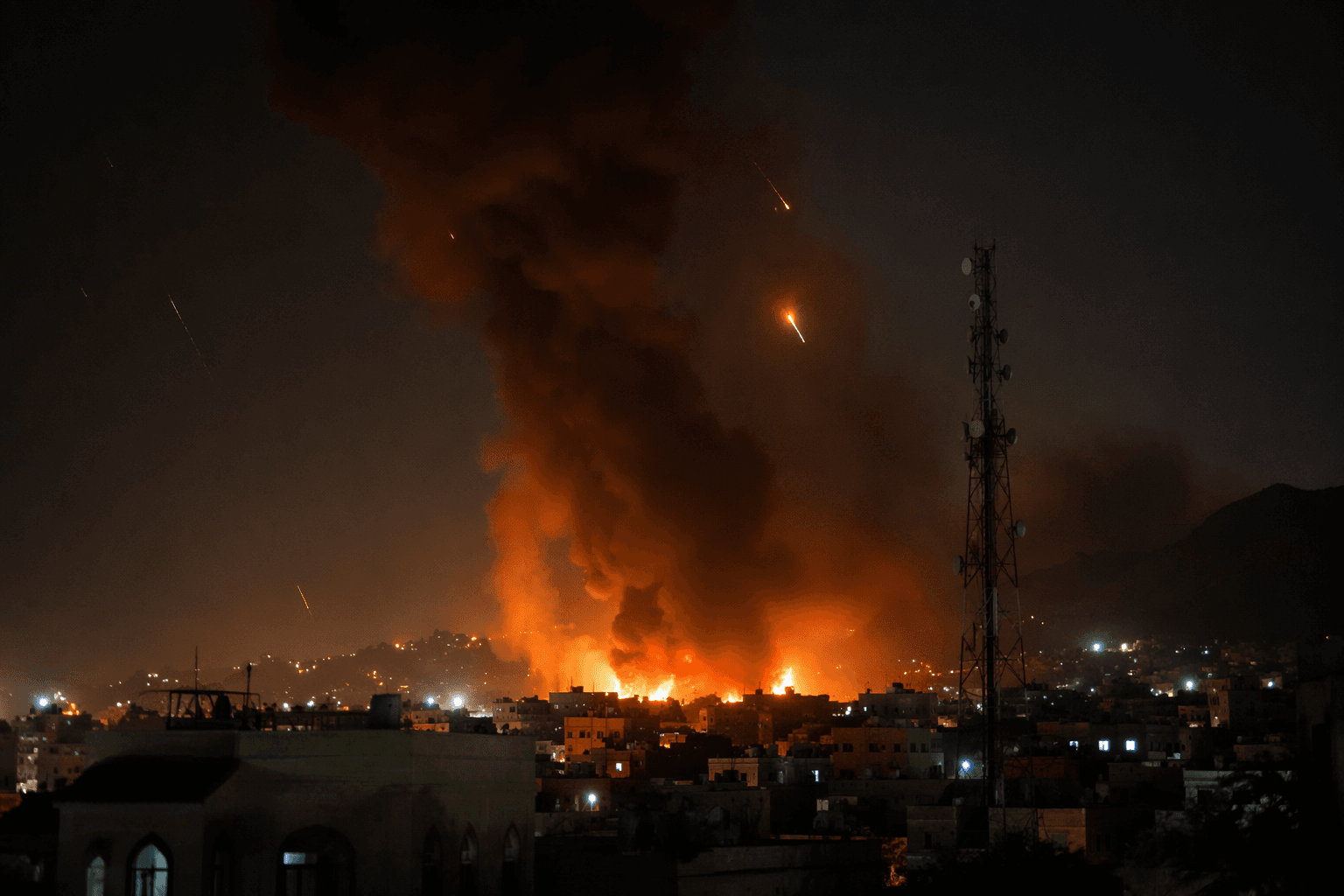
U.S. shoots down Iranian drones, strikes launch site near Strait of Hormuz
U.S. forces downed four Iranian drones and hit a control station in Bandar Abbas, crossing into direct action inside Iran near the Strait of Hormuz.
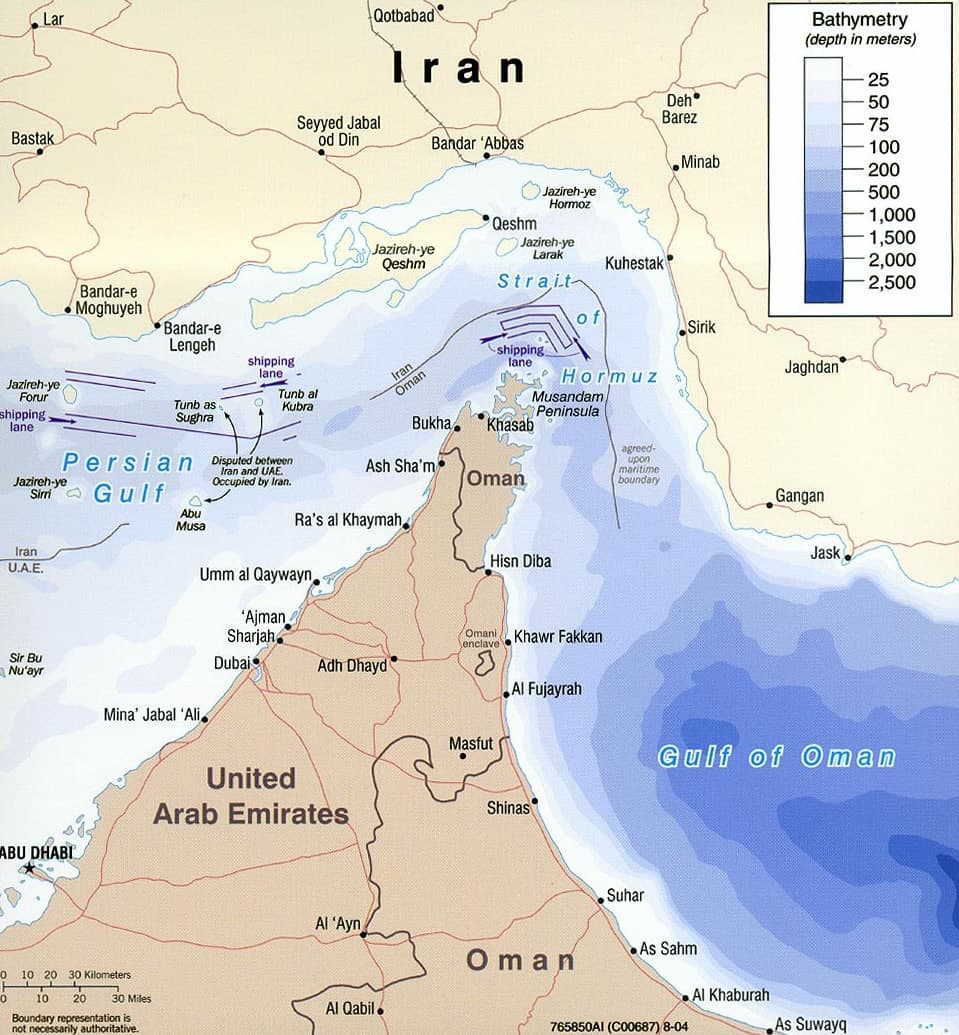
U.S. forces crossed a new threshold near the Strait of Hormuz, shooting down four Iranian one-way attack drones and striking a ground control station inside Iran that officials said was preparing to launch a fifth. The operation put American firepower directly inside Iranian territory at a moment when every move around the narrow waterway is being watched for signs of wider escalation.
U.S. Central Command said the action was defensive and aimed at protecting U.S. forces and commercial shipping. The drones were described as posing a threat near the Strait of Hormuz, one of the world’s most sensitive energy chokepoints, where any disruption can ripple quickly through oil markets and shipping routes. The ground control station was in Bandar Abbas, the southern Iranian port city overlooking the strait, and officials said it was about to send up a fifth drone when it was hit.
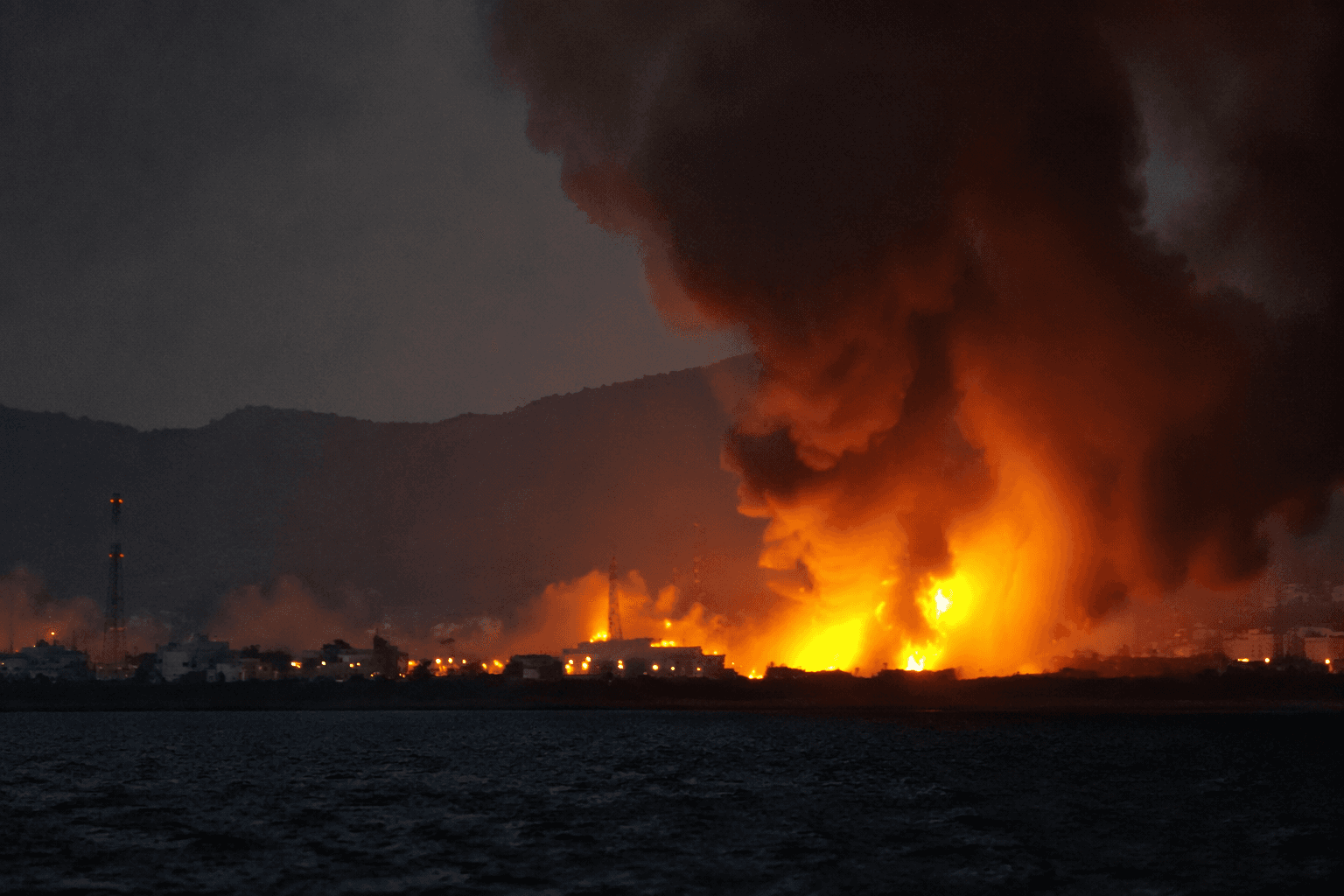
The timing, Wednesday, May 27, 2026, mattered as much as the target. The strikes came amid a fragile ceasefire and a broader cycle of U.S.-Iran tensions that had stretched on for nearly three months, with both militaries and commercial vessels operating under heightened risk. By striking a launch site inside Iran rather than only intercepting drones in flight, the U.S. signaled it was willing to act before an attack fully materialized if American forces or shipping were judged to be in the path.
Iran’s response underscored how quickly the exchange could widen. The Islamic Revolutionary Guard Corps warned that any repeat of what it called aggression would bring a more decisive answer, and Reuters reported that the IRGC said it targeted a U.S. airbase in retaliation. That combination of warning and counterstrike suggests the confrontation has moved beyond isolated drone interceptions into a more dangerous contest of deterrence.
What to watch next is whether the U.S. limits itself to defensive interdiction or expands to additional launch infrastructure, command sites, or other assets tied to drone operations near Bandar Abbas and the Strait of Hormuz. Any repeat strike on Iranian soil, or any confirmed attack on a U.S. base, would point to a broader shift in how both sides intend to enforce red lines.
This article was produced by Prism’s automated news system from verified source data, official records, and press releases, then run through automated quality and moderation checks before publishing. The system is built and supervised by the people who set the standards it runs under. Read our full AI policy.
Know something we missed? Have a correction or additional information?
Submit a Tip