Israel intensifies Hezbollah strikes across Lebanon as ceasefire strains
Airstrikes and evacuation orders kept southern Lebanon on edge as Israel hit Hezbollah targets in more than 120 attacks and vowed to widen the campaign.
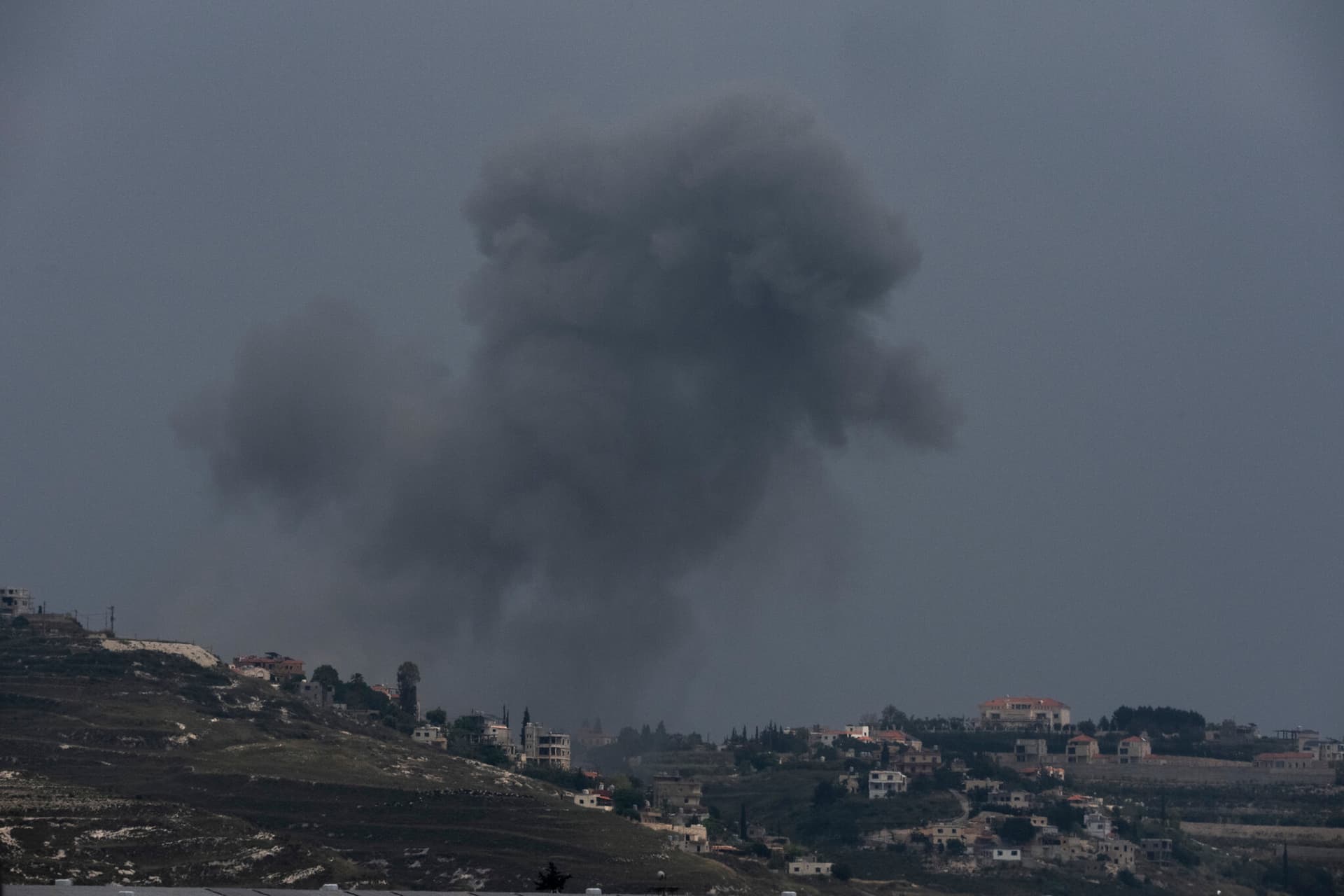
In southern Lebanon, the ceasefire has existed mostly on paper. Residents watched Israeli warplanes overhead while daily life was narrowed by fear, displacement and sudden evacuation warnings, even as shelters and makeshift encampments filled with families forced from their homes.
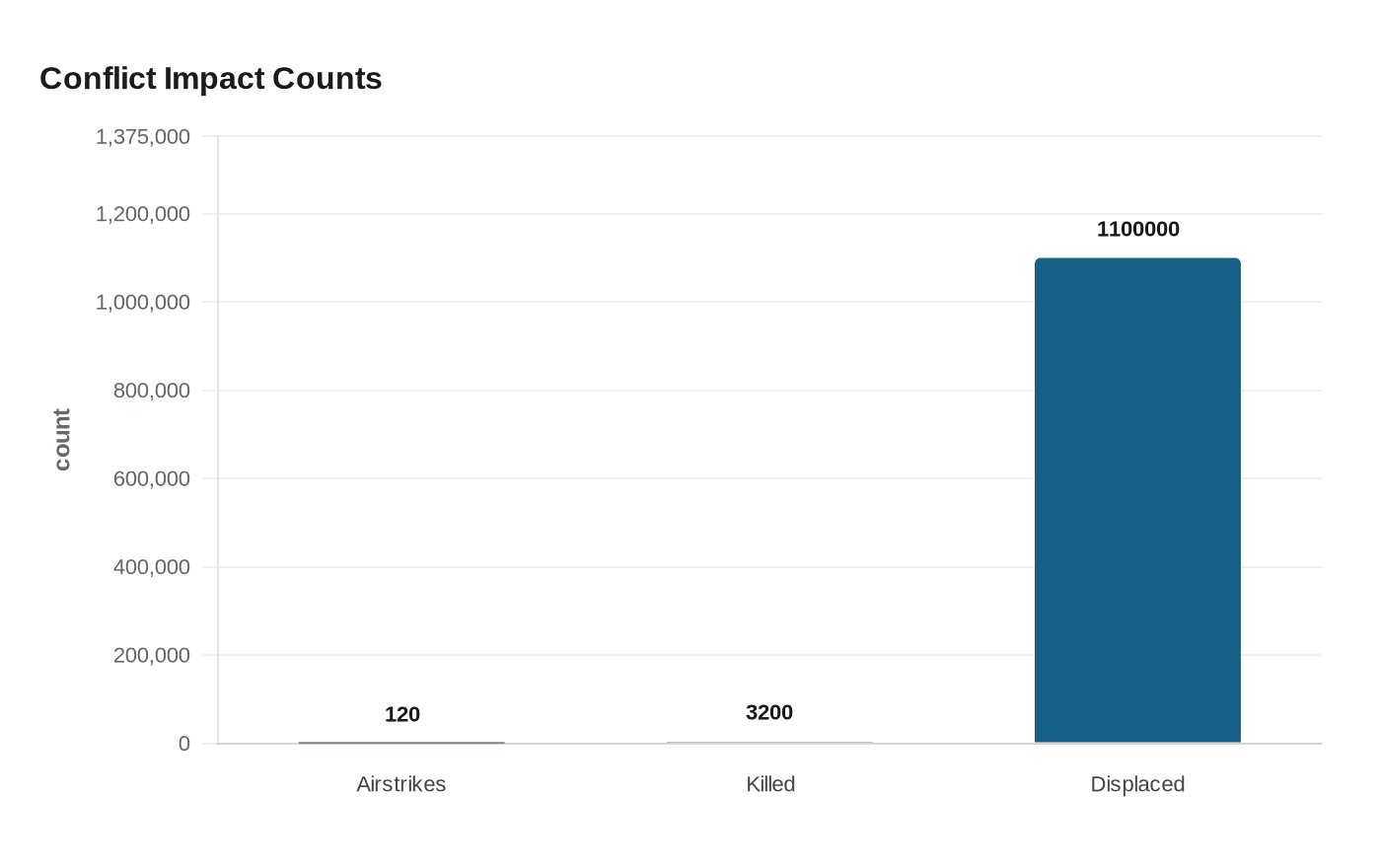
Israel intensified its campaign against Hezbollah in recent days, striking targets across Lebanon and deepening operations on the ground in the south. Netanyahu said the military would escalate further, and on May 26 Israel carried out more than 120 airstrikes in one of the heaviest days of bombing in weeks. The strikes came as the Israeli army ordered residents in some villages to leave before attacks, a pattern that has turned large parts of the border region into a zone of permanent uncertainty.
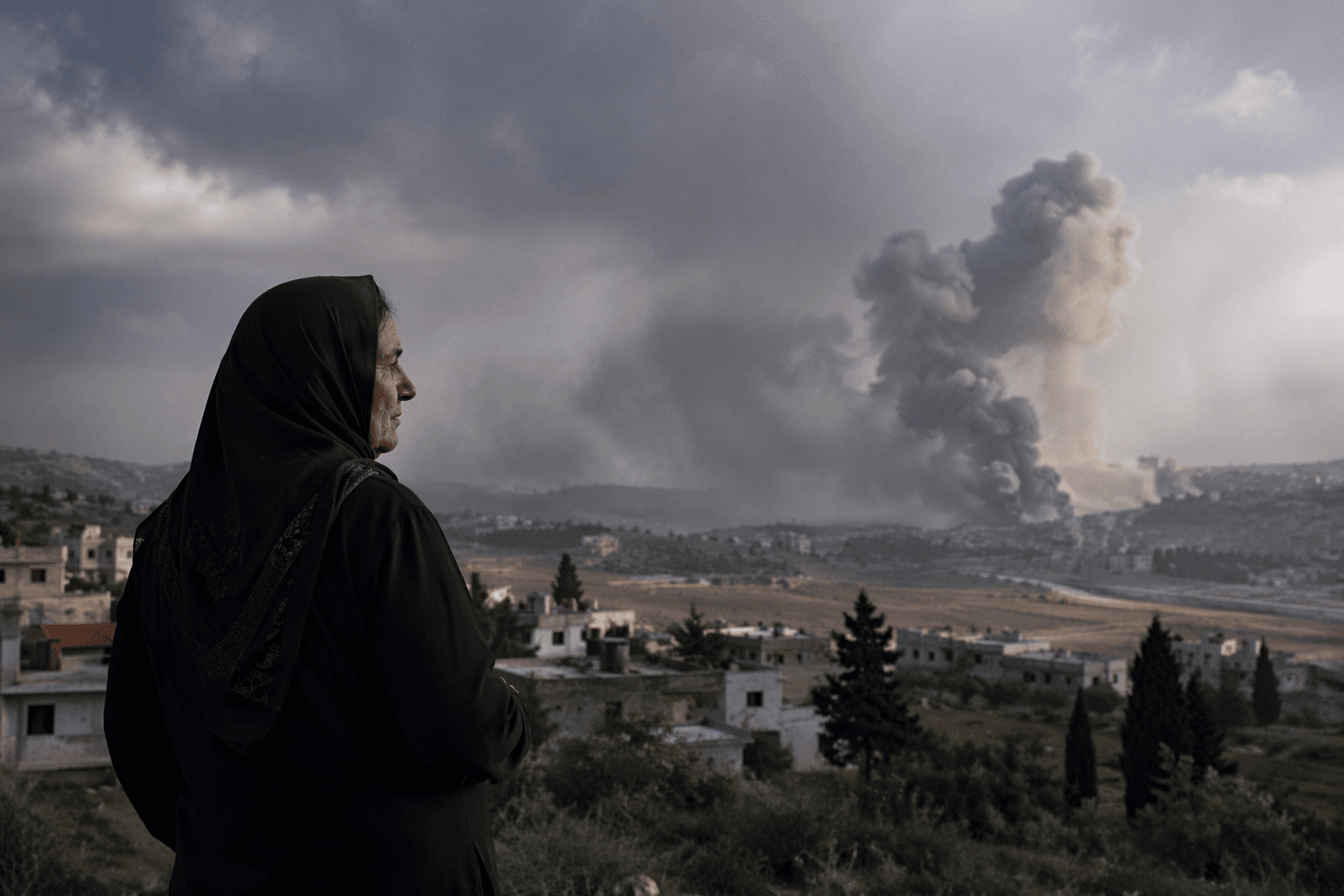
The conflict began on March 2, 2026, after Hezbollah launched missiles and drones at northern Israel, triggering Israeli air strikes across Lebanon. Since then, Lebanon’s health ministry has reported more than 3,200 people killed and thousands wounded. By mid-May, more than 1.1 million people had been displaced, according to the Ministry of Social Affairs, underscoring the scale of the humanitarian crisis now stretching from Beirut to Nabatiyeh and beyond.
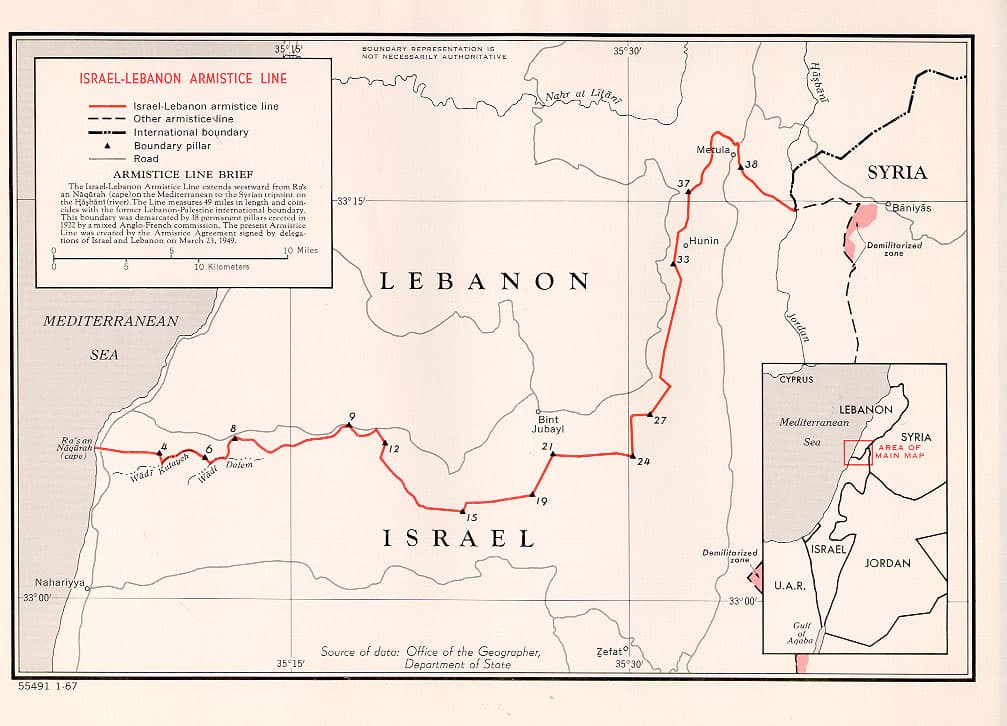
The fighting has also pushed farther south and deeper into Lebanon’s military geography. Israeli troops crossed the Litani River and expanded ground operations beyond the so-called yellow line, the security zone long treated as a reference point for limiting hostilities in southern Lebanon. That advance has raised the risk that what began as an exchange of fire could evolve into a wider confrontation involving Hezbollah, Israel and Iran-backed forces across the region.
Washington has added pressure of its own. On May 24, Secretary of State Marco Rubio condemned Hezbollah’s reckless call to overthrow Lebanon’s government, and a U.S. official said the group had ignored repeated warnings to stop firing at Israel. The escalation has also complicated Lebanon’s already fragile politics, leaving the government of Nawaf Salam and President Joseph Aoun to manage a war that has strained state institutions, deepened displacement and threatened to pull a battered country into an even broader crisis.
This article was produced by Prism’s automated news system from verified source data, official records, and press releases, then run through automated quality and moderation checks before publishing. The system is built and supervised by the people who set the standards it runs under. Read our full AI policy.
Know something we missed? Have a correction or additional information?
Submit a Tip