Birth Tourism Explained: Why Pregnant Women Travel to the US to Give Birth
Thousands of foreign women travel to the US each year to give birth, banking on a constitutional guarantee that has made American citizenship one of the world's most coveted legal statuses.
What Birth Tourism Actually Is
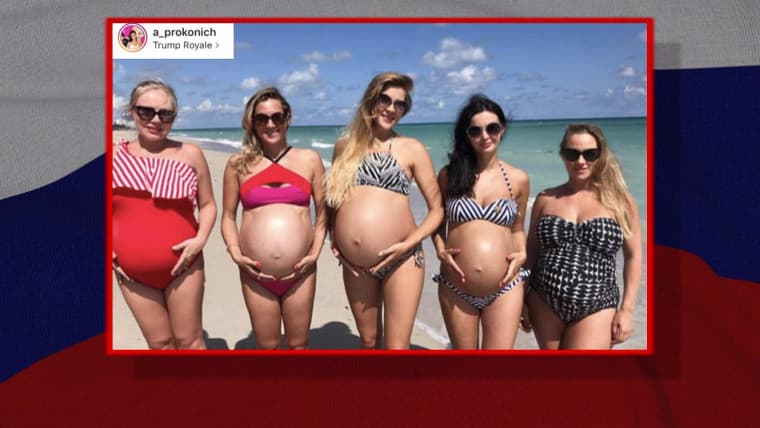
Birth tourism, also called maternal tourism or pregnancy tourism, is the practice of traveling to another country specifically to give birth so that the child obtains citizenship by birthplace. In the United States, it is rooted in the legal principle of *jus soli*, Latin for "right of soil": any child born on American soil is automatically granted US citizenship, regardless of the parents' nationality or immigration status. This principle is enshrined in the 14th Amendment to the Constitution, and it has made the United States one of the most sought-after destinations for expectant foreign mothers anywhere in the world.
Among advanced economies, Canada and the United States are the only countries that grant automatic citizenship to children born to non-citizens who are not legally resident aliens, a distinction that gives both countries outsized appeal among prospective birth tourists. The practice is global in scope.
Why Parents Pursue It
The motivations are practical and long-ranging. As "immediate relatives," children born in the US do not have to wait in line like other immigrants when they later seek to sponsor family members for residency. That downstream immigration advantage is a major draw, but it is far from the only one. As one Turkish birth tourist admitted, speaking of her daughter: "I don't want her to deal with visa issues — American citizenship has so many advantages."
A US passport opens access to better educational institutions, expanded visa-free travel, and the full range of American social and civic life. A US passport is an extremely useful and coveted document, giving holders ready access to virtually any country on earth. For families in countries with restricted movement, limited economic opportunity, or unstable governance, securing that passport for a newborn is seen as a generational investment.
Who Is Doing It and Where
Birth tourism to the United States is practiced by people from around the globe, especially including citizens of China, Taiwan, Korea, Nigeria, Turkey, Russia, Brazil, and Mexico. The geographic reach of the practice reflects just how broadly American citizenship is valued across different cultures and economic backgrounds.
As of 2015, Los Angeles is considered a center of the maternity tourism industry, which caters mostly to women from China and Taiwan; authorities in the city closed 14 maternity tourism "hotels" in 2013. For Chinese nationals who want to avoid the complexity of a US visa entirely, there is another route: Saipan, in the Northern Mariana Islands, where the cost is cheaper and travel does not require a US visa. More than 70% of the newborns in Saipan have birth tourist parents from mainland China, who take advantage of the territory's 45-day visa-free visitation rules.
The Industry Behind It
Birth tourism has attracted a cottage industry of facilitators operating as middlemen between foreign clients and American hospitals. Companies act as intermediaries, facilitating travel logistics, liaising with healthcare professionals, and arranging delivery care for mothers and babies, often at heavily marked-up prices that make it a lucrative business for agencies. According to US Immigration and Customs Enforcement, these agencies charge pregnant women between $15,000 and $50,000 to give birth in the US.
The Centers for Disease Control and Prevention estimated there were 9,500 births to parents who reported a non-US address as their residence in 2024, a number likely undercounted because people may not self-report. The Center for Immigration Studies, a think tank that favors lower immigration levels, puts the figure considerably higher: it estimates birth tourism results in 33,000 births to women on tourist visas annually, with hundreds of thousands more born to mothers on temporary visas or present without authorization. The Niskanen Center, another think tank, has disputed the higher estimates as an overcount.
Enforcement Crackdowns
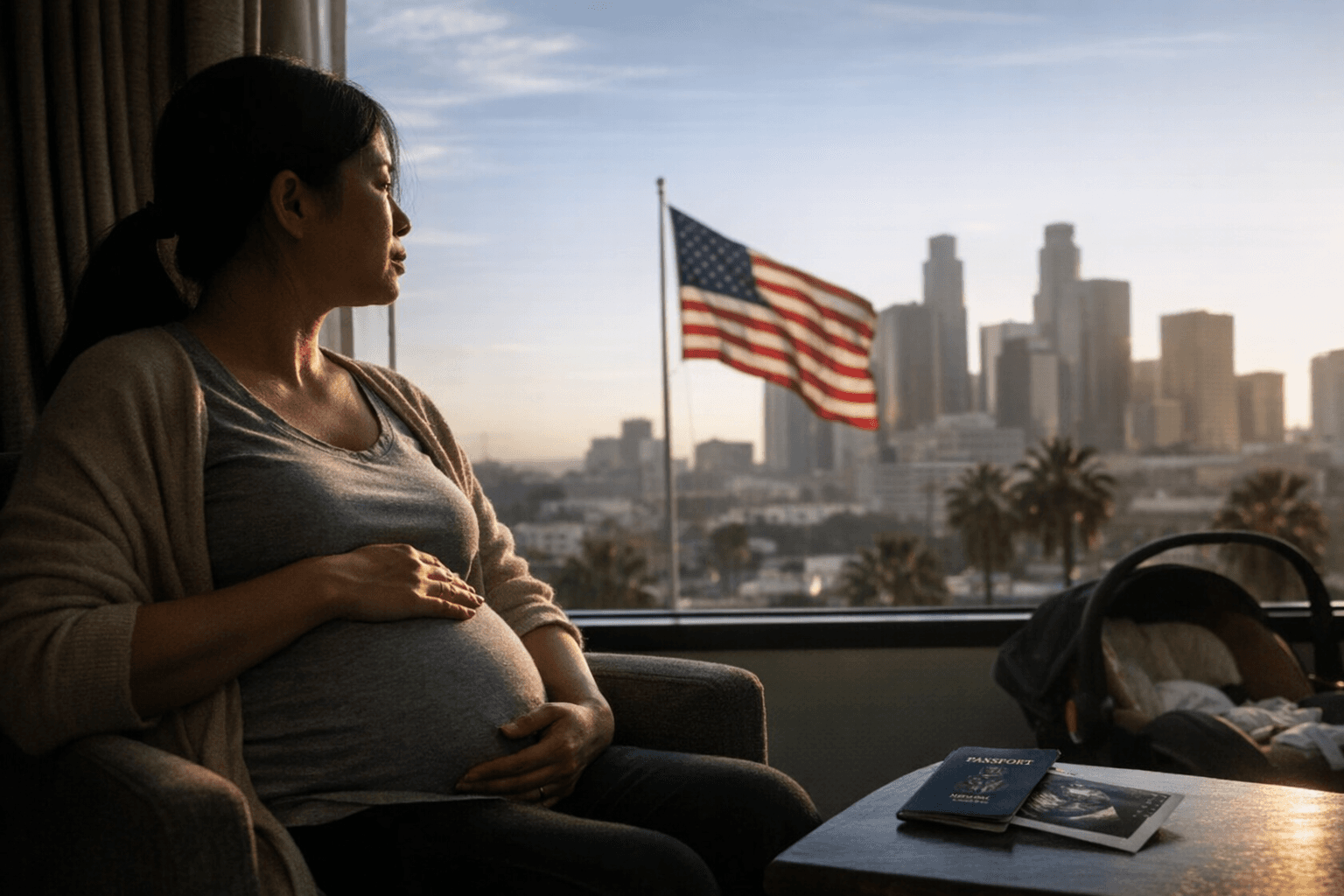
Federal authorities have pursued the birth tourism industry for years, with prosecutions intensifying over time. In January 2020, a new policy took effect making it more difficult for pregnant foreign women to enter the US for birth purposes, with the country no longer issuing temporary B-1/B-2 visitor visas to applicants seeking to enter for birth tourism.
Criminal cases followed. In December 2020, federal prosecutors charged six Long Island residents who were operating a birth tourism scheme that cost US taxpayers over $2 million. The suspects submitted over 99 Medicaid claims for different women, assisting the births of about 119 children who became US citizens, and were charged with conspiracy to commit health care fraud, visa fraud, wire fraud, and money laundering.
More recently, in January 2025, a California woman who operated a maternity center called "USA Happy Baby" was sentenced to 41 months in prison for helping over 100 Chinese women give birth in the US through visa fraud and money laundering, marking the first criminal prosecution targeting the birth tourism industry.
Then, on April 24, 2025, the US Department of State confirmed that tourist visa applications made primarily for the purpose of giving birth in the United States will be fully rejected, with individuals who previously gave birth under such circumstances potentially facing visa revocation and permanent entry bans.
The Legal and Constitutional Debate
The enforcement push runs alongside a deeper constitutional argument. Some legal scholars argue that the 14th Amendment Citizenship Clause was never intended to benefit the children of temporary foreign visitors, and while the Supreme Court has ruled that US-born children of permanent resident aliens are covered by the Citizenship Clause, it has never decided whether the same rule applies to children of aliens present in the US temporarily.
The Trump administration has challenged birthright citizenship more directly through executive action. In July 2025, a federal judge in New Hampshire granted class-action status to a lawsuit aiming to protect babies who would lose birthright citizenship under the administration, temporarily blocking the president's order restricting citizenship for children born to mothers who were unlawfully present at the time of birth when the father was not a US citizen or permanent resident.
Why Policy Solutions Are Complicated
Targeting birth tourism through visa denial alone faces practical obstacles. Sarah Pierce, a policy analyst at the Migration Policy Institute, argues the policy is not an effective way to address the birth tourism industry since most women do not disclose that they are intending to visit the US to gain citizenship for a child. She also notes that tourist visas are typically granted for up to 10 years, meaning women could obtain one long before becoming or planning to become pregnant. Pierce argues that a more effective approach would be to target the industry itself rather than attempting to screen individual travelers at the consular stage.
The debate over birth tourism sits at the intersection of constitutional law, immigration policy, and national identity. What makes it so durable as a political flashpoint is the same thing that makes the practice so appealing to foreign parents: the profound value, real and symbolic, that still attaches to the words "born in the United States.
This article was produced by Prism’s automated news system from verified source data, official records, and press releases, then run through automated quality and moderation checks before publishing. The system is built and supervised by the people who set the standards it runs under. Read our full AI policy.
Did this article answer your question?

