Birthright Citizenship Critics Cite Birth Tourism Fraud, but Experts Disagree
The birth tourism hotspot critics cite most often saw births plummet 90% after visa enforcement. Every court to hear Trump's challenge has ruled it unconstitutional.
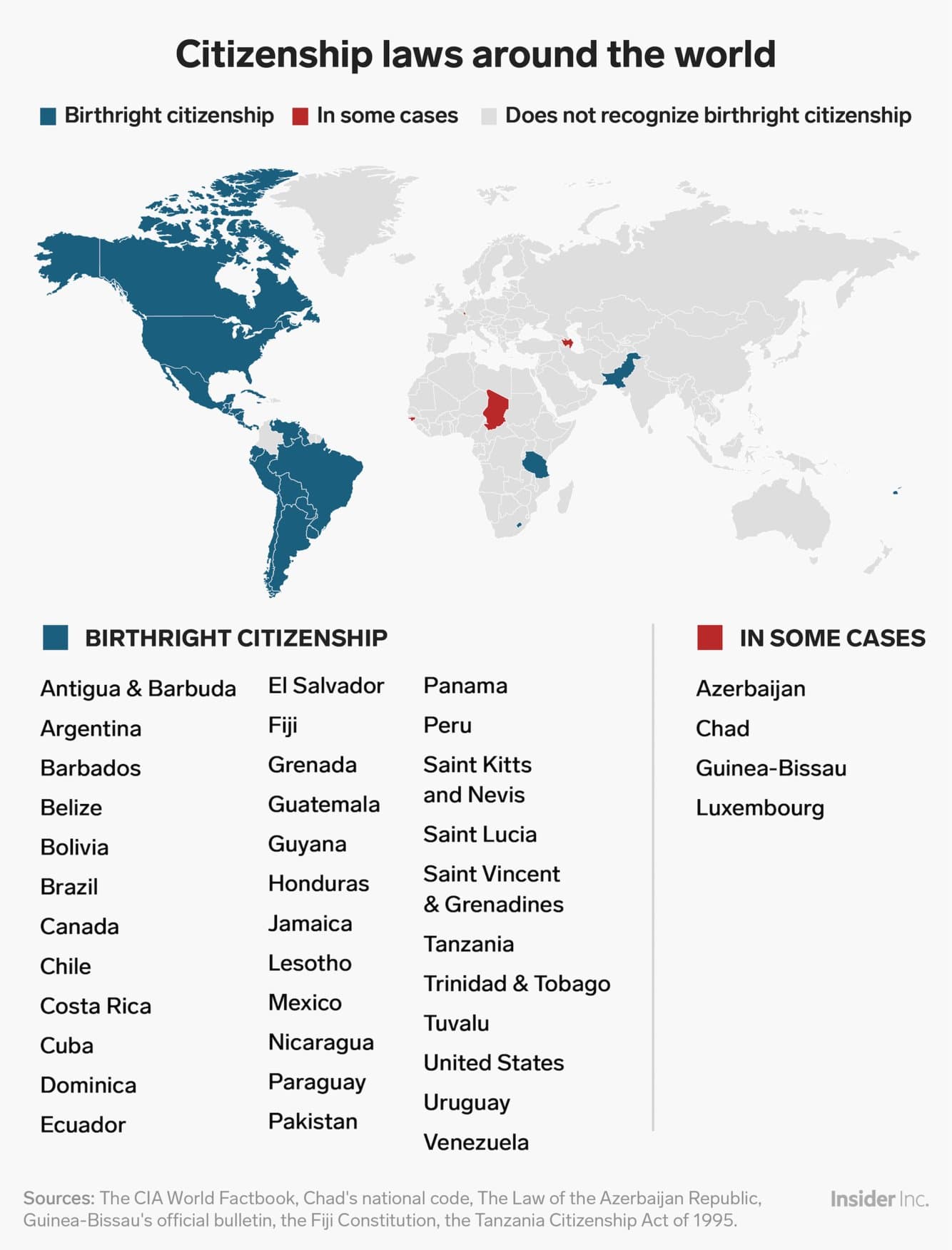
The number circulates in congressional testimony and policy briefs with the authority of settled fact: 33,000 births annually to women who entered the United States on tourist visas. Critics of birthright citizenship invoke that figure, drawn from Center for Immigration Studies estimates based on 2016 and 2017 data, as proof that the Fourteenth Amendment's promise of automatic citizenship has become an invitation to fraud. Experts who study immigration law and demography say the reality is considerably more complicated.
The argument rests on a specific claim about conduct: that pregnant foreign nationals travel to the United States on tourist visas, misrepresent the purpose of their trips, give birth so their children obtain U.S. citizenship, and return home. A congressional statement framing the debate described the practice as "an entire black market" enabled by "unqualified birthright citizenship," asserting those dynamics are "inconsistent with the history and meaning of the 14th Amendment." The same statement argued that "hundreds of thousands more" births to undocumented immigrants or people on temporary visas annually create a structural incentive for illegal border crossings, with families able to use U.S.-citizen children to petition for immigration benefits 21 years later through family-sponsored channels.
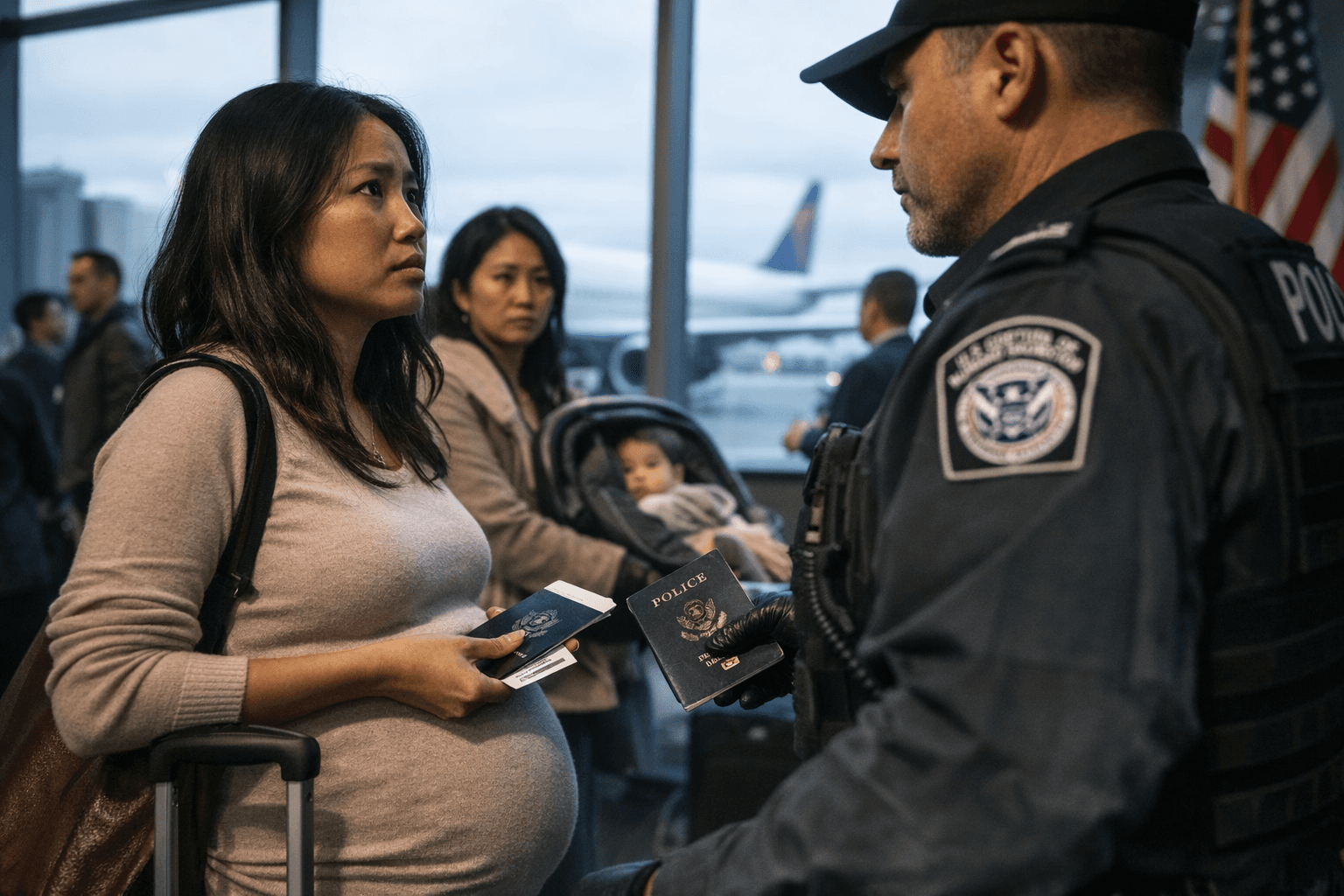
Federal law enforcement has, in fact, documented that fraud does happen. In January 2019, prosecutors in Southern California unsealed indictments against 19 people linked to Chinese birth tourism operations. Visa applicants lied about the purpose and duration of their trips. Wei Yueh Liu, the indicted head of one operation called "You Win USA," ran what investigators described as a sophisticated enterprise; among the assets seized were four Mercedes-Benz vehicles and gold bars. Many of those indicted fled to China before they could be prosecuted.
But Claude Arnold, then special agent in charge of Homeland Security Investigations for Los Angeles, drew a distinction that cuts to the center of the policy debate: "It's not necessarily illegal to come here to have the baby, but if you lie about your reasons for coming here, that's visa fraud." The citizenship itself is not the fraud. Where fraud occurs, it is in the visa application, and prosecuting it does not require rewriting the Constitution.
That distinction matters for the broader constitutional argument. The Supreme Court's 1898 ruling in United States v. Wong Kim Ark established what courts have since treated as settled precedent: the Fourteenth Amendment confers citizenship on virtually everyone born on U.S. soil, regardless of the parents' immigration status. The ruling held that birthright citizenship reflects "the fundamental rule of citizenship by birth within the dominion of the United States, notwithstanding alienage of parents." Every lower court that reviewed President Trump's January 2025 executive order seeking to end birthright citizenship ruled it unconstitutional. The case, Trump v. Barbara, is now before the Supreme Court.
On the ground in the Commonwealth of the Northern Mariana Islands, one of the most-cited examples of birth tourism concentration, the picture has already shifted. Births to Chinese tourists at the islands' hospital peaked at 581 in 2018 and had fallen to 58 by 2024, according to data from the office of Kimberlyn King-Hinds, a drop of roughly 90 percent driven largely by visa enforcement changes rather than any change to the citizenship clause itself.
The gap between the fraud cases that prosecutors have actually pursued and the sweeping constitutional claims critics build around them is where the legal debate now sits, awaiting a Supreme Court that will finally have to say, definitively, what the Fourteenth Amendment means in practice.
This article was produced by Prism’s automated news system from verified source data, official records, and press releases, then run through automated quality and moderation checks before publishing. The system is built and supervised by the people who set the standards it runs under. Read our full AI policy.
Did this article answer your question?

