Black Zambians say they face racism in Zambia, despite unity ideals
Black Zambians say racism still shapes housing, work, and status, exposing a sharp gap between Zambia’s unity ideals and daily life.
The gap between national pride and daily life
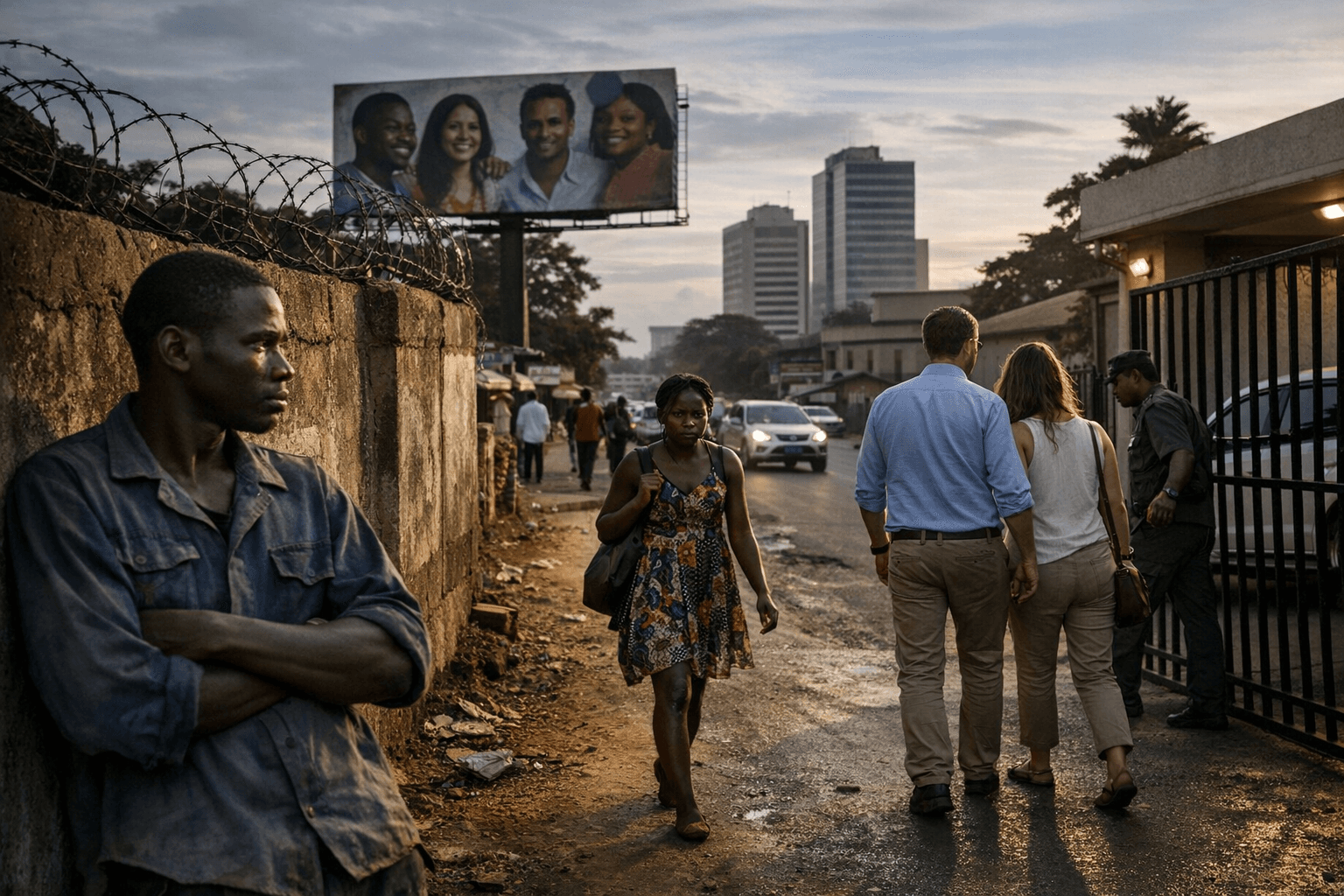
Black Zambians are describing a country that celebrates unity on paper but can feel divided in practice. Several told the BBC they sometimes feel like second-class citizens in their own country, a painful contradiction in a nation that has long wrapped its identity around African nationalism and the promise of shared belonging.
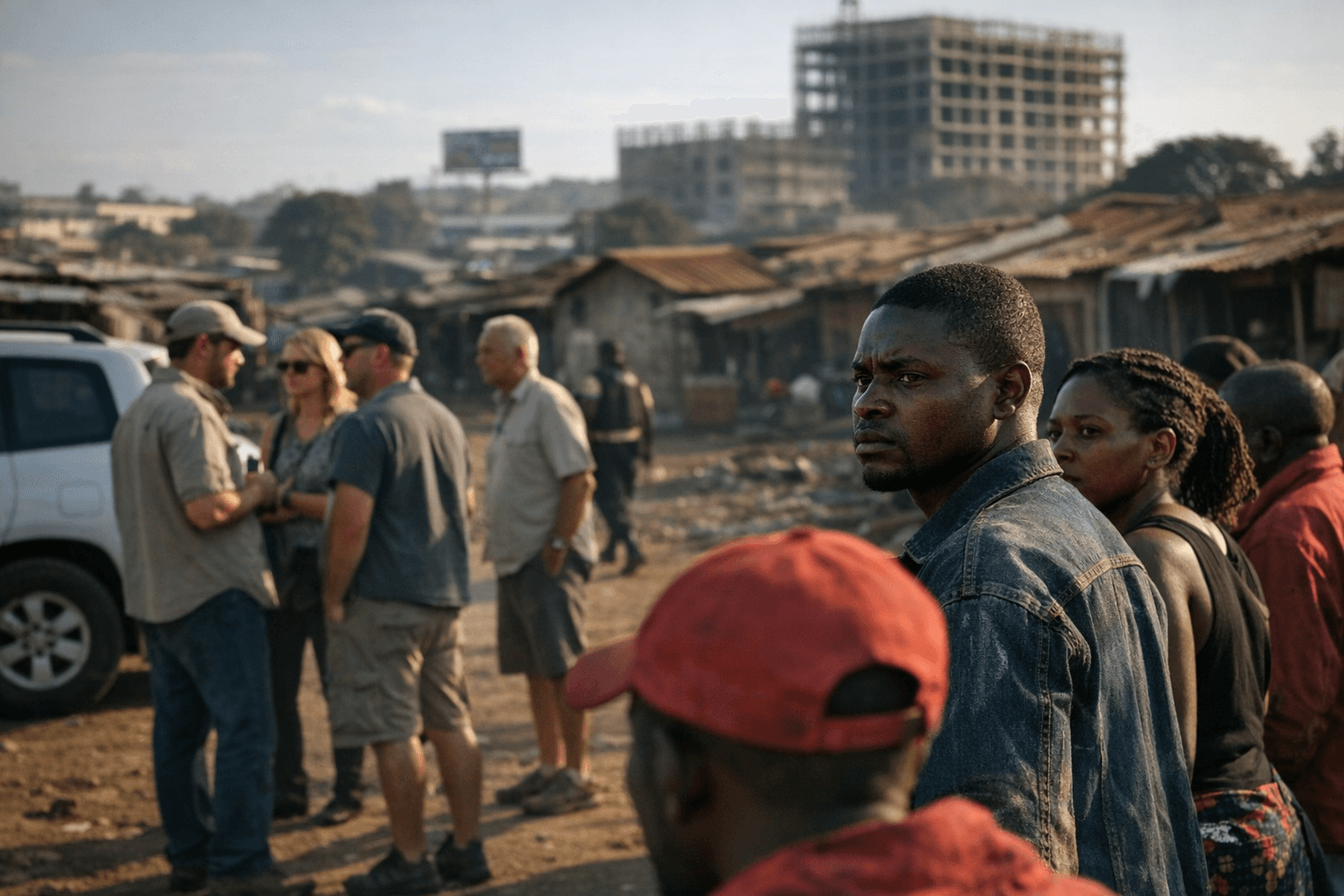
That tension matters because Zambia’s founding story was built on the idea that independence would end the racial hierarchy of Northern Rhodesia. Yet complaints about housing, public accommodation, and other everyday encounters suggest that the old lines have not disappeared as completely as the national motto implies.
A nation built on unity ideals
Zambia became independent from Britain in 1964, and Kenneth Kaunda, the country’s first president, governed from 1964 to 1991 while promoting the slogan “One Zambia, One Nation.” The phrase was not just a political slogan. It was part of a larger nation-building project meant to bind together a country made up of many communities and languages.
Scholarship on the slogan says Zambia was trying to create a common identity across roughly 70 ethno-linguistic groups, while another source puts the number of ethnic groups at around 73. That diversity is central to the national story, and it helps explain why complaints about racial exclusion cut so deeply. When unity is treated as a founding principle, lived experiences of discrimination feel like a direct challenge to the country’s self-image.
What discrimination looks like on the ground
The concerns raised by Black Zambians are not abstract. Estate agent Malama Muleba says some landlords and property managers take race into account when renting out homes, a claim that points to one of the most intimate forms of exclusion: access to shelter. Housing discrimination can shape where people live, who they live near, and whether they can participate fully in urban life.
The issue has also surfaced in public and commercial spaces. A Zambian legal analysis cited allegations that a Chinese-owned barbershop at Arcades Mall in Lusaka discriminated against Black customers and displayed prices in Chinese. The Lusaka mayor shut down the barbershop after the allegations, turning a local complaint into a highly visible test of how Zambia handles race-based grievances in everyday business settings.
These examples show how discrimination can operate less through open segregation than through quieter gatekeeping. It can appear in renting decisions, customer treatment, pricing transparency, and assumptions about who belongs where. For people affected, the harm is practical as well as symbolic.
The constitutional promise
Zambia’s legal framework says the country should be very different from the experiences described by those residents. The Constitution describes Zambia as a “unitary, indivisible, multi-ethnic, multi-racial, multi-religious and multi-cultural” state, and it prohibits discrimination based on race, skin colour, and origin. That language is broad, and it gives the state a clear standard against which racial exclusion can be judged.
The Zambia Law Development Commission has also pointed to Article 4(3) of the Constitution, which reinforces the same basic principle of national unity and multi-racial belonging. In other words, Zambia’s legal identity is not ambiguous. The challenge is less about what the law says than about whether the law is experienced evenly in housing, employment, public services, and social life.
International obligations and government commitments
Zambia’s anti-discrimination obligations are not only domestic. The country ratified the International Convention on the Elimination of All Forms of Racial Discrimination on 4 February 1972, placing it within a global framework that requires governments to confront race-based hostility and violence. The United Nations Committee on the Elimination of Racial Discrimination examined Zambia’s report in May 2019, bringing international scrutiny to how the country handles racial equality in practice.
During that review, Zambia said it remained committed to fighting race-based hostility and violence, including institutional and systemic racism affecting law enforcement, access to justice, education, health, and employment. That statement is important because it shows the government recognizes racism as more than isolated personal prejudice. It also suggests official awareness that discrimination can be embedded in institutions, not just in individual behavior.
The test now is whether those commitments translate into stronger enforcement, clearer reporting pathways, and more consistent protection for people who say they have been excluded because of race.
Why the history still echoes
The emotional force of these complaints is rooted in Zambia’s independence struggle. Zambians campaigned not only for self-rule but also against racist discrimination imposed on the black majority in political, economic, and social life in then-Northern Rhodesia. That history gives today’s allegations a sharp edge: people are not merely complaining about unfair treatment, but about a failure to complete the promise of liberation.
Kaunda’s later role on the continental stage reinforced Zambia’s Pan-African identity. According to South Africa’s presidency, he served as president of the Pan-African Freedom Movement for East, Central and Southern Africa in 1963, just before independence. That placed Zambia inside a broader movement that treated racial dignity and African solidarity as central political goals.
For that reason, stories of discrimination in modern Zambia strike at more than etiquette or individual offense. They raise a deeper question about whether the country’s liberation-era ideals have remained strong enough to shape daily life.
The broader significance
The accounts from Black Zambians matter because they reveal how national identity can diverge from social reality. Zambia presents itself as multi-ethnic, multi-racial, and united, yet some residents say race still influences who gets housed, welcomed, or treated fairly. That gap is not just a moral problem; it is also a policy problem, because discrimination that goes unchallenged can undermine trust in institutions and weaken the credibility of constitutional promises.
Zambia’s future reputation will depend on whether its public ideals can match the experiences of its people. The country’s unity slogan still carries enormous symbolic power, but the lived test is whether Black Zambians can move through housing markets, workplaces, and public spaces without feeling that they are lesser citizens in the land their history helped build.
This article was produced by Prism’s automated news system from verified source data, official records, and press releases, then run through automated quality and moderation checks before publishing. The system is built and supervised by the people who set the standards it runs under. Read our full AI policy.
Did this article answer your question?