BLM Reopens Greenlink North Environmental Review Over Sage-Grouse Protections
BLM reopened the environmental review for the Greenlink North transmission line over concerns about greater sage-grouse protections, a move that could alter construction timing and local mitigation measures.
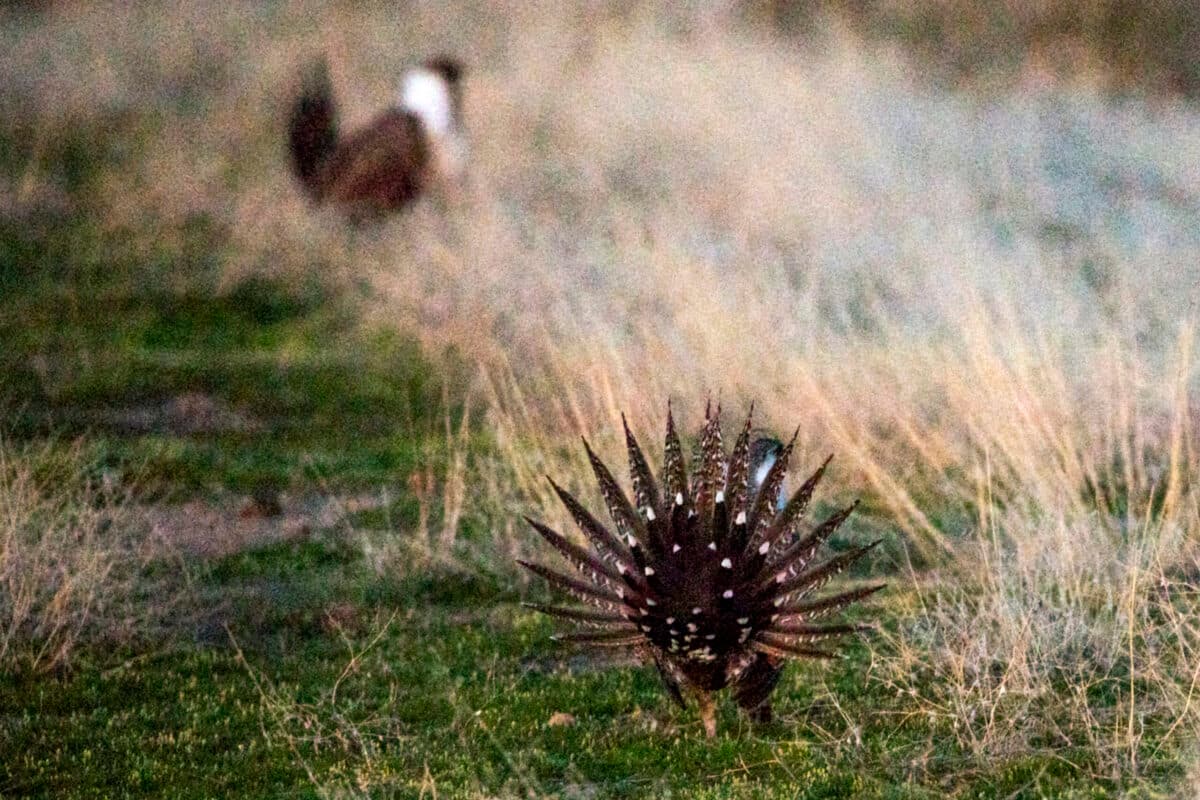
The Bureau of Land Management reopened its environmental review of the Greenlink North transmission line after officials agreed parts of protest letters raised technical concerns tied to greater sage-grouse habitat protections. The 235-mile Greenlink North project, which would carry power from Yerington to Ely and is paired with Greenlink West, faces renewed scrutiny over proximity to known sage-grouse leks and potential waivers or exemptions to land-use plans designed to protect the species.
The Greenlink projects together carry an estimated $4.2 billion price tag. Greenlink West is already under construction with an anticipated service date of May 2027. Greenlink North had its schedule adjusted with a construction completion date of 2028; the BLM’s decision to reopen the environmental analysis introduces additional uncertainty to that timeline. The agency set a final record of decision target date of May 15 on the project website, and the new analysis is intended to address protestors’ concerns as well as letters from the governor’s office about protections that might restrict construction windows in sensitive areas.
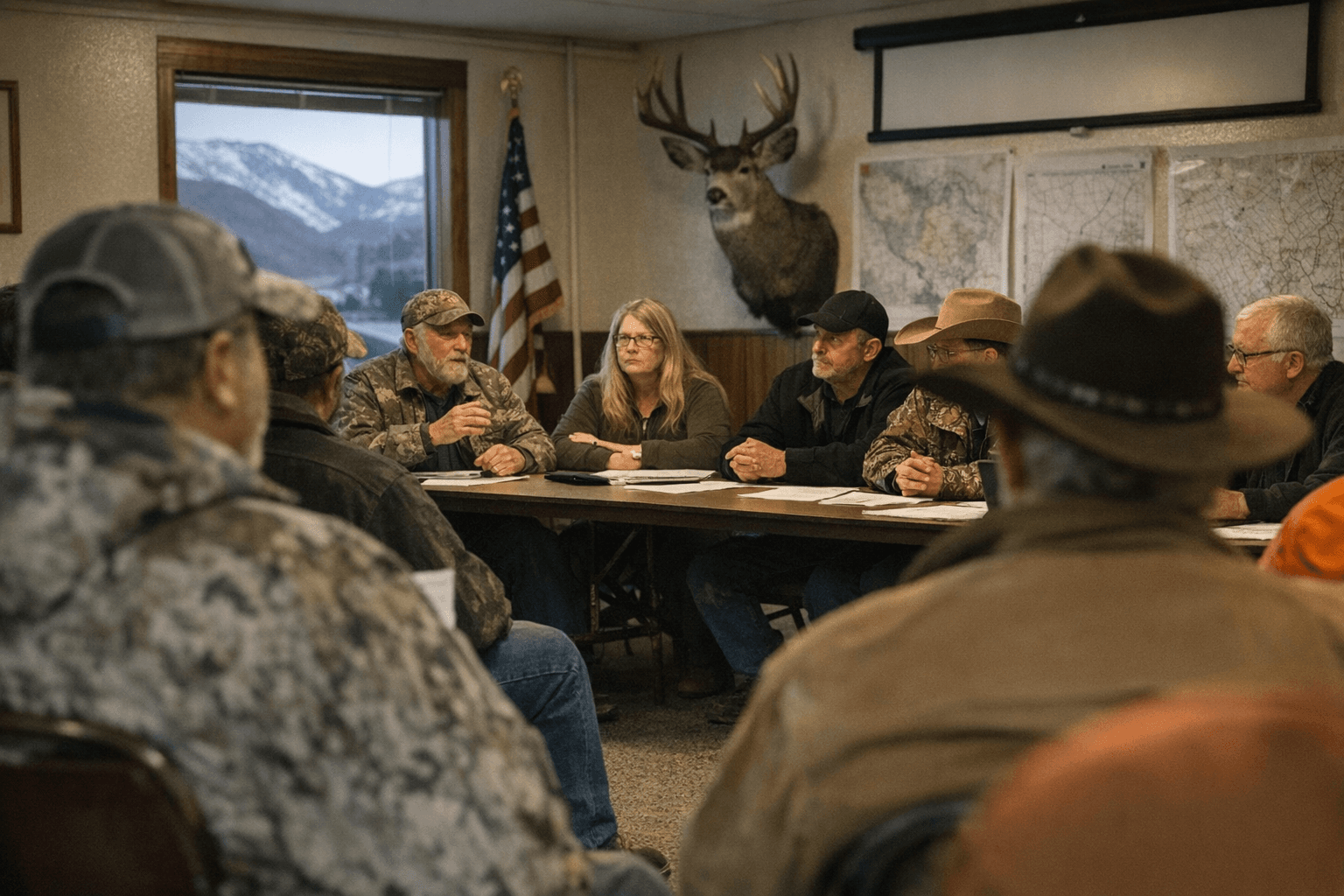
Nevada BLM leadership agreed with elements of protest letters submitted by environmental groups, sportsmen organizations and local legal representatives. The identified technical issues include the alignment’s proximity to occupied sage-grouse leks and the implications of any administrative waivers or exemptions that would alter habitat protections under existing land-use plans. Those concerns speak to a broader tension between protecting the greater sage-grouse and maintaining construction windows and costs for large transmission builds.
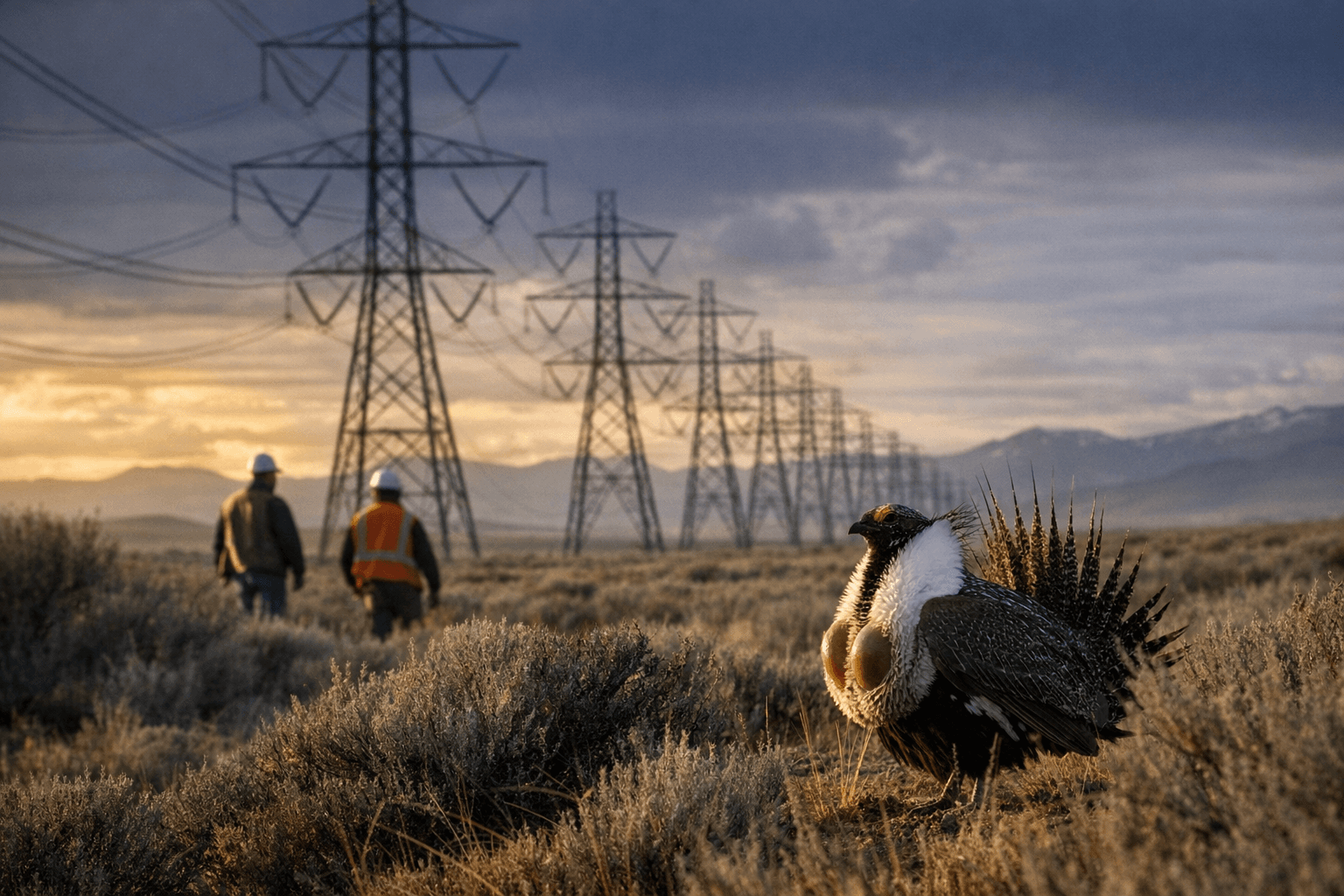
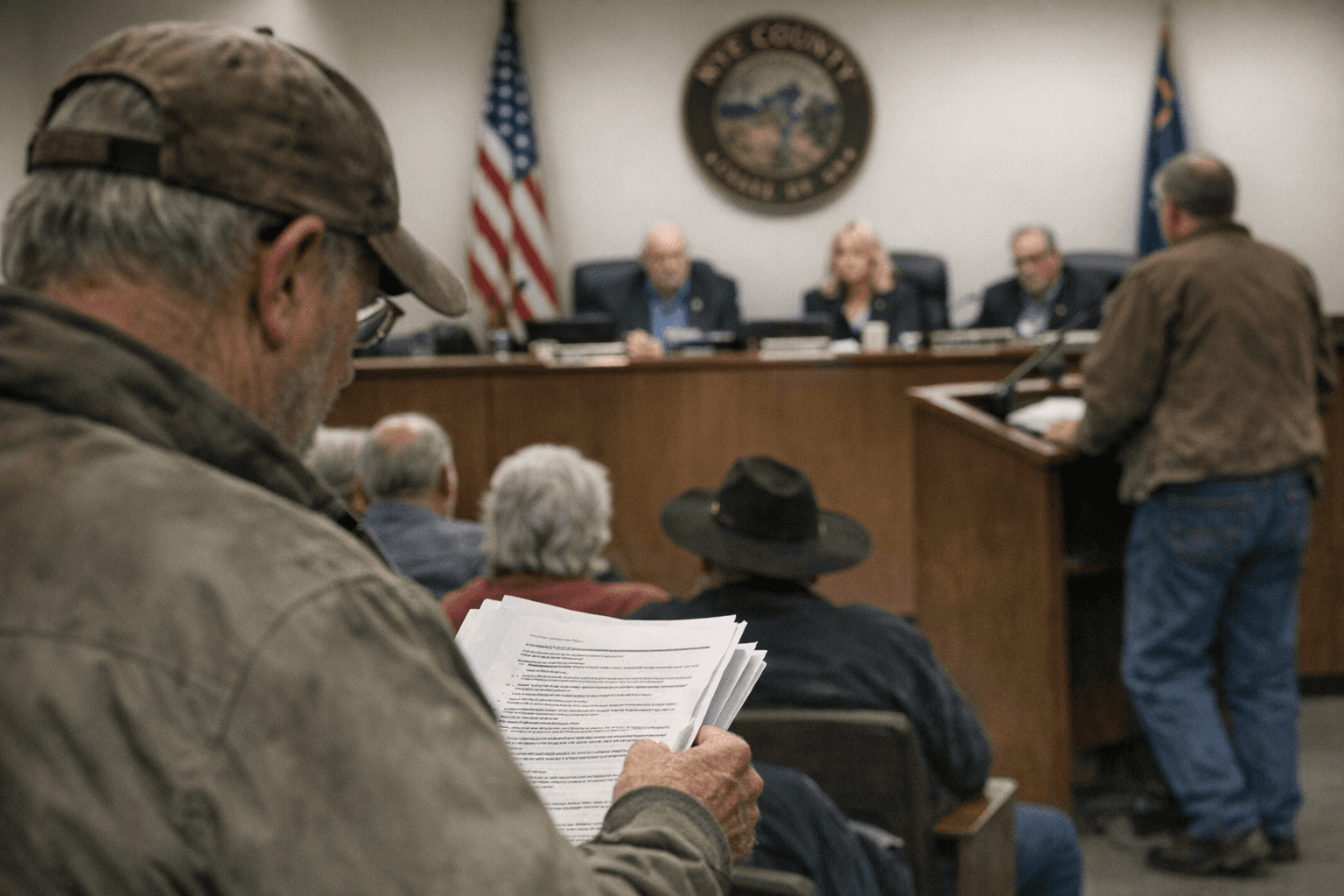
For Nye County residents and local stakeholders, the review shift matters in several ways. Construction delays or additional mitigation requirements could affect local contracting schedules, demand for labor and the timing of work near ranchlands, grazing allotments and recreation areas. Changes to allowed construction windows in lek areas could increase project costs or require reroutes, with downstream impacts on how and when new renewable generation and transmission come online across the Walker Lane and central Nevada corridors.
The Greenlink corridors are part of a wider push to expand transmission to accommodate utility-scale solar and other renewables. Decisions reached in the Greenlink North analysis will set precedents for how federal land managers weigh species protections against the operational needs of major infrastructure projects in rural Nevada. Local governments, land users and conservation interests will be watching the BLM’s supplemental analysis for indicators of how mitigation, timing and cost trade-offs will be resolved.

What comes next is a supplemental environmental review of the flagged issues, followed by a record of decision targeted for May 15. That timeline will determine whether Greenlink North proceeds on its 2028 completion track or requires additional adjustments. Residents and local officials should monitor the BLM’s filings and outreach, as outcomes will influence construction activity, habitat protections and the pace of new transmission serving Nevada’s evolving energy mix.
Sources:
Know something we missed? Have a correction or additional information?
Submit a Tip