BLM Urges Caution at Bisti Badlands: No Fossil Collecting, Bring Water
BLM warns visitors to Bisti Badlands that fossil collecting is prohibited and that they must bring water and navigation tools for this remote, undeveloped area.
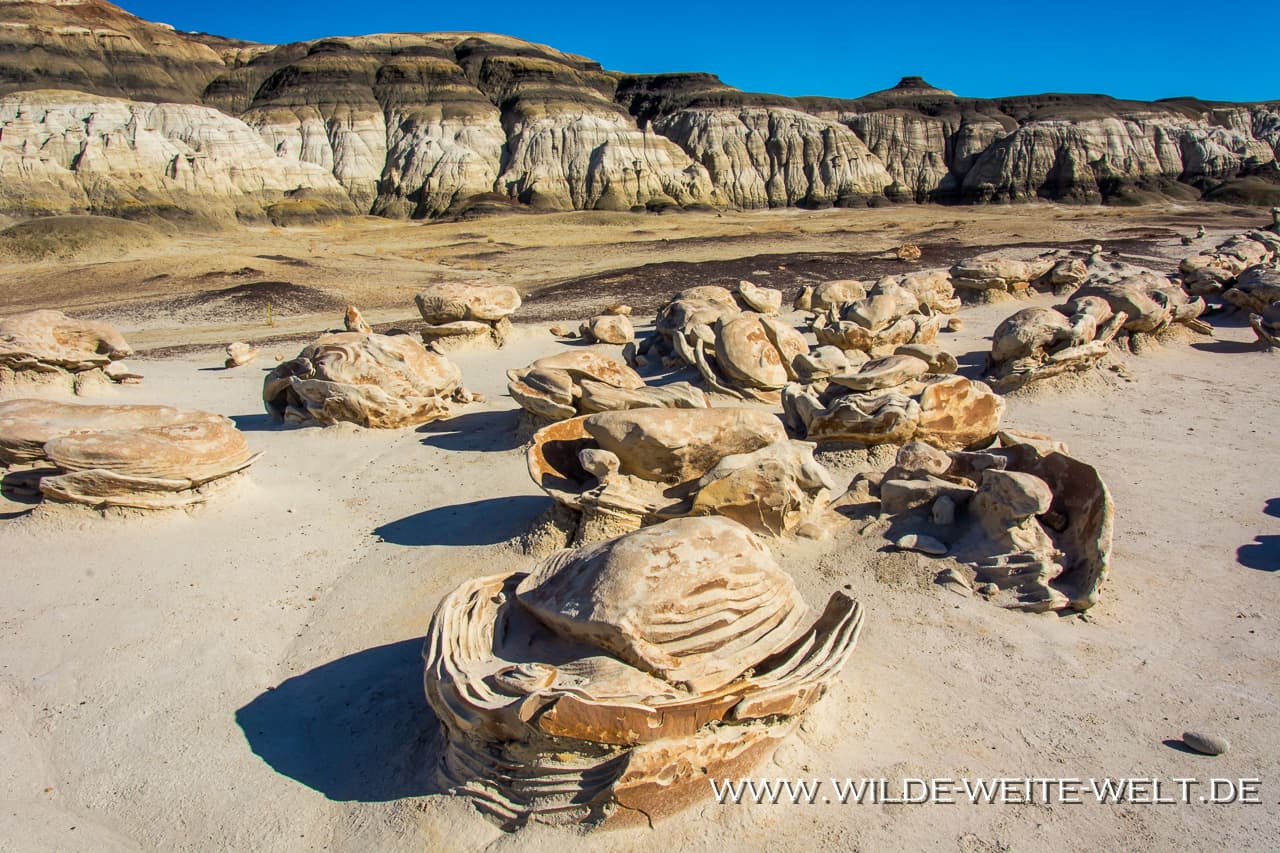
The Bureau of Land Management is urging caution for anyone visiting the Bisti/De-Na-Zin Wilderness southwest of Farmington, reminding the public that the area is remote, lacks potable water, and contains fossil-bearing layers that may not be disturbed. The wilderness is open year-round for hiking, wildlife viewing, photography, backpacking and stargazing, but agency guidance emphasizes preparation and adherence to rules intended to protect resources and public safety.
Visitors should plan for an undeveloped environment. The Bisti Trailhead provides parking and a vault toilet; De-Na-Zin Trailhead offers minimal facilities. There is no potable water on site, and the BLM advises carrying sufficient water, printed maps or reliable navigation tools, and other basic survival gear because the hoodoos and rock formations create a landscape where it is easy to become disoriented. Motorized and wheeled vehicles are not allowed within the designated Wilderness area.
Protection of paleontological resources is a central concern. Although the badlands expose sedimentary layers rich in fossils and petrified wood, the BLM prohibits collecting those materials within the Wilderness boundary. The agency also enforces group size limits and requires permits for commercial guiding, workshops and research activities. These measures are intended to preserve fragile formations and fossil contexts while balancing public access to scenic and scientific values.
For San Juan County this guidance matters for several reasons. Local businesses that draw visitors to the badlands - guides, outfitters, lodging and outdoor retailers - rely on predictable management and clear rules to operate. Recreational users and photographers who travel to the Bisti Badlands should be aware that a lack of facilities increases the potential for search-and-rescue incidents and resource damage when visitors are unprepared or ignore restrictions. Respecting the no-collecting rule helps protect scientific value and prevents legal exposure for individuals who remove paleontological materials.

The BLM maintains access directions, safety guidance and other visitor information on its official page; prospective visitors should consult that resource before traveling. Plan routes and timing, carry extra water and navigation aids, park at established trailheads, and comply with permit requirements if operating commercially.
For county residents and visitors, the new advisory underscores two clear responsibilities: protect the badlands so future generations can study and enjoy them, and prepare for a rugged outing rather than expecting developed amenities. Following agency guidance reduces risk to people and to the unique geological and paleontological features that make the Bisti Badlands a distinctive local landscape.
Sources:
Know something we missed? Have a correction or additional information?
Submit a Tip