Bloomberg Hosts Live Q&A on Risks of Pre-IPO Investing in SpaceX and OpenAI
Bloomberg reporters warned that some special purpose vehicles pitched as holding SpaceX and OpenAI shares "sometimes don't even hold any shares" in those companies.
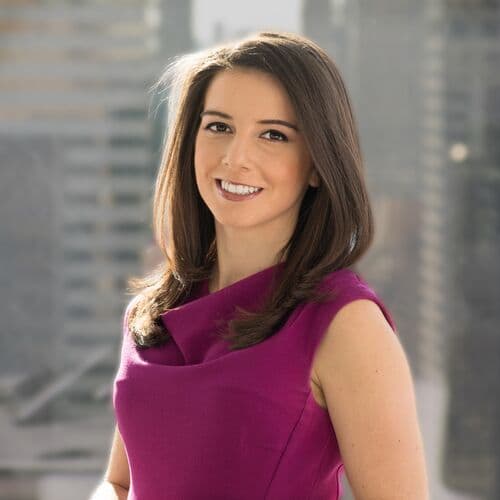
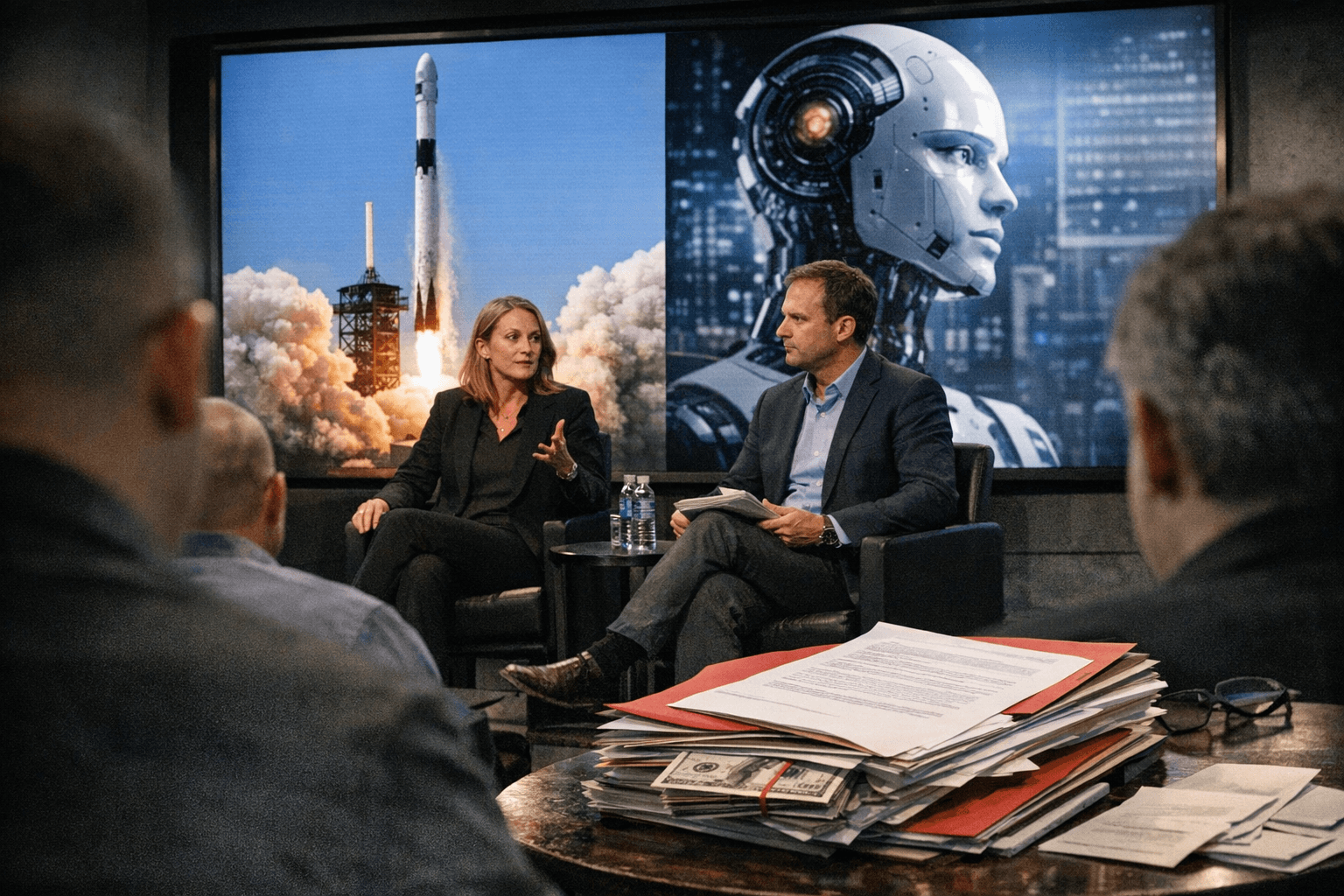
From Silicon Valley to Wall Street to the City of London, financial elites have been hitting up wealth managers and well-connected friends for a way into SpaceX and OpenAI. Bloomberg brought that frenzy to a public forum Tuesday, hosting a live Q&A in which its reporters and analysts took audience questions on the legal and financial dangers lurking beneath the pre-IPO rush.
Investors have been flocking to products known as special purpose vehicles, or SPVs, as a way to get exposure to the companies. Yet while SPVs are pitched as holding shares in these private firms, they often carry exorbitant fees and sometimes don't even hold any shares in the companies at all. Bloomberg's Katie Greifeld led the discussion alongside reporters Bailey Lipschultz, Anthony Hughes, and Rebecca Torrence, with the session running at 11:30 a.m. EDT.
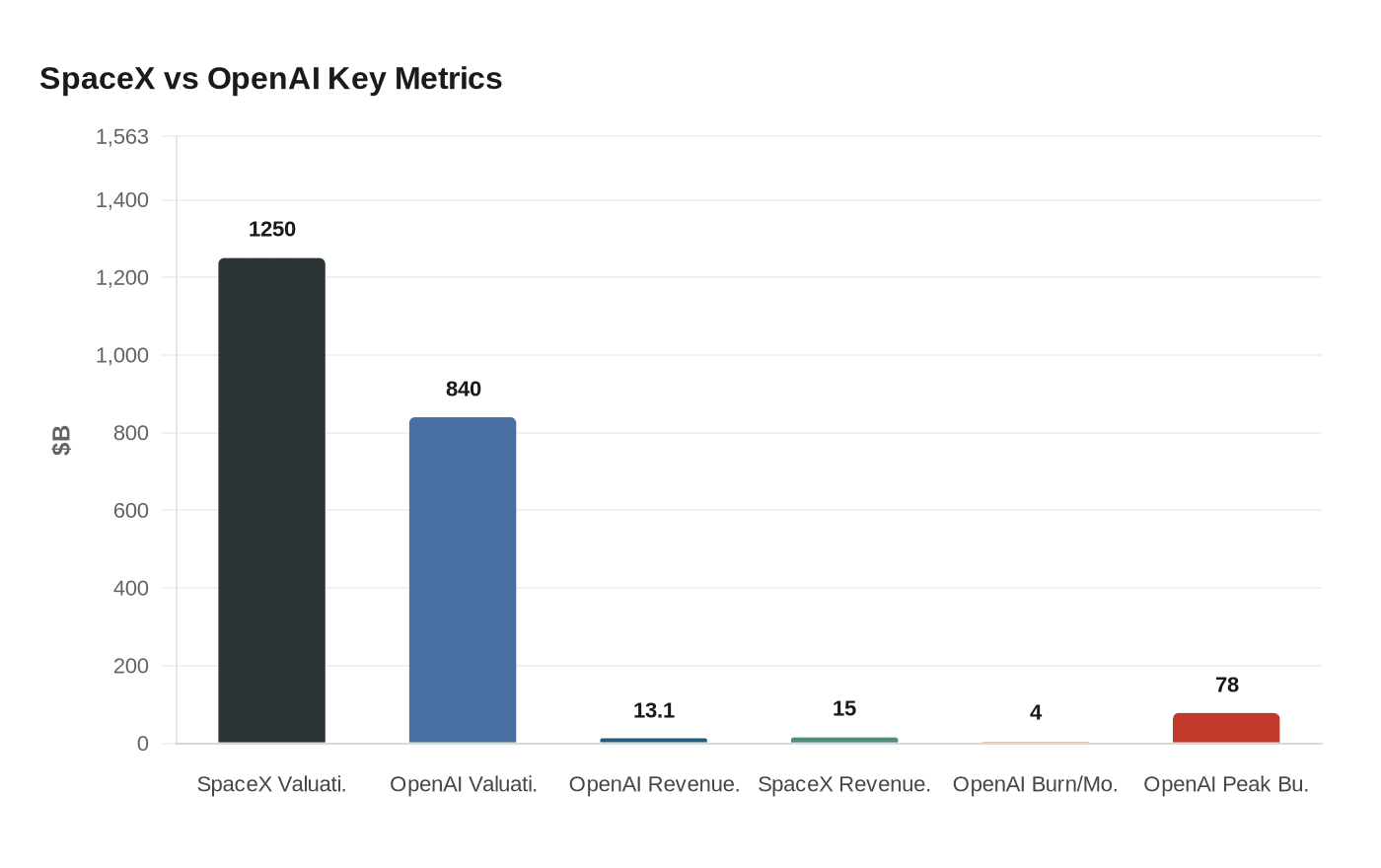
The backdrop makes the caution urgent. Internal filings and strategic restructurings have signaled a June 2026 debut for SpaceX and a late 2026 or early 2027 window for OpenAI. SpaceX recently completed an all-stock merger with xAI to reach a private valuation of $1.25 trillion, while OpenAI crossed the $840 billion mark following its latest funding round.
OpenAI now counts 900 million weekly active users and generated $13.1 billion in 2025 revenue, with investors valuing the company at $730 billion last month. But the headline numbers mask serious structural questions. OpenAI's current burn rate runs at roughly $4 billion a month, with projections putting its break-even point at 2030 and peak burn at $78 billion in 2028.
SpaceX carries its own valuation strain. The company reported revenue of around $15 billion last year, which at its reported valuation would give it a price-to-sales ratio of around 100, making it potentially one of the most expensive large-cap stocks in history.
There is a broader rush to invest in the world's fastest-growing private companies, including Anduril and Anthropic alongside SpaceX and OpenAI, before they go public, despite the legal and financial risks. That appetite has complicated the equity index landscape too. The addition of SpaceX and OpenAI to the S&P 500 could push the concentration of the index's top ten holdings to nearly 50% of its entire weight, effectively turning the benchmark into a mega-cap tech fund and making millions of passive investors hypersensitive to any volatility in AI or aerospace.
OpenAI's own investor documents, circulated ahead of its expected IPO filing, flagged risks including significant capital expenditures, reliance on compute resources, ongoing litigation with Elon Musk's xAI, and its unusual structure as a public benefit corporation.
Bloomberg digital subscribers and Terminal clients had the exclusive opportunity to submit questions for the team to answer in real time during the session. The core tension that drove the hour: the companies may well become the most consequential public listings in history, but the vehicles currently being sold to reach them carry risks that are far less glamorous than the underlying technology.
This article was produced by Prism’s automated news system from verified source data, official records, and press releases, then run through automated quality and moderation checks before publishing. The system is built and supervised by the people who set the standards it runs under. Read our full AI policy.
Did this article answer your question?

