Blue Energy raises $380 million to build Texas nuclear plant in shipyards
Blue Energy raised $380 million to build a 1.5-gigawatt Texas nuclear plant, betting shipyard assembly can tame the overruns that have hobbled U.S. reactors.
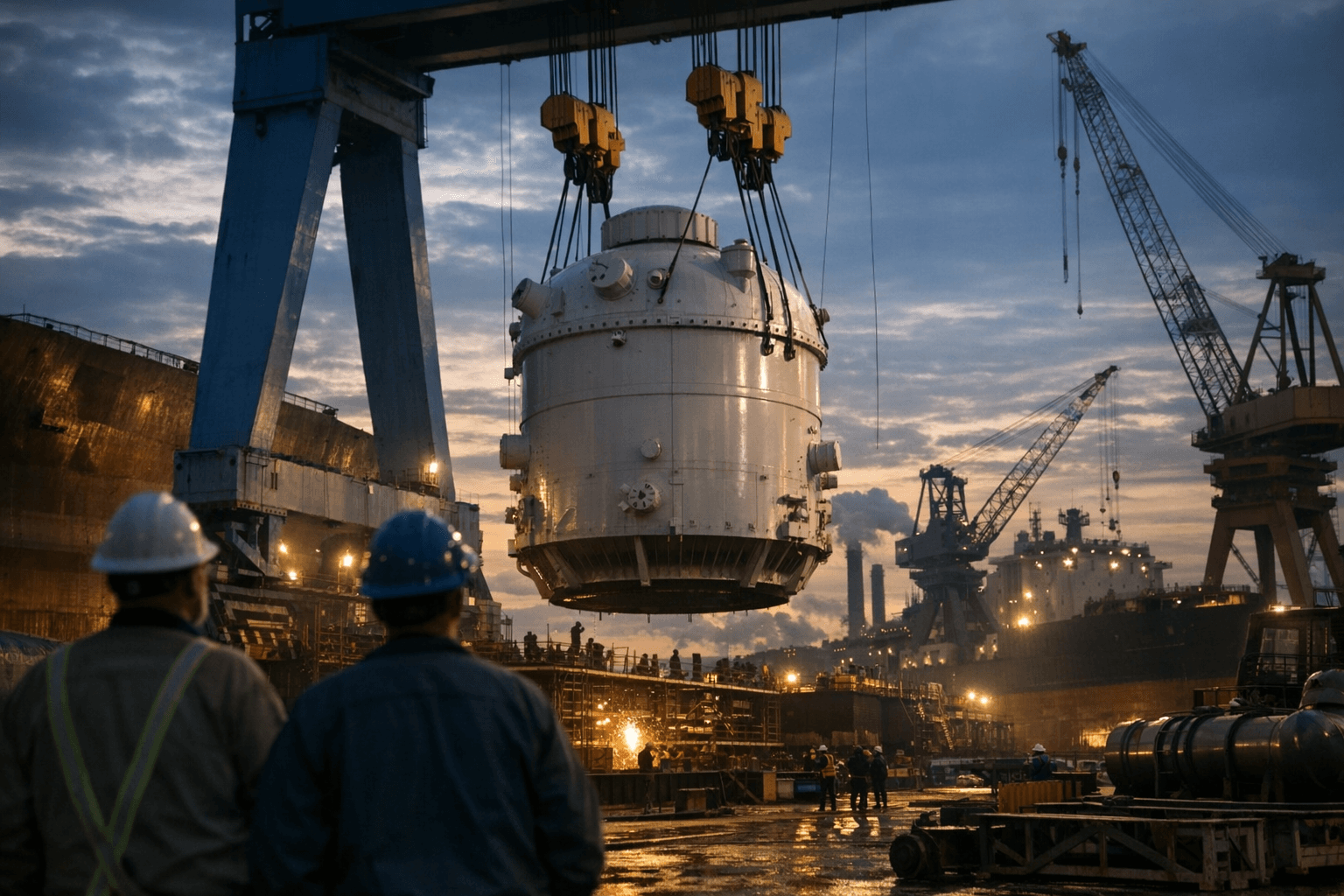
Blue Energy has raised $380 million to try a different answer to one of the nuclear industry’s oldest problems: not the reactor itself, but how to build it. The startup’s first project is a 1.5-gigawatt plant in Texas, with construction expected to begin later in 2026, and the company is pitching shipyard manufacturing as a way to make nuclear power faster, more standardized and less prone to the delays that have sunk previous U.S. projects.
The financing round was led by VXI Capital and included significant backing from Engine Ventures, along with participation from At One Ventures and Tamarack Global. Blue Energy said the proceeds will go toward long-lead equipment procurement, project development and corporate growth. The company is trying to sell nuclear as infrastructure that can be financed more like a repeatable industrial asset than a one-off megaproject, a framing that matters as utilities, technology companies and large power users hunt for new supply for data centers and electrification.
Blue Energy’s bet is that cost overruns can be reduced by moving much of the work off the construction site and into a controlled manufacturing setting. The company describes its model as shipyard manufacturing for modular nuclear power plants, with reactor sections and other components assembled in a shipyard, then barged to the site. That could open access to river-based destinations in multiple regions, but it also narrows where plants can be built. Blue Energy is wagering that the tradeoff pays off in schedule certainty, automation and lower risk.
The startup is not trying to reinvent reactor physics. It is focusing on light-water reactor technology, which Jake Jurewicz has linked to the long history of nuclear submarines and shipbuilding. The U.S. Naval Reactors program dates to 1948, the first test reactor for nuclear marine propulsion started up in 1953 and the first nuclear-powered submarine, USS Nautilus, went to sea in 1955. World Nuclear Association says more than 200 small nuclear reactors now power more than 160 ships. Those precedents support the idea that reactors can be built in industrial settings, though they do not guarantee the economics of a large grid-scale plant.
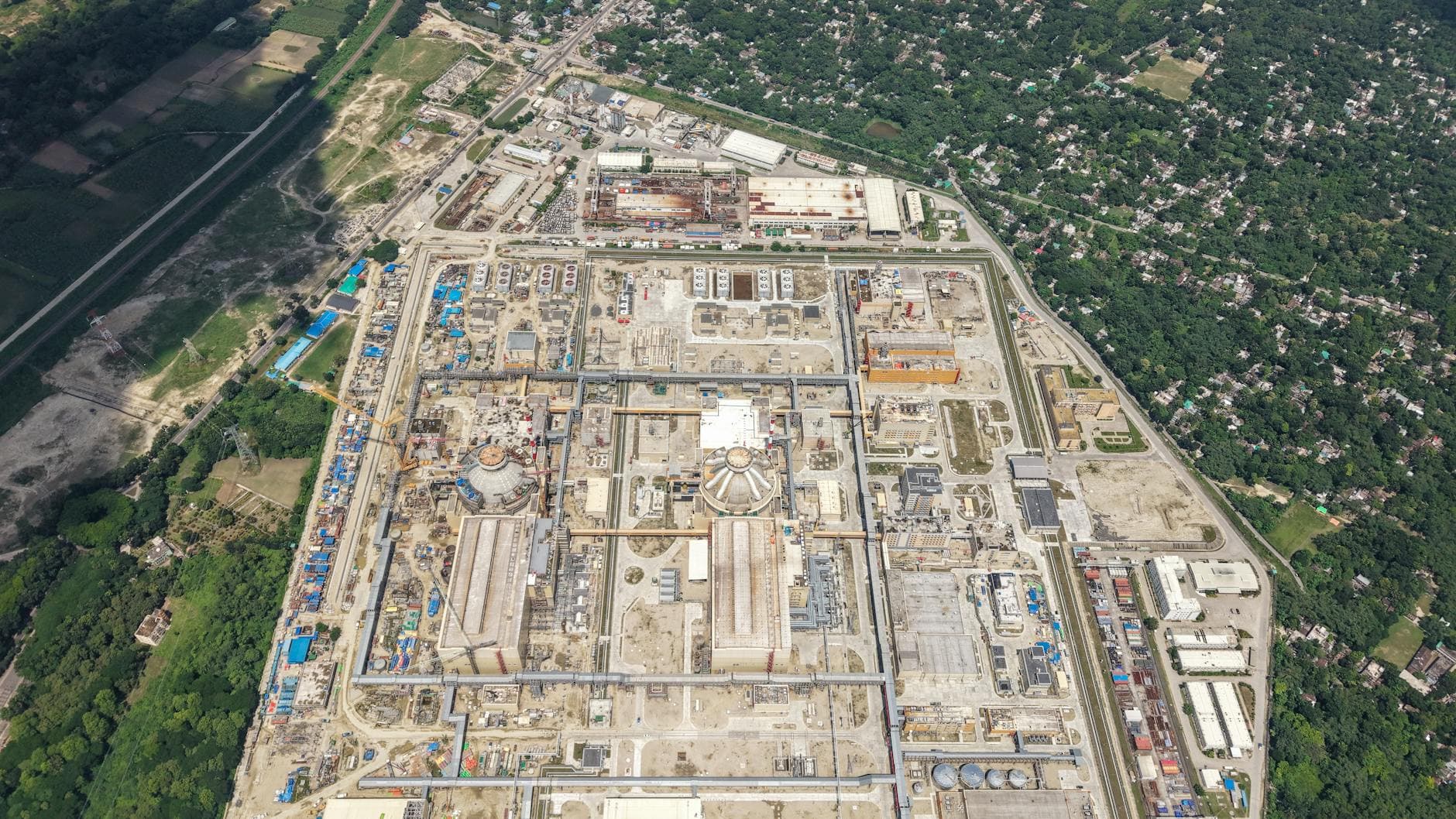
Blue Energy says the U.S. Nuclear Regulatory Commission recently approved its construction approach, following a regulatory milestone the company announced on Jan. 8, 2026 that it said could cut at least five years from a conventional nuclear timeline and bring power online in 48 months or less using a natural-gas bridge. The timing fits Texas, where the Public Utility Commission’s Advanced Nuclear Reactor Working Group said in its Nov. 18, 2024 final report that the state could become a global leader in advanced nuclear if it pairs new regulation, siting changes and financial support with a $350 million grant program.
The bigger question is whether Blue Energy is really a nuclear story or a manufacturing story. A 2023 study found that both large and small light-water reactor projects remain vulnerable to delays even with modularization. Blue Energy’s pitch is that shipyards can finally make those lessons matter. If it works in Texas, it would signal something larger than a single plant: that the U.S. can rebuild industrial capacity for clean energy on a timeline the grid can actually use.
This article was produced by Prism’s automated news system from verified source data, official records, and press releases, then run through automated quality and moderation checks before publishing. The system is built and supervised by the people who set the standards it runs under. Read our full AI policy.
Did this article answer your question?

