Karex plans 20% to 30% condom price hike as war raises costs
Karex said it would lift condom prices 20% to 30% as war-driven freight costs and raw material spikes threatened supply for consumers and public-health buyers.
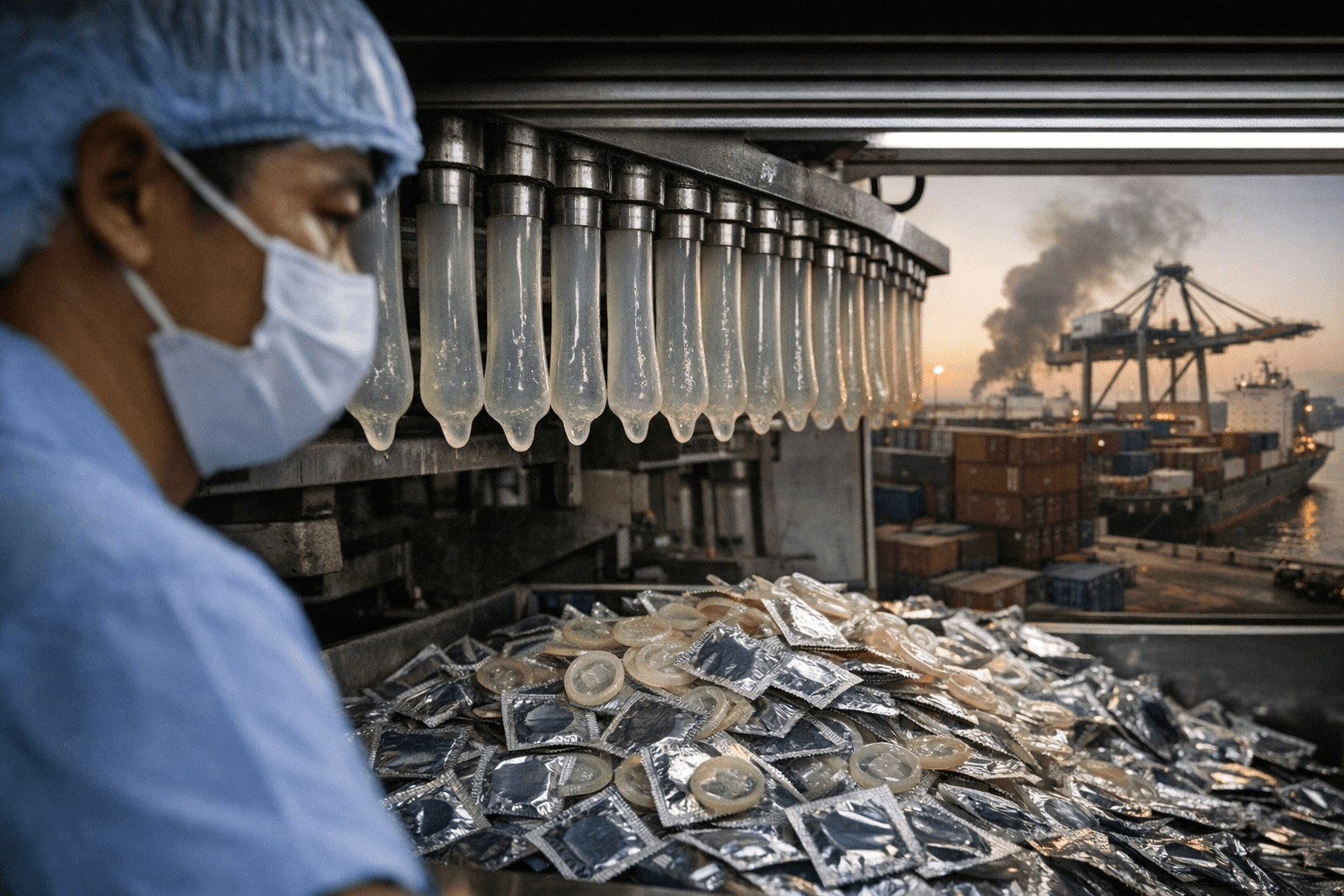
A basic health product used by consumers, clinics and aid agencies was headed for a sharp price jump after Karex Bhd said war-linked supply shocks had pushed up the cost of making condoms around the world. The Malaysia-based company said it planned to raise prices by 20% to 30%, with more increases possible if disruptions continued.
Karex, the world’s largest condom producer, makes more than five billion condoms a year and supplies global brands including Durex and Trojan. The company also supplies Britain’s NHS and United Nations aid programmes, which means the higher costs could reach both retail shelves and public-health procurement.
Chief executive Goh Miah Kiat said the Iran war had lifted freight costs and slowed shipping, leaving many customers with lower stockpiles than usual. He said Karex had no choice but to pass the costs on to customers for now. The company also said demand for condoms had surged at the same time, tightening pressure on an already strained supply chain.
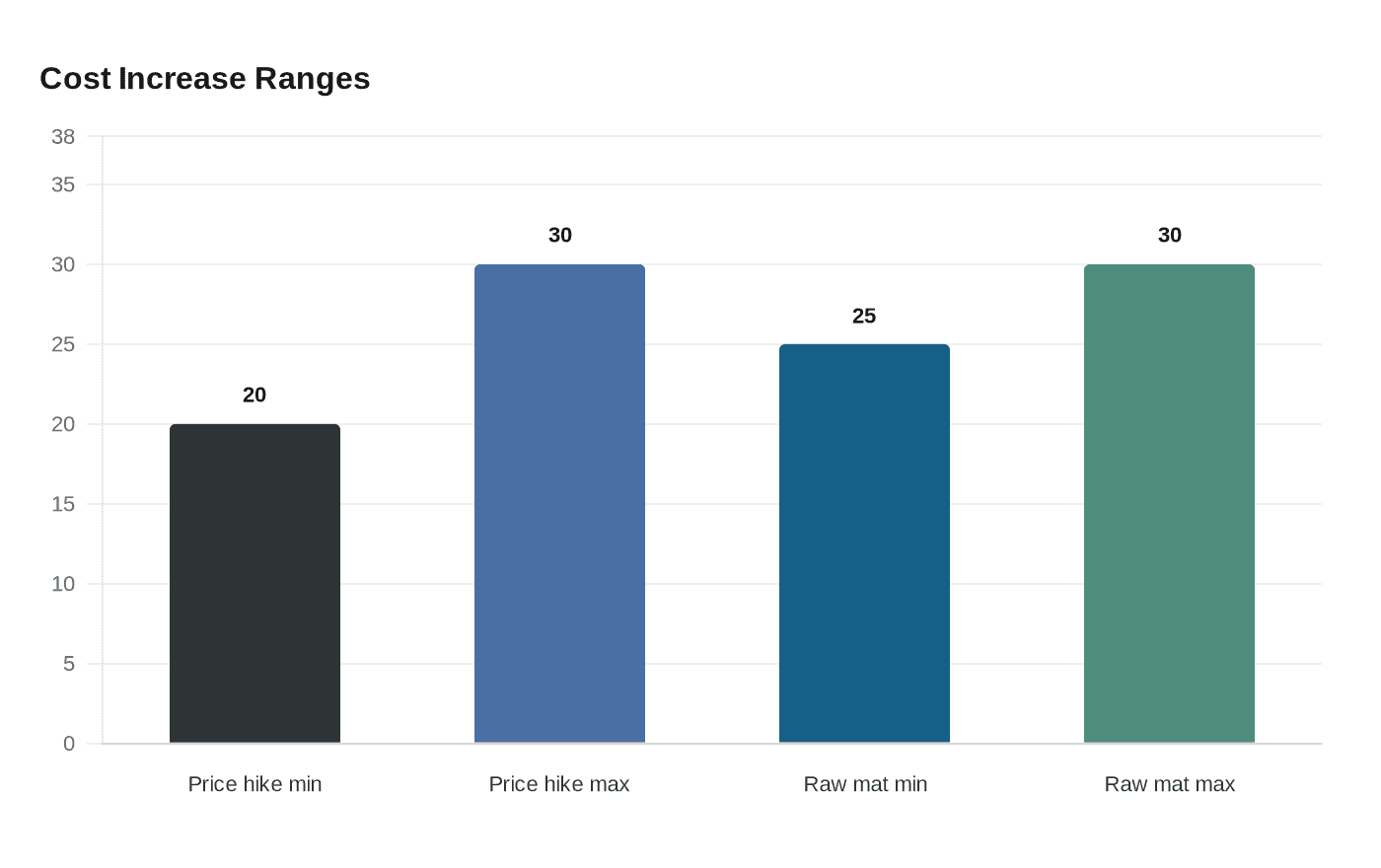
The squeeze has not been limited to transport. Karex said key raw materials, including aluminum, foil and silicone oil, had climbed 25% to 30% since the start of the war nearly two months ago. Those inputs are central to manufacturing and packaging, so higher prices can quickly ripple through the final cost of a box of condoms.
The planned increase carries broader implications for contraception access, especially in public-health channels that buy in bulk and rely on stable prices. Karex’s position as a major supplier to commercial brands and international health systems gives the price move an outsized reach, from pharmacies and supermarkets to clinics and relief programmes.
Karex is based in Malaysia and is listed on the Main Market of Bursa Malaysia Securities Berhad. As the war continues to reshape shipping routes, freight rates and raw-material markets, the company signaled that its own pricing may climb further if the pressure does not ease.
This article was produced by Prism’s automated news system from verified source data, official records, and press releases, then run through automated quality and moderation checks before publishing. The system is built and supervised by the people who set the standards it runs under. Read our full AI policy.
Did this article answer your question?

