Oil Prices Steady as Trump Extends Iran Cease-fire, Markets Watch Hormuz
Oil held near $100 as Trump extended the Iran cease-fire, but tanker risk in the Strait of Hormuz kept traders on edge and fuel costs in focus.
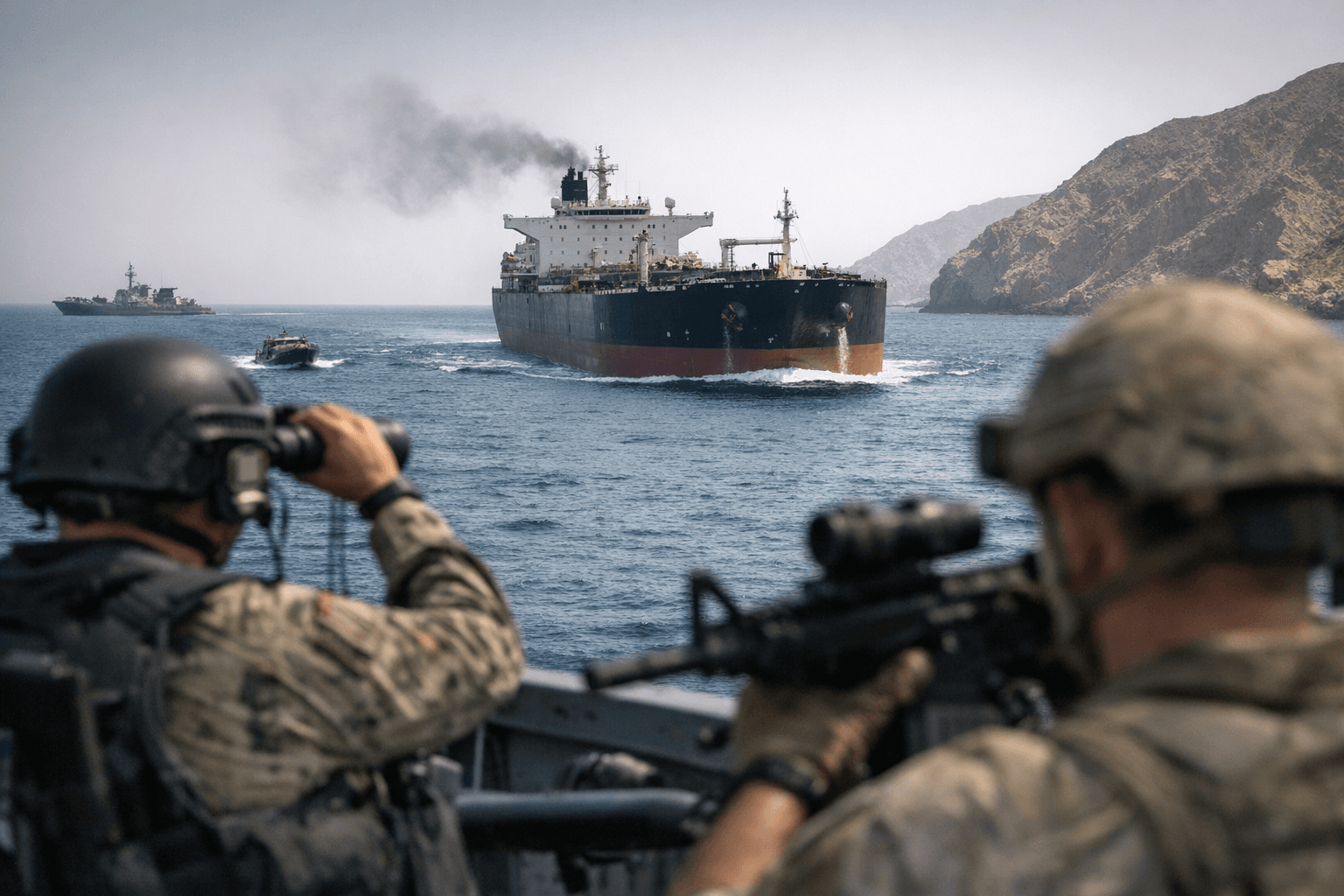
Oil prices steadied near $100 a barrel as President Donald Trump’s decision to extend the cease-fire with Iran eased the chance of an immediate rupture without removing the risk premium from the market. Brent and West Texas Intermediate had already whipped higher earlier in the week, and Brent briefly hit a session high of $101.15 before gains were pared back as traders tried to decide whether the truce extension bought time or merely delayed the next shock.
Trump said on Tuesday, April 21, 2026, that the United States would indefinitely extend the fragile cease-fire until Iranian leaders came up with a unified proposal. The wording mattered to traders: it signaled that Washington was keeping pressure on Tehran while also avoiding a direct return to open conflict. Oil had plunged when the initial two-week cease-fire was announced on April 8, then rebounded sharply as the deadline approached and markets began to price in the possibility of renewed disruption to Middle East supply.
The main focus remained the Strait of Hormuz, the world’s most important oil chokepoint. Tanker traffic through the waterway had been severely constrained, and shipping risk stayed elevated even after the cease-fire extension. Reports of renewed attacks on vessels in or near the strait added to the unease, while U.S. blockade measures remained in place until Tehran’s leaders produced what Trump described as a unified proposal. That combination left energy traders reluctant to call the situation stable, even as the immediate threat of escalation receded.
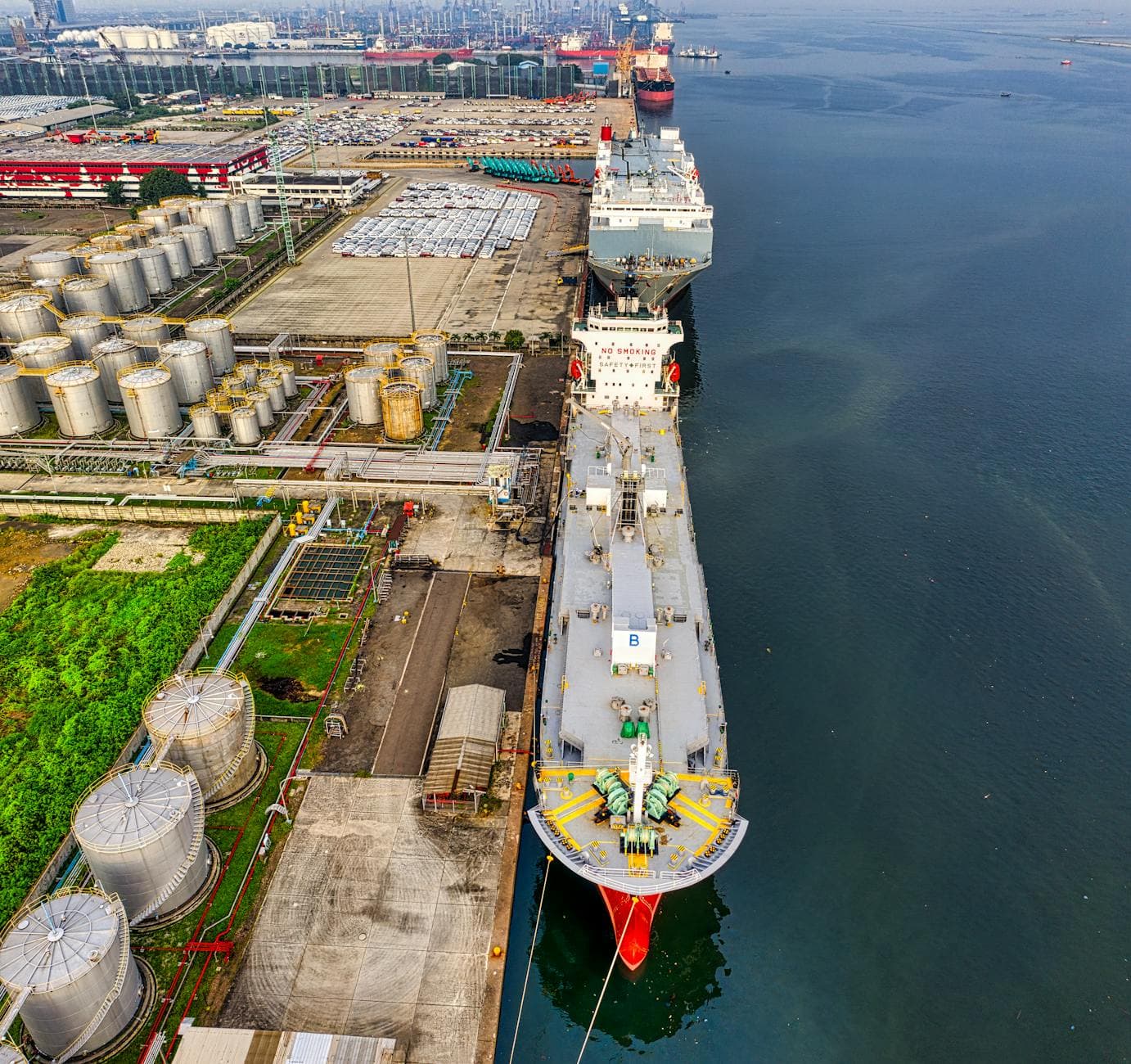
The economic stakes reach well beyond crude itself. The International Energy Agency warned that the energy crisis tied to the Hormuz disruption was structurally reshaping the oil market, a sign that supply chains had not snapped back to normal even if the waterway reopened. Higher crude prices tend to filter into gasoline, jet fuel and freight costs, which is why a move toward $100 a barrel matters for households as much as for refiners and shippers. It also feeds inflation expectations at a time when central banks remain sensitive to fresh price pressure.
Financial markets reflected that uncertainty. U.S. stock futures rose and the dollar wavered after Trump’s announcement, while European shares were largely steady. Iranian officials and advisers dismissed the extension as a delay tactic, with one adviser to the speaker of Iran’s parliament calling it “a ploy to buy time” for a surprise strike. That skepticism underscored the market’s central fear: the cease-fire may have extended the timeline, but it did not close the gate on supply risk.
This article was produced by Prism’s automated news system from verified source data, official records, and press releases, then run through automated quality and moderation checks before publishing. The system is built and supervised by the people who set the standards it runs under. Read our full AI policy.
Did this article answer your question?

