Blue Note Owner Bensusan Files Trademark Suit Against Pannell in Ohio
Bensusan Restaurant Corp. filed a trademark suit in Ohio against Pannell, a move that could disrupt venues, musicians and staff who use the Blue Note name.
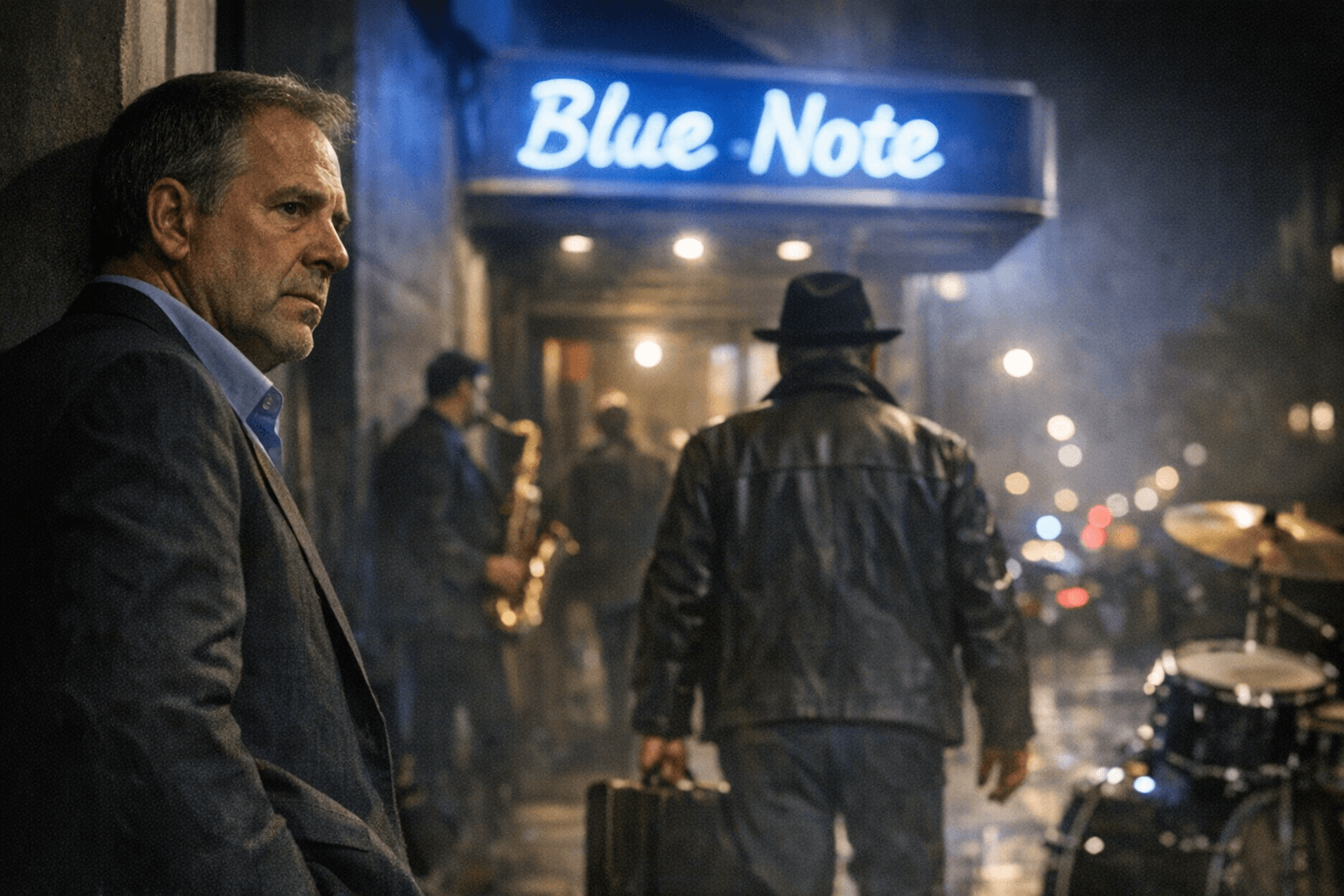
Bensusan Restaurant Corp. has launched a new federal trademark action against an individual named Pannell in Ohio, escalating a long-running dispute over the Blue Note restaurant marks that could ripple through venue operations and staffing. The company filed the case in the United States District Court for the Southern District of Ohio on Feb. 11, 2026, identified in a report as Bensusan Restaurant Corp. v. Pannell. Law.com Radar described the plaintiff as "Bensusan Restaurant Corp. (owner of the iconic Blue Note/related restaurant marks)."
The Ohio filing arrives alongside a separate body of litigation and commentary tied to earlier suits in New York involving a defendant surnamed King. Legal summaries and case histories note that "Bensusan then sued King in the United States District Court for the Southern District of New York, alleging violation of Bensusan's trademark." Casebriefs records that "Plaintiff filed suit in the United States District Court for the Southern District of New York for trademark infringement and sought trebled compensatory" damages. Law Justia summarizes the New York complaint as listing multiple causes of action: "Bensusan brought this action asserting claims for trademark infringement, trademark dilution and unfair competition. King has now moved to dismiss the action."
The new Ohio complaint is described more generally in the reporting as a "trademark/related claim"; the available excerpt does not include a docket number, a detailed list of counts, or the specific relief Bensusan is seeking in the Pannell case. Nor do the supplied excerpts establish whether the Ohio filing is legally or factually tied to the New York matters involving King. Those gaps leave immediate questions about whether the Ohio suit aims at online use, local signage, ticketing, merchandise, or other conduct that could directly affect front-of-house and back-of-house staff, musicians, promoters and managers.
For restaurant and venue workers, trademark litigation can translate into practical disruptions: rebranded menus and signage, cancelled or shifted bookings for live acts, changes to marketing and ticketing platforms, and last-minute managerial directives that affect scheduling and pay. Musicians and booking agents who rely on the Blue Note name for branding or venue recognition could face cancelled engagements if a court orders changes or if operators preemptively alter operations to avoid liability.
Next steps include obtaining the full Ohio complaint and public docket entries to learn the specific allegations and requested relief, and monitoring outcomes in the New York proceedings where motions to dismiss have already been filed. For employees and managers at venues using the Blue Note brand, the immediate takeaway is to expect uncertainty: keep records of bookings and agreements, and watch for official notices from employers about any operational changes tied to the litigation. The presence of parallel filings in Ohio and New York suggests the dispute could play out across jurisdictions, with potential operational consequences for workers even before any final legal resolution.
Know something we missed? Have a correction or additional information?
Submit a Tip