Nearly Half of U.S. Restaurants Lost Money in 2025, Report Finds
42% of U.S. restaurants reported no profit in 2025, and the math is brutal: breaking even would require a 23.8% price hike most customers won't tolerate.

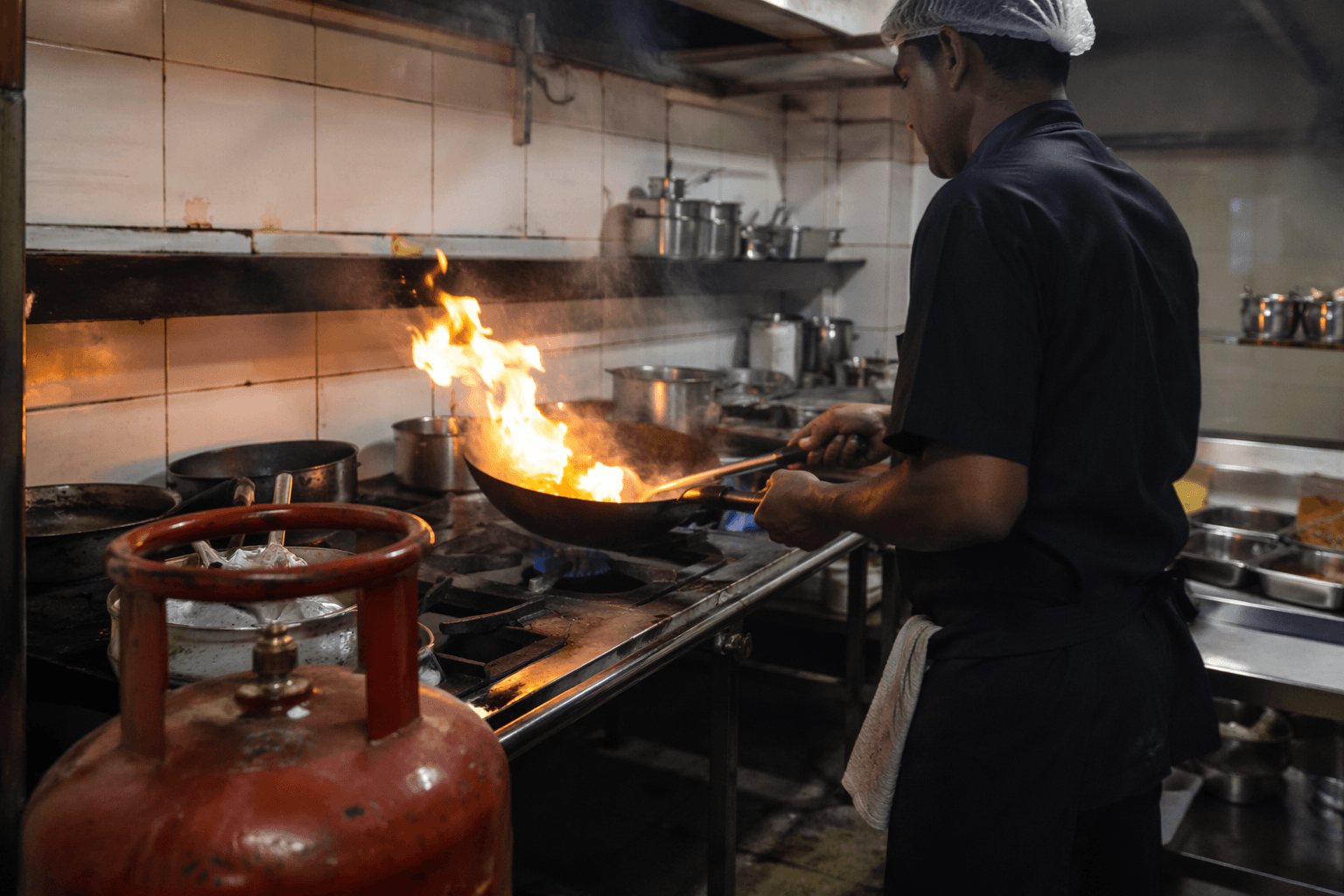
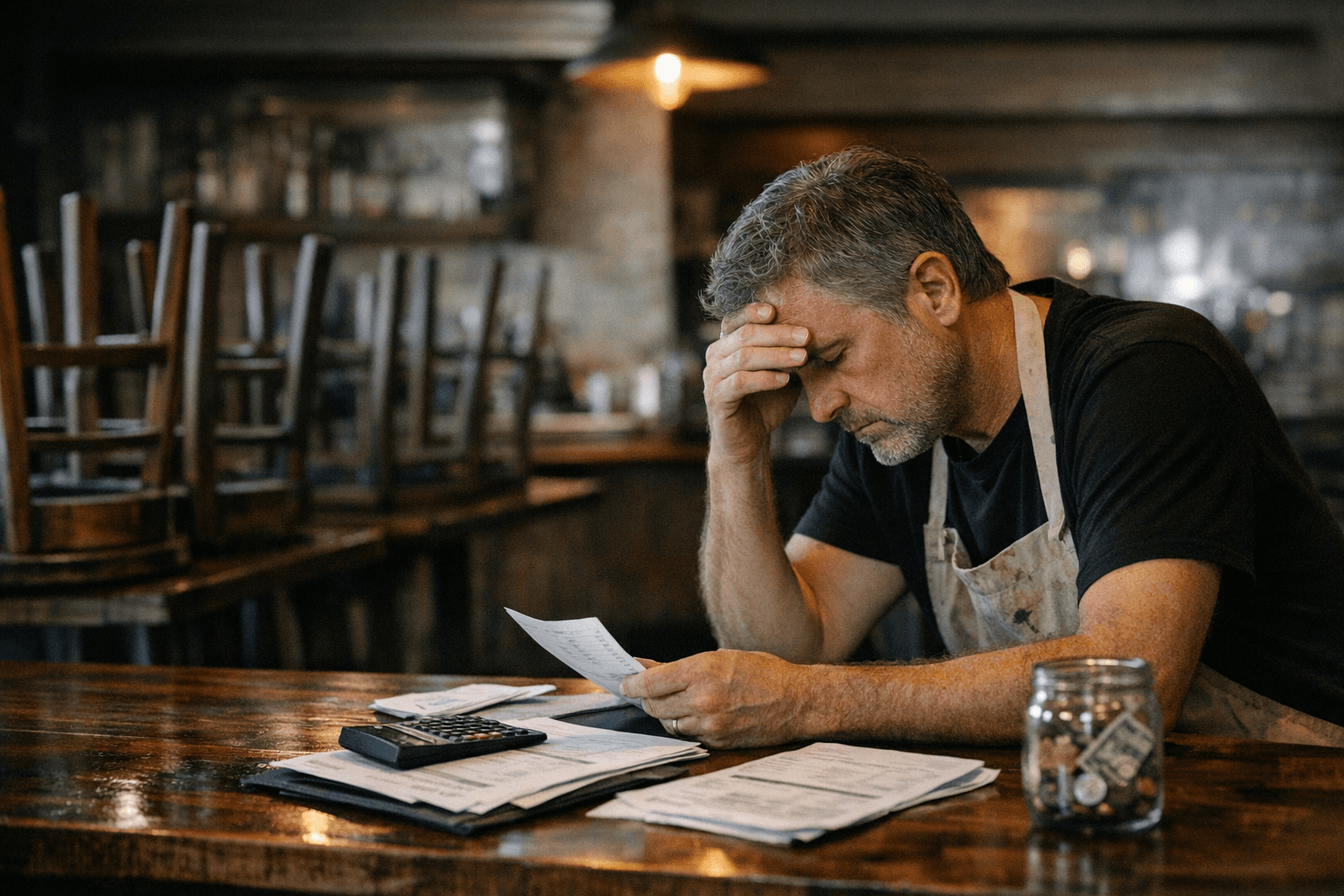
Forty-two percent of U.S. restaurants reported they were not profitable in 2025, according to new data from the National Restaurant Association and the James Beard Foundation Institute, even as sales technically grew during the year. The findings expose a widening gap between top-line revenue and what actually reaches the bottom line, with food, labor, insurance, utilities, rent, technology, and transaction fees consuming margins that were already razor-thin before costs began their post-pandemic climb.
"It's been a pretty challenging year for restaurants," said Chad Moutray, chief economist for the National Restaurant Association. "We've seen costs rise pretty significantly for food, for labor costs, just a whole host of costs across the board."
The National Restaurant Association estimates that food and labor costs have each risen 35% since 2019, based on government data and operator surveys. An illustrative calculation from the association shows the severity of the bind: a restaurant that previously earned a pre-tax income of 5% of sales, or roughly $75,000, would now register a pre-tax loss of $356,640, nearly 24% of sales, if prices and sales volumes stayed flat. Closing that gap entirely would require a menu price increase of 23.8%, and even that would only produce breakeven, not profit.
The problem is that a price increase of that magnitude would likely accelerate customer losses. The James Beard Foundation Institute's State of Independent Restaurants Report, produced in collaboration with Deloitte, found that restaurants raising menu prices by more than 10% were most likely to report lower profits and expect fewer customers. Pricing elasticity, the report noted, "has all but evaporated for indies."
Anne McBride, vice president of impact at the James Beard Foundation, described the situation as a structural tipping point. "Chefs and operators feel that they can no longer pass on any additional increasing costs to their customers. We really hit a spot where consumers, diners, cannot pay any more at restaurants than they already are," she said.
The sentiment is reflected across the industry. According to Nation's Restaurant News, 60% of operators said business conditions deteriorated in 2025, while just 15% said conditions were better than in 2024. Staffing pressure compounds the financial stress: 49% of restaurant operators reported some level of staffing shortage, according to the James Beard report.
Moutray noted that costs are hitting from multiple directions beyond food and labor. "It's not just those costs. We've seen insurance and taxes and everything else go up, utility costs, et cetera," he said, adding that "those extra costs have really eaten into the bottom line."
Chefs and operators across the industry describe working in a state of "near-constant adjustment to protect quality and experience while absorbing unplanned cost increases," according to the James Beard Foundation Institute and Deloitte report. In practice, that means cutting hours, tightening menus, rethinking staffing, and shelving expansion plans in favor of protecting cash flow.
Consumer behavior is shifting alongside the financial pressure. Americans are dining out less as affordability concerns grow, and those who do visit restaurants are spending less per check. Moutray noted a pull toward comfort foods, including smashed burgers, soups, and meatloaf, while the popularity of weight-loss drugs is also pushing some diners toward cleaner, protein-forward options. "I think you are certainly seeing some restaurants that are leaning into protein, maybe leaning into smaller portion sizes, or appetizers and things along those lines," he said.
In major markets, macro-level uncertainty is adding another layer. Moutray pointed specifically to Washington, D.C.: "Here in the D.C. area, obviously, we've had a lot of uncertainty with DOGE and government shutdowns and a lot of other kind of headwinds that have really hit the sector hard."
The National Restaurant Association's State of the Restaurant Industry report for 2026 projects sales growth of only 1.3% this year. With required price increases to cover costs far exceeding what customers will absorb, and sales growth projected to remain modest, operators who survived 2025 largely did so by shrinking, not expanding.
This article was produced by Prism’s automated news system from verified source data, official records, and press releases, then run through automated quality and moderation checks before publishing. The system is built and supervised by the people who set the standards it runs under. Read our full AI policy.
Did this article answer your question?