Burger chains split as Shake Shack and Culver's gain share
Limited-service burger sales grew just 2% in 2025, but Shake Shack, Culver’s and In-N-Out kept taking share as weaker chains squeezed labor and menus.

Burger chains are splitting into two very different businesses: brands with enough pricing power and guest demand to keep hiring, and brands under enough pressure to trim hours, tighten labor budgets and simplify menus. The category grew just 2% in 2025 even as beef costs stayed elevated and diners kept shifting toward chicken and other value options, a mix that leaves little room for sloppy execution in the kitchen or at the drive-thru.
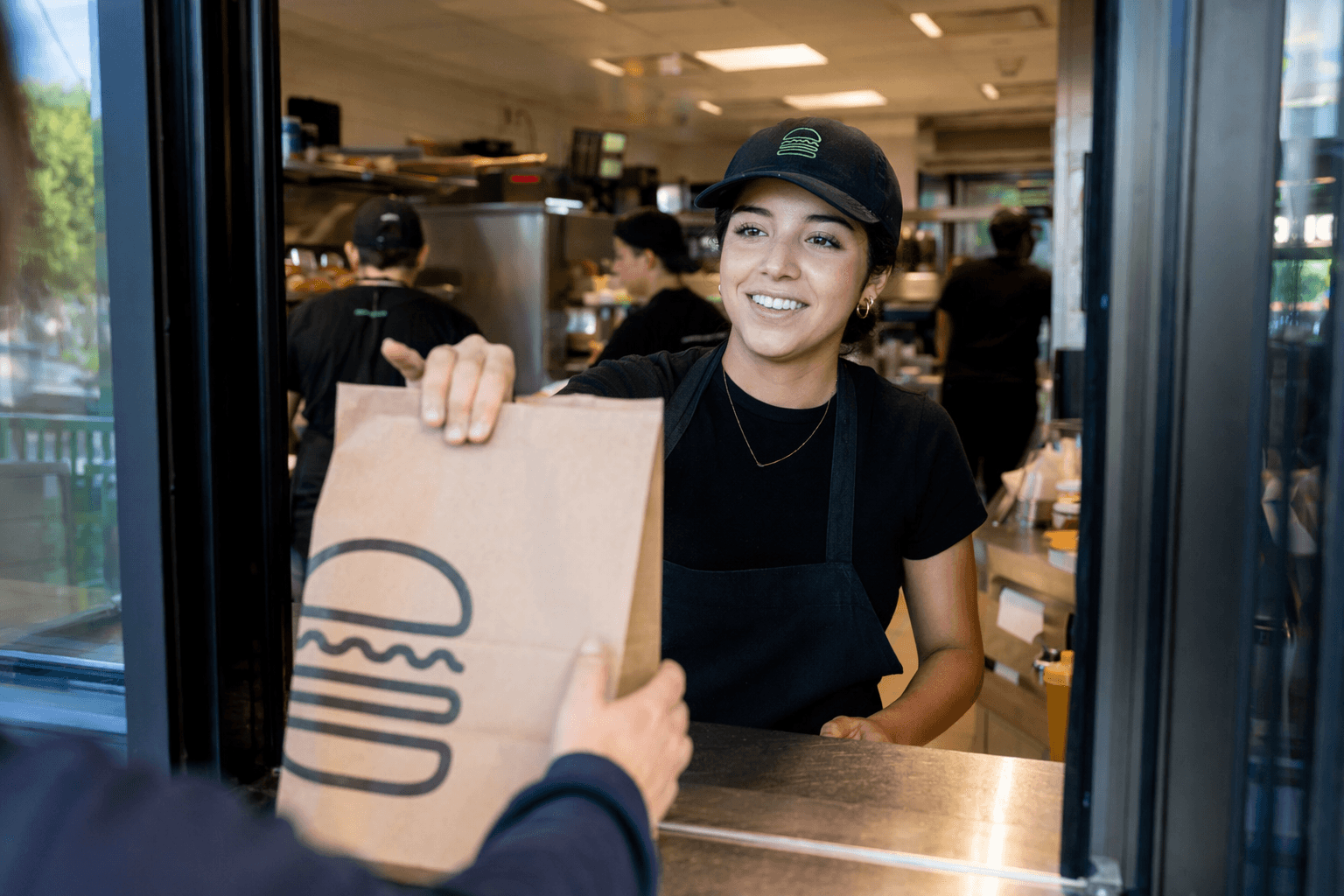
That divide matters on the floor. In burger restaurants, speed of service, order accuracy and drive-thru flow become more valuable when margins are tight, which means labor decisions quickly turn into operating decisions. Stronger chains can absorb some cost pressure by staffing up for growth and training harder to keep service consistent. Weaker brands often respond by asking managers to run leaner shifts, cut complexity and do more with less. The pressure lands on the same people taking orders, flipping patties and covering breaks.
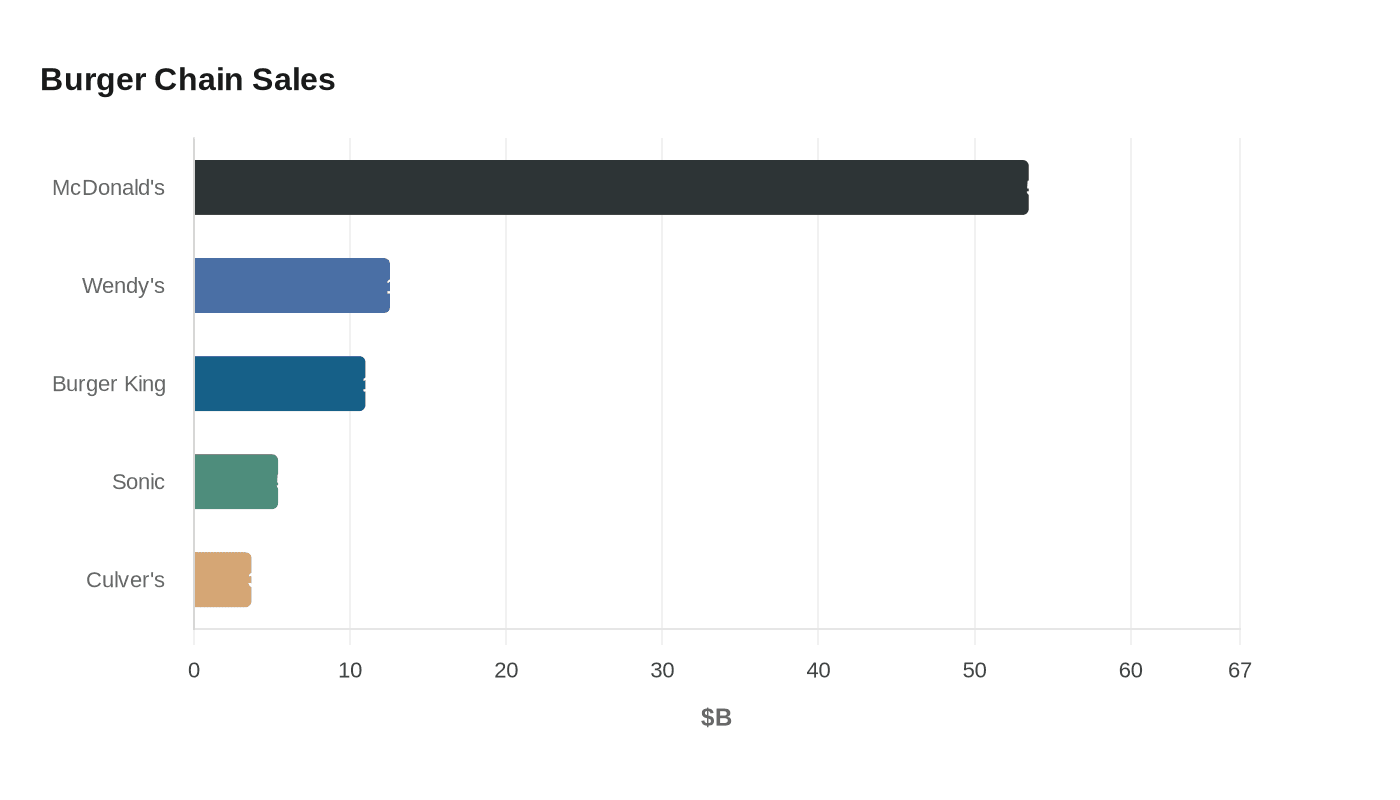
The biggest player still sets the tone. McDonald’s accounts for close to half of the $113 billion in burger-chain sales cited in the market data, and QSR Magazine’s 2025 Top 50 put the chain at about $53.469 billion in U.S. system sales, far ahead of Wendy’s at $12.554 billion, Burger King at $10.980 billion, Sonic Drive-In at $5.384 billion and Culver’s at $3.680 billion. McDonald’s said global systemwide sales rose 7% in 2025 to more than $139 billion, while loyalty-member systemwide sales reached nearly $37 billion across 70 loyalty markets. That is a reminder that even the category giant still depends on traffic, digital engagement and price-value discipline to keep restaurants moving.
Shake Shack is the clearest example of a chain using growth to strengthen its position. The company opened 45 new company-operated Shacks and 40 licensed Shacks in fiscal 2025, ended the year with 373 company-operated restaurants and guided to open another 55 to 60 Shacks in 2026. In January 2025, Shake Shack raised its long-term addressable-market forecast from 450 company-operated Shacks to 1,500, and it said same-Shack sales rose 2.3% in fiscal 2025. That kind of expansion brings more hiring, more training and more pressure on managers to protect consistency as volume builds.
Culver’s is also gaining ground, with more than 1,000 mostly franchised locations as of May 2025. The brands that are winning now are the ones that can keep guests coming back without breaking labor discipline. The ones that are lagging are likely to feel the squeeze first in the schedule, the menu and the manager’s clipboard.
This article was produced by Prism’s automated news system from verified source data, official records, and press releases, then run through automated quality and moderation checks before publishing. The system is built and supervised by the people who set the standards it runs under. Read our full AI policy.
Did this article answer your question?