Fast-food margins squeeze franchisees as beef costs and value wars bite
Margin pressure at Wendy’s, Burger King and McDonald’s is already showing up as shorter shifts, tighter scheduling and tougher breakfast decisions for restaurant workers.

The squeeze is moving from the balance sheet to the floor
Fast-food operators are getting hit from both sides: value wars are forcing discount-heavy menus, while beef and other commodity costs keep eating into what little room is left. The immediate consequence is not just weaker earnings in Dublin, Ohio or Chicago, Illinois, but tighter labor decisions at the unit level, where franchisees decide whether to cut hours, delay hiring, or slow spending on training and repairs.
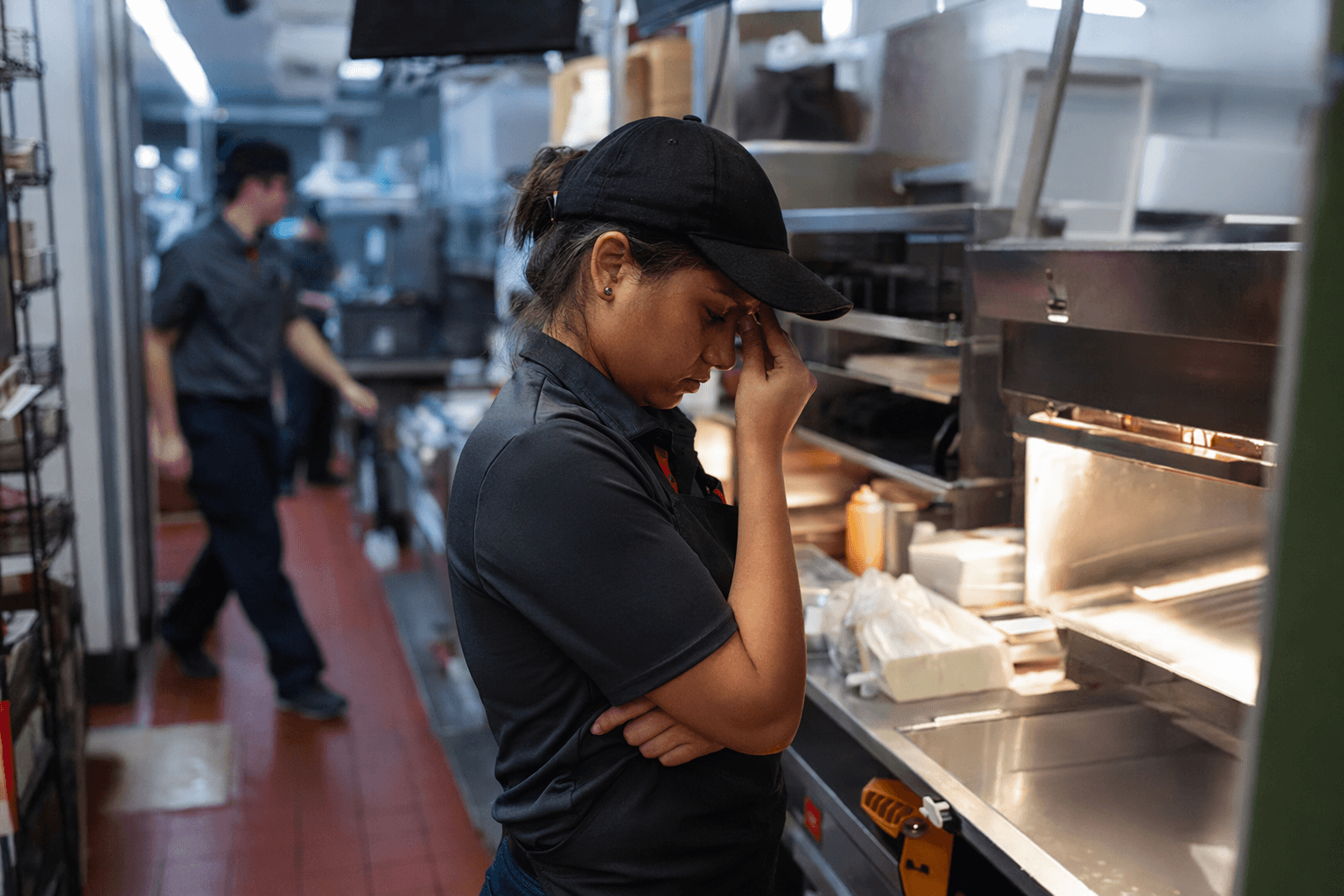
That is why this story matters to cooks, cashiers, shift leads, and general managers. When a store’s economics soften, the first response is often not a headline-grabbing closure. It is a quieter reset in the dining room and kitchen: fewer people on a close, fewer hours on the schedule, more pressure to upsell every order, and less tolerance for downtime when equipment breaks or labor runs long.
Wendy’s is the clearest warning sign
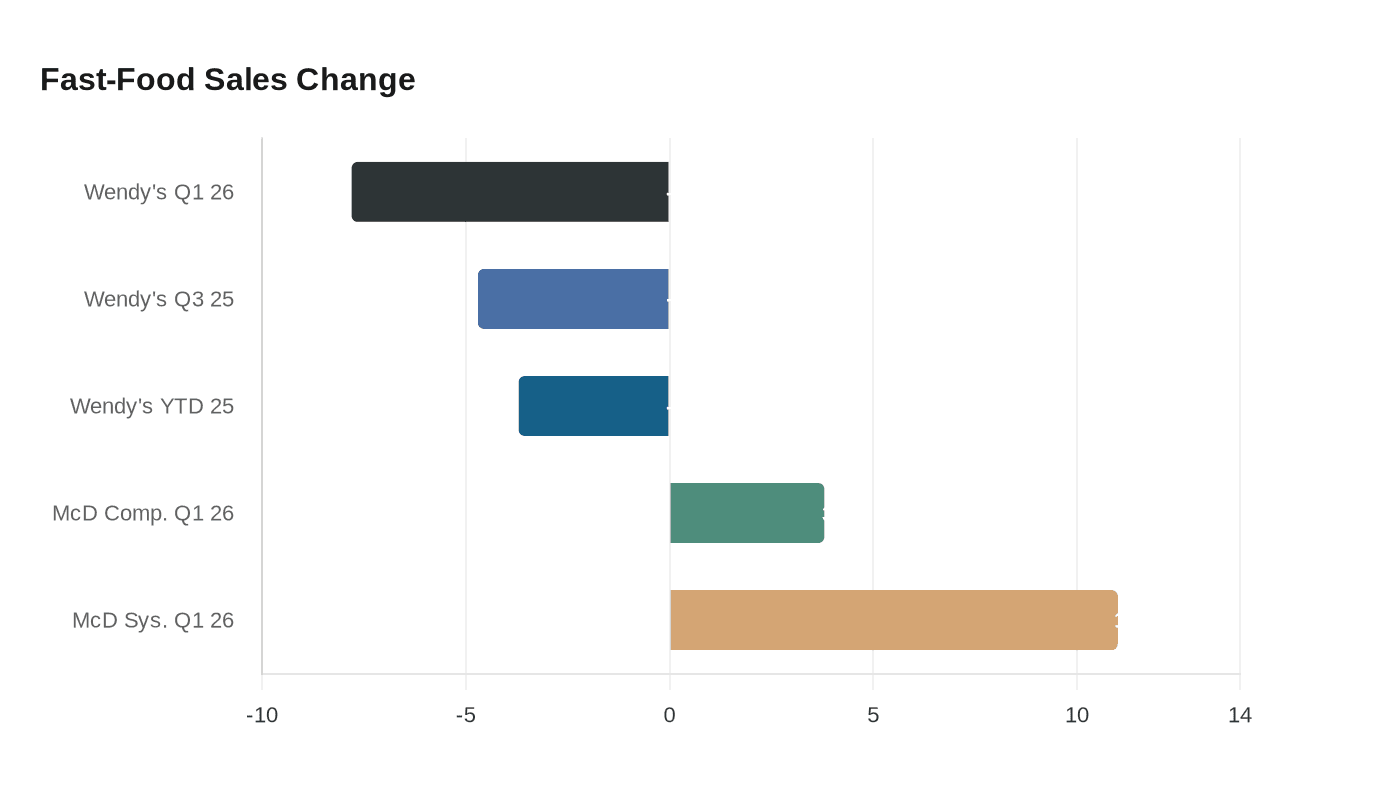
Wendy’s has become the most visible example of how a fast-food brand’s sales slump turns into pressure on restaurant labor. In the first quarter of 2026, The Wendy’s Company reported global systemwide sales of $3.2 billion, down 5.5% year over year, while U.S. same-restaurant sales fell 7.8%. The company said it was taking “decisive action” to strengthen the system, but those moves sit against a weaker operating backdrop that is already being felt in stores.
The decline did not start this year. Wendy’s U.S. same-restaurant sales fell 4.7% in the third quarter of 2025, and year-to-date U.S. same-restaurant sales were down 3.7%. Quarter-end U.S. restaurant count also slipped to 5,979 from 6,011 a year earlier. Restaurant Business reported in February 2026 that Wendy’s U.S. same-store sales fell 11.3%, the worst result in at least 20 years, as the chain closed restaurants and eased breakfast hours at some locations.
For workers, that breakfast detail matters. Breakfast is one of the most labor-sensitive parts of the day, especially in smaller stores where the same crew may already be setting up for lunch. Suzanne Thuerk said there was a wide range of profitability results across the system, which helps explain why some franchisees are opting out of breakfast. In practice, that can mean fewer early shifts, less prep work before dawn, and a narrower path for employees who depend on breakfast hours to build a full week of work.
The pressure is also showing up in franchisee economics. Restaurant Business reported that Wendy’s franchisee net sales declined 6% in 2025, while EBITDA margins fell 270 basis points to 9.3% of sales. Company-operated margins fell to 11.4% of sales in the same broad period. When margins move like that, operators usually look first at labor because payroll is the most flexible cost on the P&L. That can translate into stricter scheduling, leaner staffing on slow dayparts, and more scrutiny over overtime and call-ins.
Wendy’s also said it entered a franchise agreement to build up to 1,000 restaurants in China. That expansion may help the brand’s long-term footprint, but it does not ease the day-to-day squeeze for U.S. franchisees trying to cover rising food costs and maintain enough people on the floor.
McDonald’s shows what happens when the corporation can still grow, but stores feel pinched
McDonald’s first-quarter 2026 results underline that sales growth at the corporate level does not always mean comfortable economics inside the restaurants. The company reported global comparable sales growth of 3.8% and global systemwide sales growth of 11% year over year. Yet management still described U.S. company-operated margins as “not acceptable,” and said it was reviewing whether some restaurants should be franchised instead of company-owned.
That shift matters to workers because it shows how quickly the company can move from operating restaurants directly to changing the ownership model when margins compress. If a store is franchised, labor standards, scheduling practices, and investment priorities can change with the new operator. It also signals that management is willing to alter the structure of the business rather than simply absorb weaker store economics.
For employees, the practical meaning is straightforward. A company-owned store under margin pressure may tighten labor and capital spending. A franchised store under similar pressure may push even harder on labor costs, because the franchisee has to protect cash flow without the cushion of corporate ownership. Either way, the result is often the same on the floor: leaner staffing, faster pace, and more pressure to do the same work with fewer hands.
Burger King franchisees are still fighting for breathing room
Burger King’s economics have been under pressure for a while, and the latest numbers help explain why some franchisees have leaned toward profitability-first changes instead of pure growth. Restaurant Brands International-related reporting shows average U.S. Burger King franchisee EBITDA was about $205,000 in 2024, flat from 2023 and up from $140,000 in 2022. That is improvement on paper, but still not much cushion for operators facing higher food, wage, and borrowing costs.
Other reporting said Burger King franchisee cash flow fell about 10%, a sign that cash left after expenses is getting tighter even where EBITDA appears stable. The backdrop has also included bankruptcy stress among large operators. Consolidated Burger Holdings, a large Burger King franchisee, filed for bankruptcy in April after operating 57 locations.
For hourly workers and managers, that kind of stress tends to show up in predictable ways. Franchisees may push more aggressive sales targets, cut back on overtime, or resist wage increases and benefit improvements. They may also slow hiring, keep openings unfilled longer, or reduce hours for newer employees before trimming veteran staff. In restaurants built on thin labor margins, even small cash-flow problems can change the weekly schedule fast.
What this means for restaurant workers now
The pattern across Wendy’s, McDonald’s, and Burger King is the same: when value promotions and commodity inflation squeeze margins, labor becomes the adjustment point. That is why workers should watch for changes that may not be announced as cuts, but feel like them in practice:
- Breakfast hours getting trimmed or shifted later
- Smaller lunch and dinner crews during slow periods
- More pressure to cross-train and cover multiple stations
- Delayed repairs on fryers, drink machines, or HVAC equipment
- Tighter approval for overtime, shift swaps, and call-outs
- Stronger pressure to push combo meals, add-ons, and upsells
The bigger industry story is not just that profits are thinner. It is that the cost pressure is filtering down to the places where restaurant workers feel it first: the schedule, the speed of service, and the number of people left to keep a dining room, drive-thru, or breakfast line moving. When franchisees start protecting every dollar, the floor usually gets leaner long before the brand admits how bad the squeeze has become.
This article was produced by Prism’s automated news system from verified source data, official records, and press releases, then run through automated quality and moderation checks before publishing. The system is built and supervised by the people who set the standards it runs under. Read our full AI policy.
Did this article answer your question?