BMW cuts 2026 outlook as China downturn and Iran war hit profits
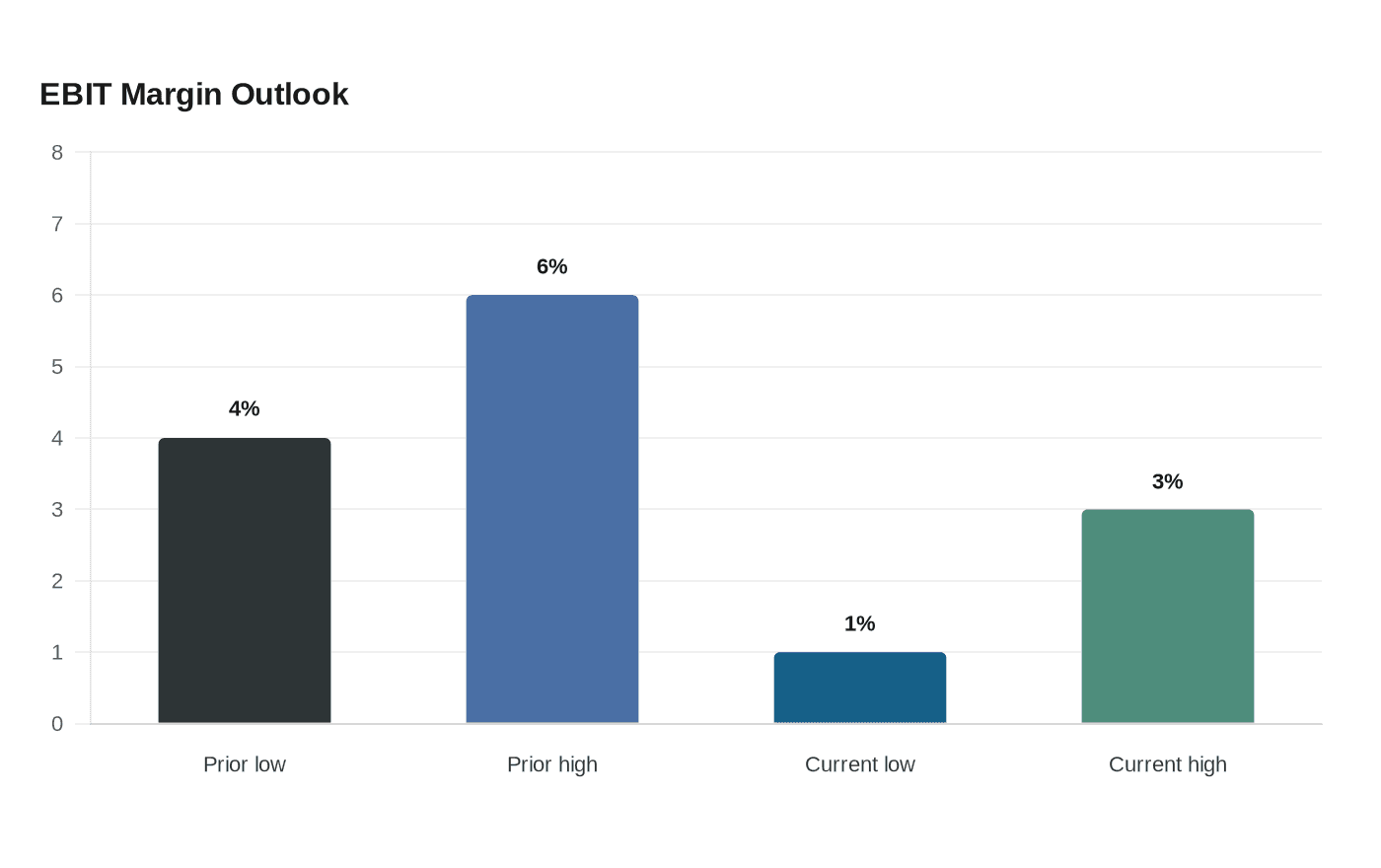
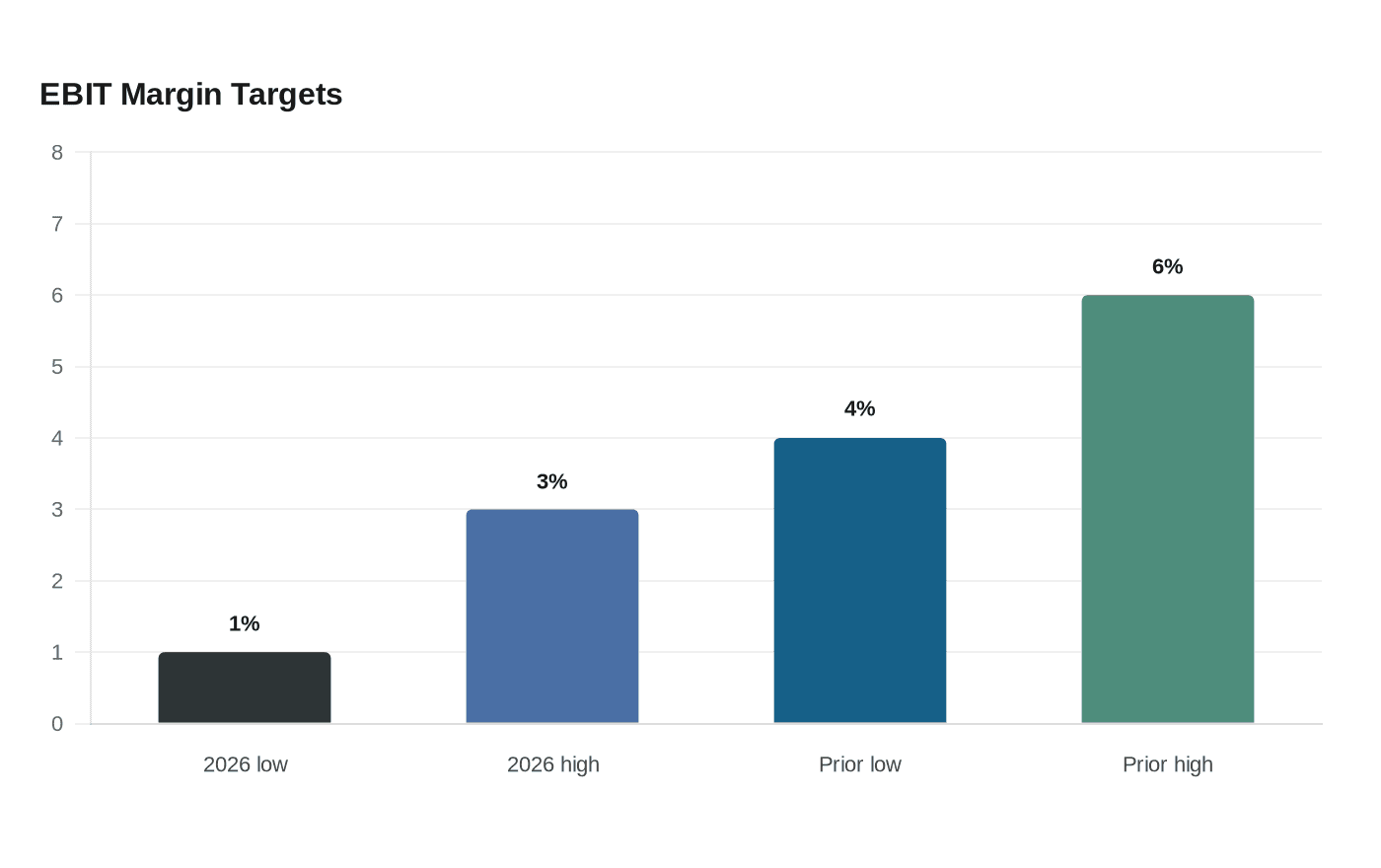
BMW slashed its 2026 margin target to 1% to 3% as China’s slump deepened and Middle East conflict lifted energy costs, sending shares down 6.6%.
BMW’s latest warning reads like a stress test for the global economy. The Munich carmaker cut its 2026 outlook on Tuesday after a sharper-than-expected slump in China and the fallout from the Iran war squeezed the premium segment from both sides, sending BMW shares down 6.6%.
BMW now expects an automotive EBIT margin of 1% to 3% in its core car division, down from a prior target of 4% to 6%. It also shifted its delivery view to a slight decline in core volumes for 2026, from a previous expectation that deliveries would be roughly flat versus 2025. Group profit before tax is now expected to fall significantly, meaning a drop of more than 15%, a much steeper warning than the moderate decline BMW had previously guided for.

The company said the negative development in China accelerated further in the second quarter, with the China Passenger Car Association repeatedly lowering its full-year market forecast, including another cut on Monday before BMW’s warning. BMW said positive sales growth in Europe and the United States cannot make up for the weakness in China and the wider Asia-Pacific region. That matters because China remains the biggest battleground for German automakers, and BMW is now finding that strength in Western markets is not enough to balance a deep drop in the world’s largest auto market.
BMW also pointed to the conflict in the Middle East, saying it hurt consumer sentiment and raised energy costs. For an industry that depends on complex supply chains, heavy manufacturing and big-ticket consumer spending, that is a painful combination. Higher fuel and logistics costs can hit margins quickly, while weaker sentiment can delay purchases of expensive vehicles, especially in the premium segment where BMW sells much of its lineup.
Chief executive Milan Nedeljković said BMW would intensify and accelerate cost-cutting and adjust its structures and processes to what he described as a drastic downturn in market conditions. The company also said those structural and efficiency measures will create a one-time negative effect in the second half of 2026. BMW plans to give more detail at a Capital Markets Day in the last week of September.
The downgrade suggests BMW is not alone. Volkswagen and Mercedes-Benz have also been hurt by weak China demand, trade barriers and missteps in electrification, pointing to a broader squeeze on Europe’s exporters. BMW had already warned on March 12 that tariff costs and intense competition in China would weigh on 2026 earnings, but the scale of Tuesday’s cut shows how quickly the outlook has deteriorated as Chinese sales weakened and geopolitical shocks added new pressure.
This article was produced by Prism’s automated news system from verified source data, official records, and press releases, then run through automated quality and moderation checks before publishing. The system is built and supervised by the people who set the standards it runs under. Read our full AI policy.
Did this article answer your question?

