BMW deliveries fall 4.9% as China sales plunge 30.2%
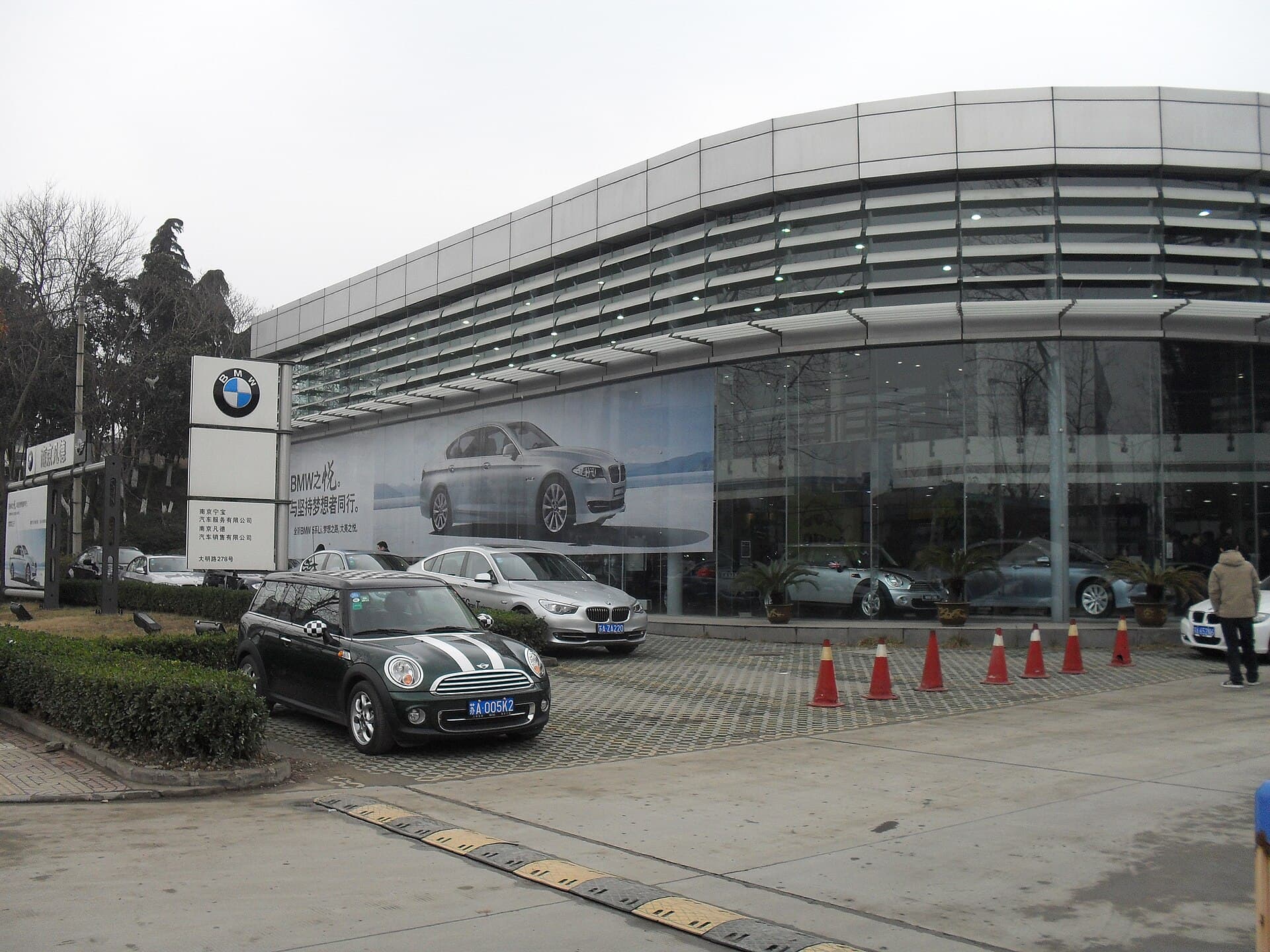
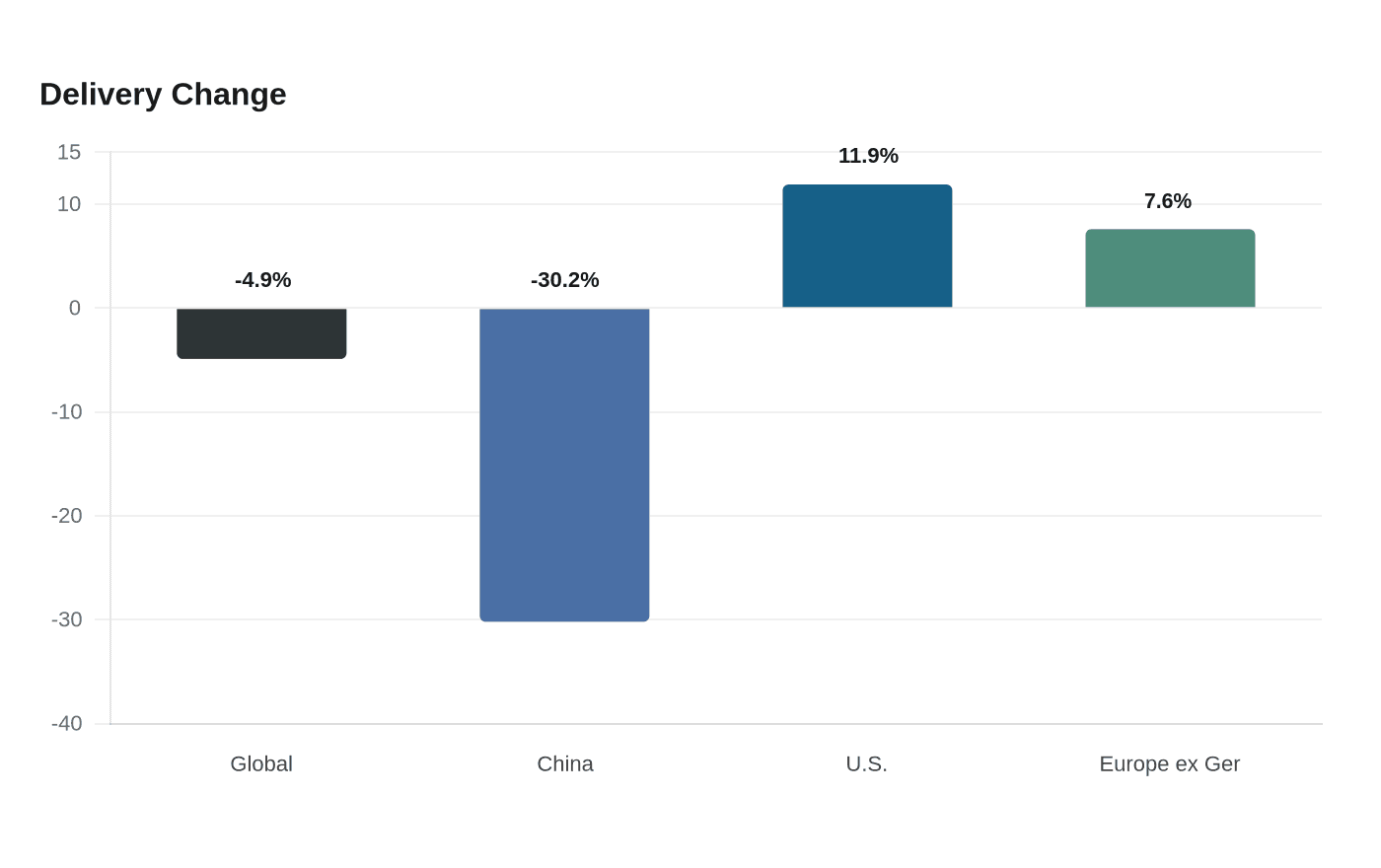
BMW’s second-quarter sales fell as a 30.2% China slump outweighed gains in the U.S. and Europe, exposing how fast premium demand is weakening in its biggest market.
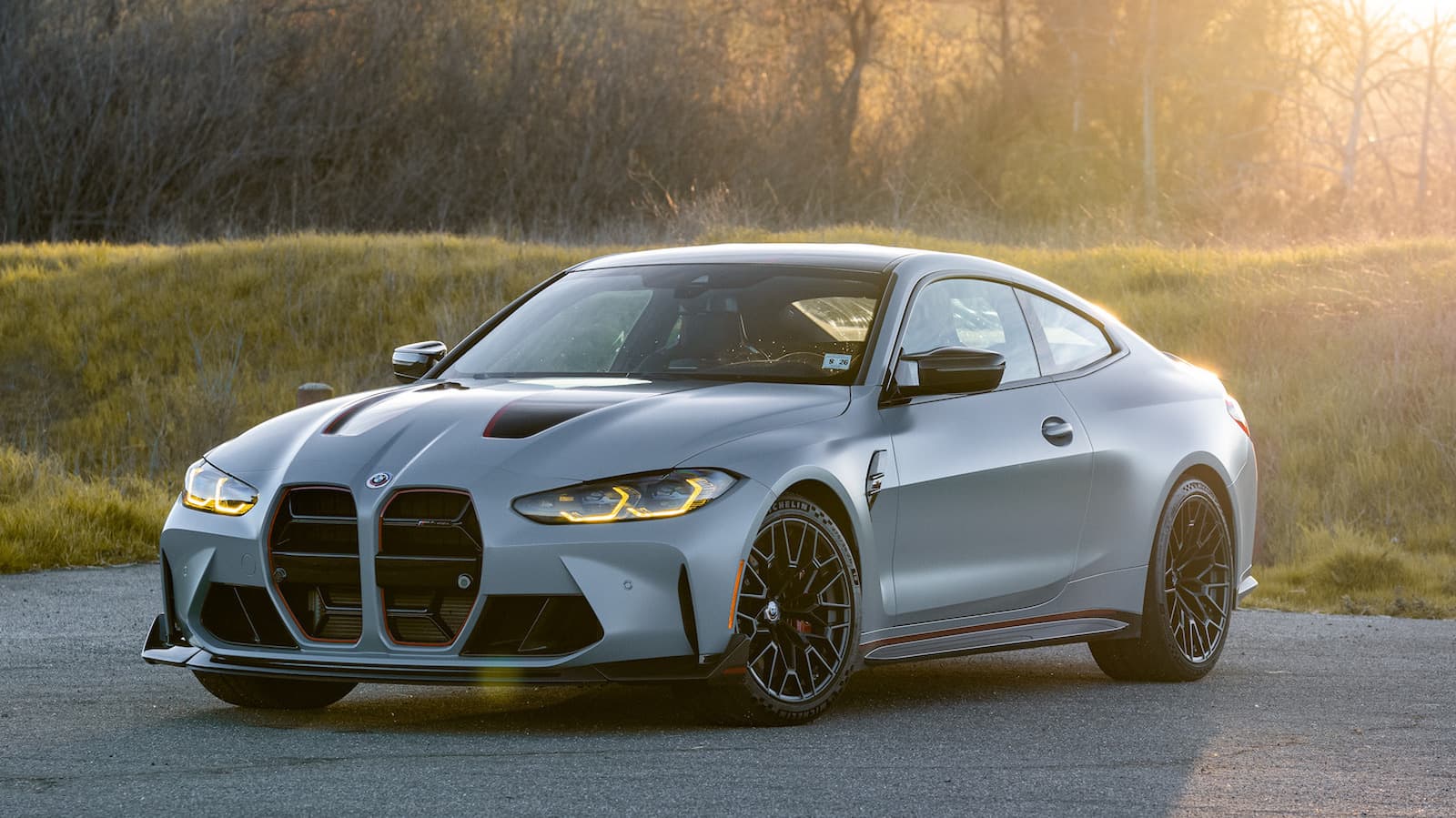
BMW’s global vehicle deliveries fell 4.9% in the second quarter to 590,962, as a 30.2% drop in China more than wiped out gains in the United States and Europe. BMW still increased deliveries in the U.S. by 11.9% and in Europe excluding Germany by 7.6%, but the split showed how sharply premium-car demand is diverging across its key markets.
The weakness in China extended a softer first half for BMW Group, which delivered around 1.15 million vehicles in the six months through June, down 4.2% from a year earlier. BMW said Europe sales rose about 5.4% in the period and U.S. sales rose 3.9%, while China and the wider Asia-Pacific region declined significantly. Board member Jochen Goller said BMW was still able to grow in the U.S. and Europe despite global challenges, but the company has already warned that the Chinese market deteriorated further in the second quarter, especially for non-electric vehicles.
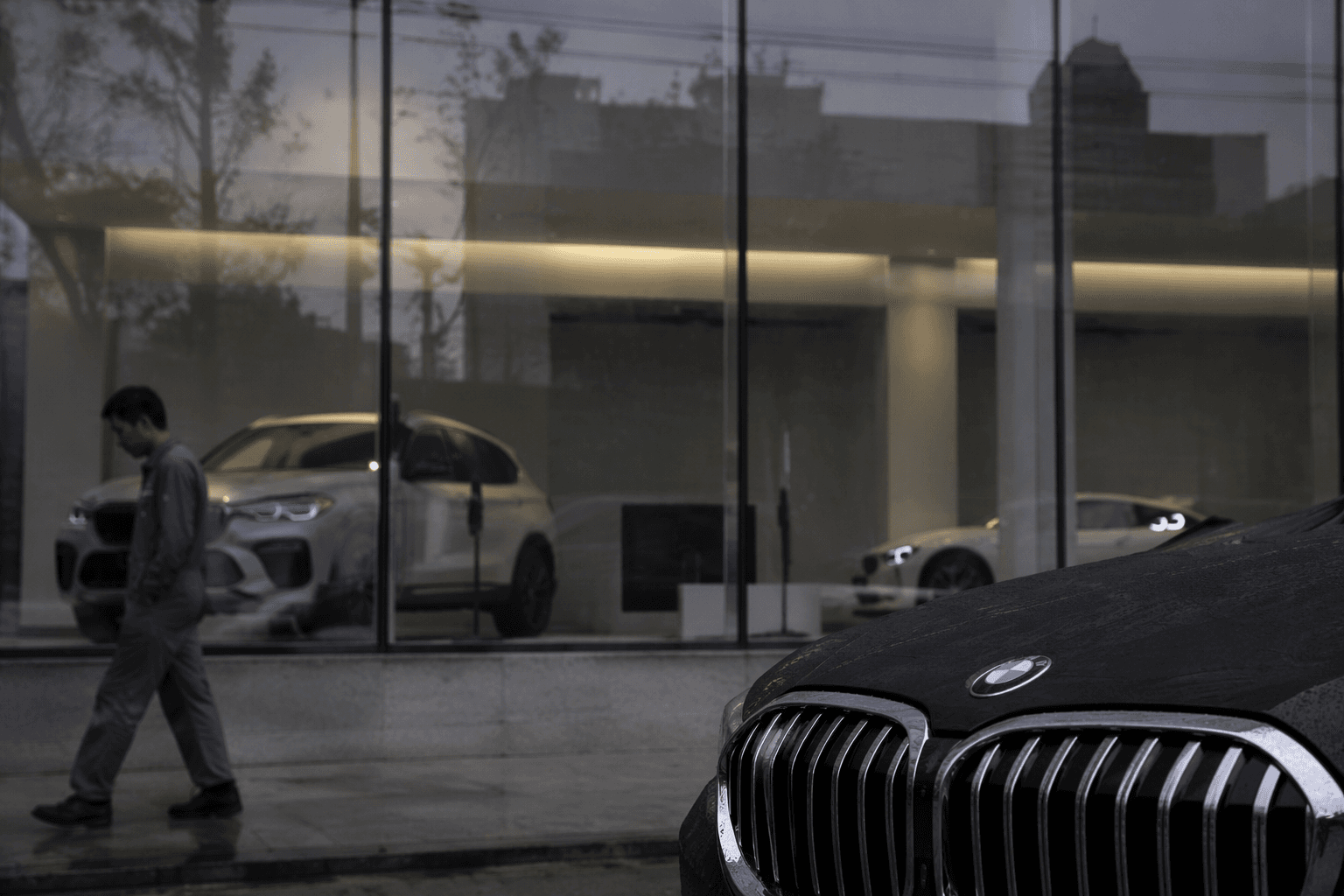
That matters because BMW is not dealing with a one-off dip. Its June guidance update said intensifying competition in China and Asia-Pacific could not be offset by growth elsewhere, and tied the pressure to repeated downward revisions in China’s market outlook. BMW said it was intensifying structural and efficiency measures and expected a one-time negative earnings impact in the second half of 2026, a sign that the China slump is now shaping pricing, cost control and production planning.
There were some brighter spots. BMW said fully electric BMW and MINI deliveries rose 5.2% in the quarter to 116,807, helped by the start of deliveries of the new BMW iX3. Europe was the standout, with fully electric sales there jumping 38.0% to 81,445 units. BMW said incoming orders for the iX3 were on track to reach 100,000, while the BMW i3 was already seeing strong demand before launch. The company’s long-term strategy still spans combustion engines, plug-in hybrids, battery electric vehicles and hydrogen fuel cells from 2028.
BMW of North America gave the clearest counterweight to China. BMW sales in the U.S. totaled 102,713 vehicles in the quarter, up 13% from 90,884 a year earlier, and year-to-date sales were up 4.7%. BMW said strong demand, product mix, better availability and a strong dealer network drove the gain, with the new X5 due to arrive later in 2026 alongside the iX3 and i7. Even so, the broader picture remains difficult for German premium brands: Mercedes-Benz reported a second-quarter delivery decline of 8% and Porsche a 16% drop, underscoring how much of Germany’s export machine still depends on China and how quickly that market can turn from growth engine to drag.
This article was produced by Prism’s automated news system from verified source data, official records, and press releases, then run through automated quality and moderation checks before publishing. The system is built and supervised by the people who set the standards it runs under. Read our full AI policy.
Did this article answer your question?