Japan to add BOJ independence reference in economic blueprint
Japan plans to spell out BOJ independence in its blueprint after 10-year bond yields hit a 30-year high and rattled markets.
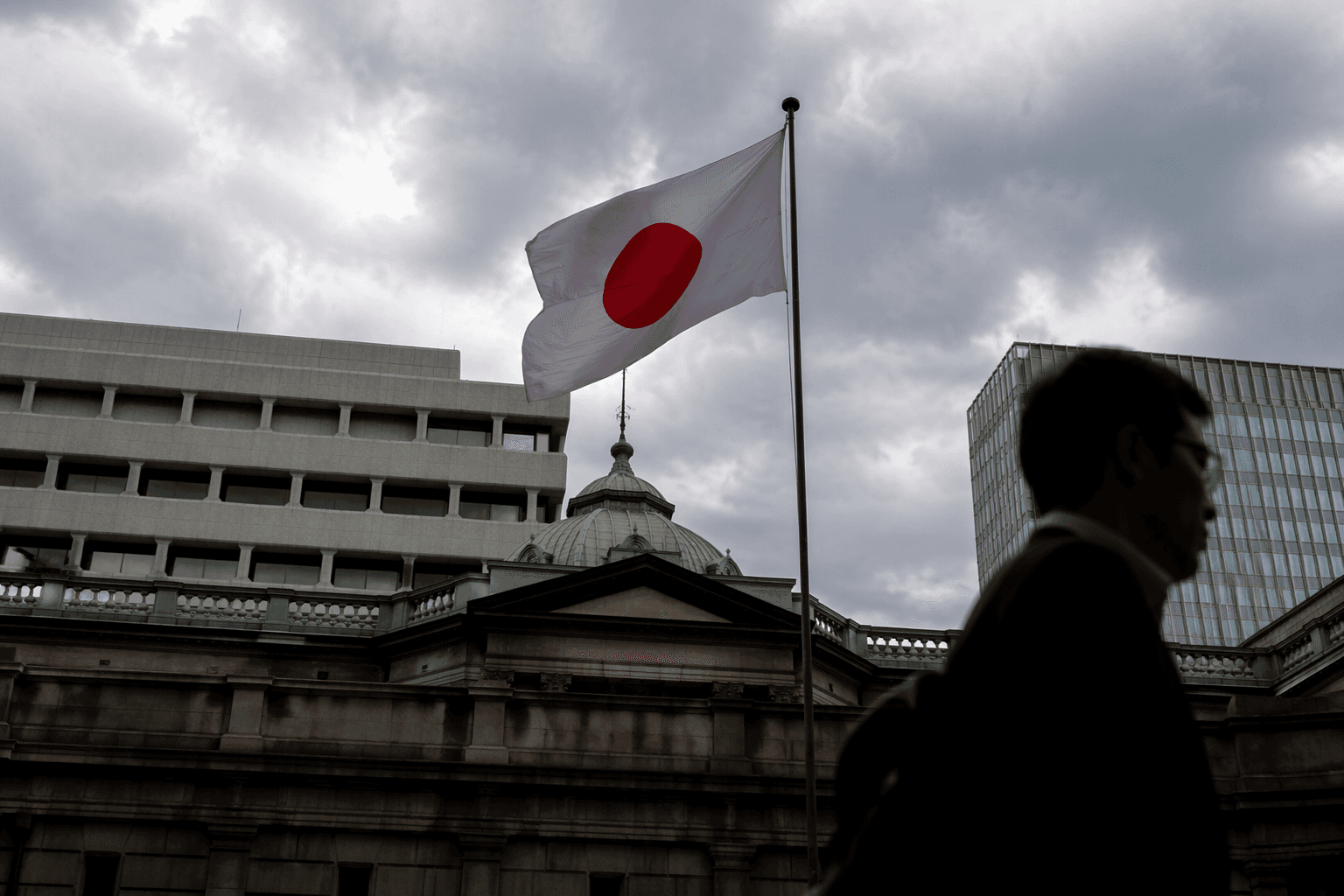
Japan’s government plans to add an explicit reference to Bank of Japan independence in its economic blueprint, a move meant to calm investors after the benchmark 10-year Japanese government bond yield climbed to a 30-year high. The new language would sit in a footnote to the Bank of Japan Act, including Article 3, titled “Respecting the Autonomy of the Bank of Japan and Ensuring Transparency.”
An earlier draft said it was very important for monetary policy to be guided appropriately to achieve a stronger economy. That was later revised to say the BOJ should conduct appropriate policy to achieve stable inflation, but the softer language did not restore market confidence. The added reference was purely a response to market concerns and did not amount to a formal shift in strategy.
On July 7, the government pushed back against views that it was pressuring the BOJ to keep rates low. Two days later, officials were still weighing a wording change as fears about central-bank independence helped drive bond yields higher. On Thursday, July 9, inflation worries linked to renewed tensions in the Middle East and concerns over Japan’s fiscal health helped drive bond yields higher.
The legal framework already gives the BOJ operational independence, but it also requires coordination with the government. The BOJ Act states the bank’s autonomy over currency and monetary control must be respected, and Article 4 requires the bank to maintain close contact with the government so monetary policy and economic policy remain mutually compatible.

If investors suspect political pressure could weaken the BOJ’s focus on price stability, they tend to demand higher returns on government debt, which can feed into borrowing costs across the economy. The same concern can also affect inflation expectations and the yen, which traders watch closely whenever central-bank independence comes into question. The government could finalize the blueprint as early as next week.
This article was produced by Prism’s automated news system from verified source data, official records, and press releases, then run through automated quality and moderation checks before publishing. The system is built and supervised by the people who set the standards it runs under. Read our full AI policy.
Did this article answer your question?