BoatBot Pre-Purchase Inspection Checklist Every DIY Sailor Should Use
BoatBot’s pre-purchase inspection checklist gives DIY sailors a hands-on, itemized walkthrough to spot maintenance issues and estimate likely repair costs before buying a used boat.
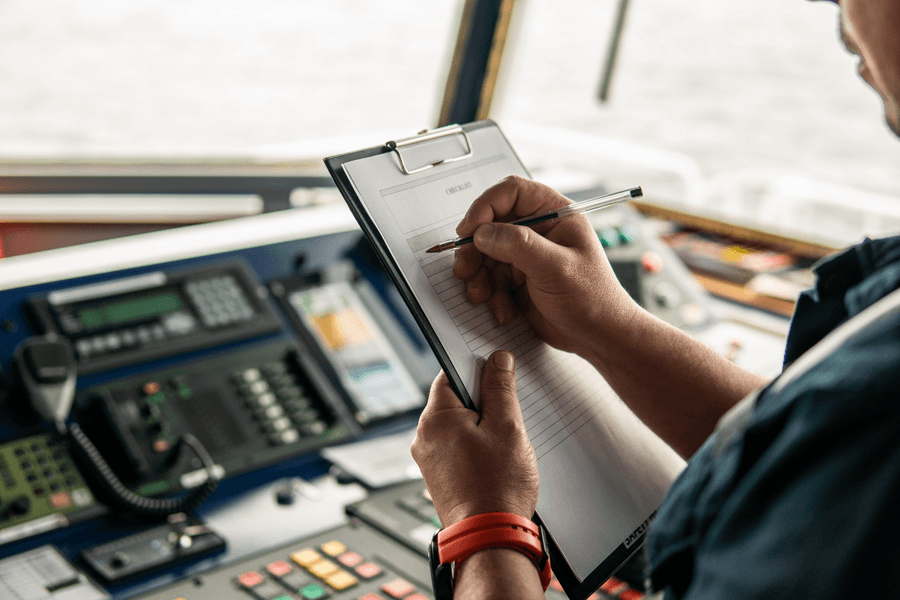
BoatBot delivers a practical pre-purchase inspection checklist designed so you can evaluate a boat yourself and avoid expensive surprises. The checklist focuses on visible signs of wear, service records, and items that typically lead to major repairs, making it directly useful for DIY sailors who plan to do their own survey-style walk-throughs.
Begin at the exterior and hull. Check for visible repairs, soft spots, and gelcoat blisters. Look for consistent paint or gelcoat finish and note any mismatched patches that could hide structural work. Inspect areas where repairs are common, and probe cautiously for delamination or spongy sections.
Move to deck and fittings next. Examine lifeline stanchions, cleats, chainplates and backing plates for cracks, movement, or corrosion. Look closely for spider-cracking around fasteners, which often signals leaks or inadequate bedding. A loose stanchion or an obvious repair pad is a red flag for further investigation.
Rig and sails require a careful visual pass. Inspect the mast, spreaders, terminals and halyards for corrosion, worn swage fittings, or chafe. Ask the seller for sail measurements and recent sail-repair records so you can confirm sail condition against expected wear and remaining service life.
If possible, run the engine and observe operation. Check for smoke, unusual noises, and oil leaks. Verify service records, inspect impeller condition, and confirm raw-water cooling flow. Lack of documented maintenance or a noisy, smoky engine typically translates into immediate expenses.
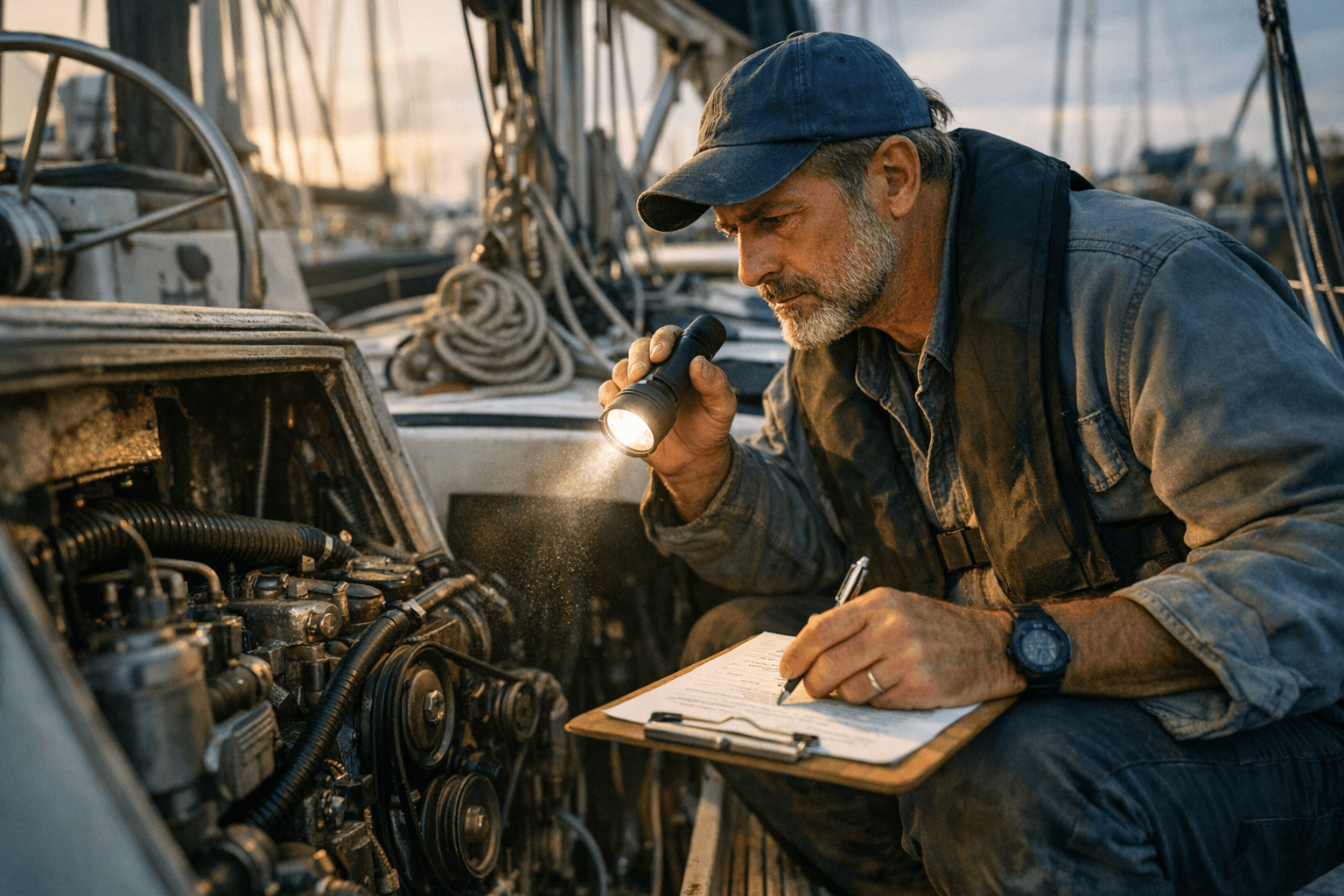
Electrical systems and electronics need testing. Test batteries and charging systems, navigation lights, chartplotters and VHF. Check for corroded connections and confirm serial numbers and firmware support for used electronics, since outdated units may be hard to update or replace.
Inspect plumbing and tanks thoroughly. Smell fuel tanks for contamination and look for signs of corrosion. Check holding tanks, bilge pumps and seacocks for function and condition. A failing seacock or an unreliable bilge pump is an urgent, potentially safety-critical repair.
Paperwork is as important as hardware. Verify the HIN, title and registration and review maintenance logs. When structural concerns arise or you lack confidence in your assessment, commission a professional survey to quantify problems and repair estimates.
BoatBot’s checklist is a hands-on tool you can use on a dock walk-through to prioritize inspections and ask targeted questions. Follow the sequence above, document issues, and use service records and HIN verification to separate cosmetic fixes from costly structural or systems work. Do the hard look now and you save time, money and headaches later.
Know something we missed? Have a correction or additional information?
Submit a Tip

