Boeing posts larger-than-expected loss as Air Force One costs rise
Boeing's second-quarter loss widened after a $280 million Air Force One charge, deepening questions over the Pentagon project and the company's execution.
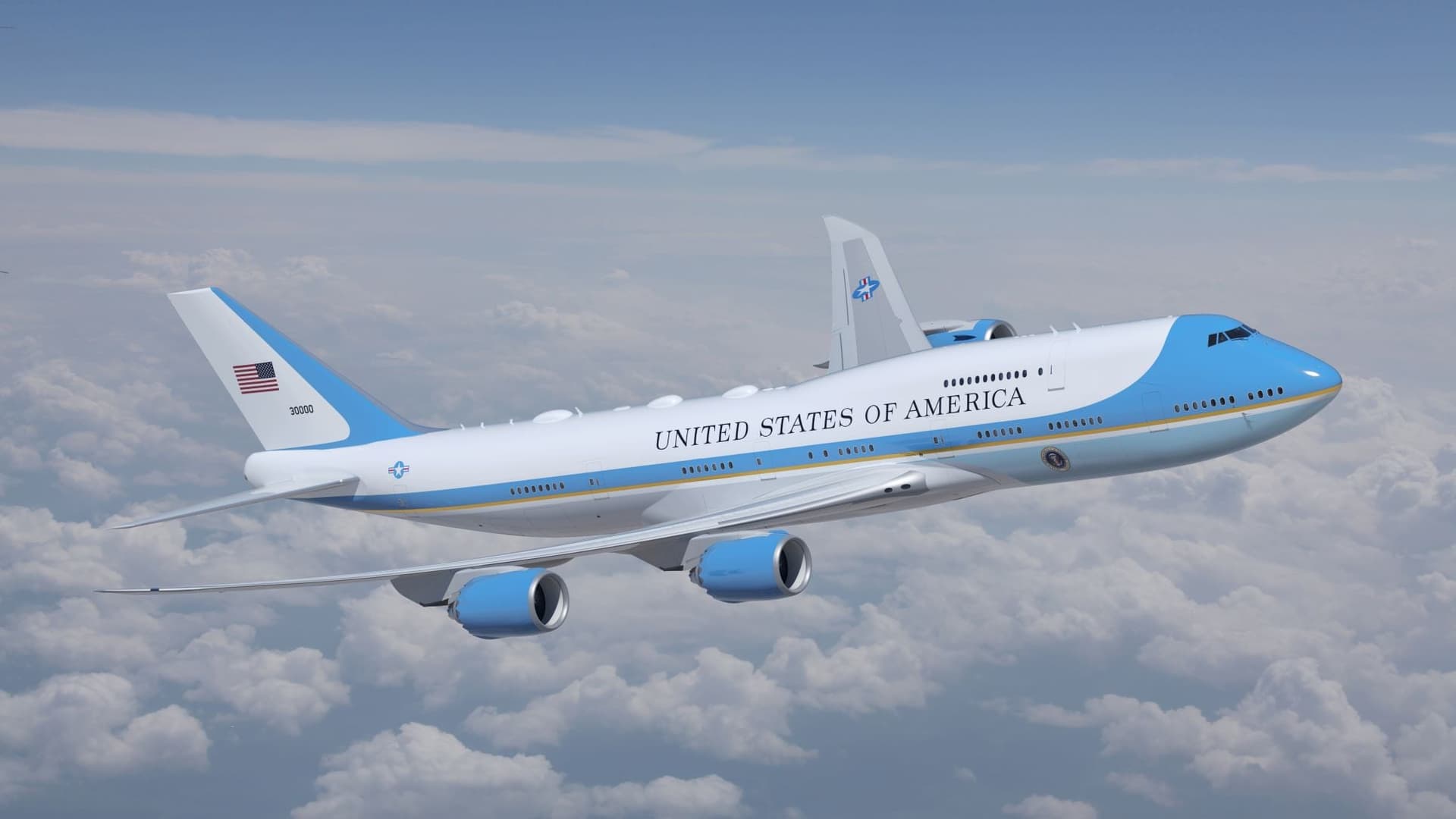
Boeing's second-quarter loss widened after the company booked a $280 million charge tied to its Air Force One replacement program, putting fresh pressure on a turnaround already being watched by taxpayers and the Pentagon. The aerospace giant said revenue rose to $24.6 billion, helped by 171 commercial deliveries, but it still posted a GAAP loss of $0.67 a share and a core loss of $0.76 a share. Boeing also generated $1.4 billion in operating cash flow and about $0.6 billion in free cash flow, while backlog climbed to a record $715 billion, including more than 6,200 commercial airplanes.
The presidential aircraft program has become one of Boeing's clearest tests of credibility. It is a $3.9 billion fixed-price government contract, and the losses tied to it have already exceeded $2.8 billion. Delivery of the two new planes has been pushed back by four years, turning the Air Force One replacement into a high-profile example of how design changes, technical complications and schedule slips can compound into major overruns on federally funded work.
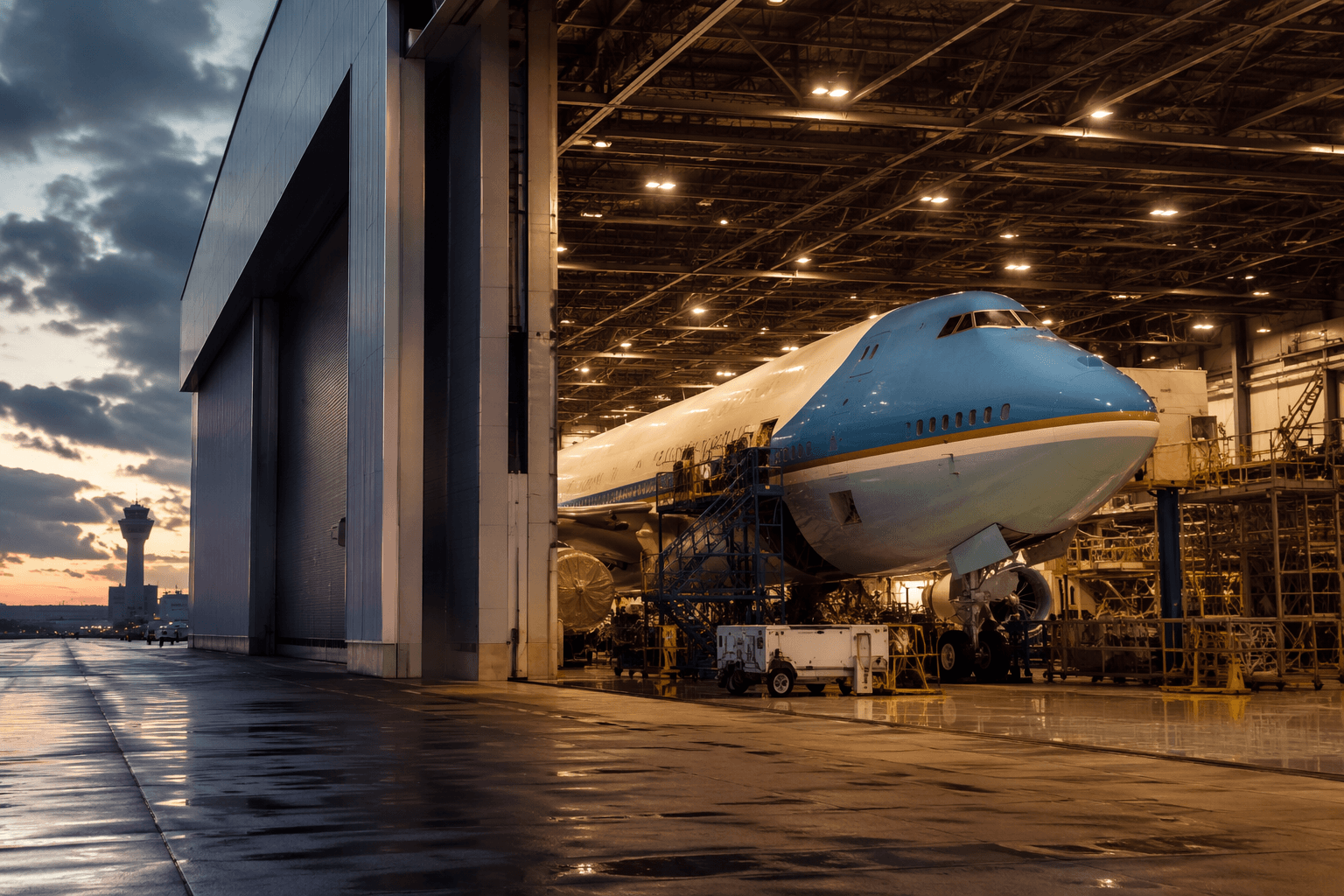
That matters because Boeing is still trying to prove it can execute on the kind of long-cycle programs that federal customers rely on. The company has spent years working to stabilize production, improve quality control and restore confidence in its manufacturing and delivery performance, but the latest charge shows how legacy problems continue to hit the bottom line. The contrast in the quarter was stark: stronger commercial deliveries and a record backlog on one side, and a costly defense program on the other.
For investors, the numbers offered both progress and fragility. The cash flow figures and the backlog support Boeing's turnaround narrative, and the company continues to benefit from a deep pipeline of commercial aircraft demand. But a larger-than-expected loss keeps attention fixed on execution, especially when a politically sensitive contract tied to the presidential fleet can still generate hundreds of millions of dollars in fresh charges.
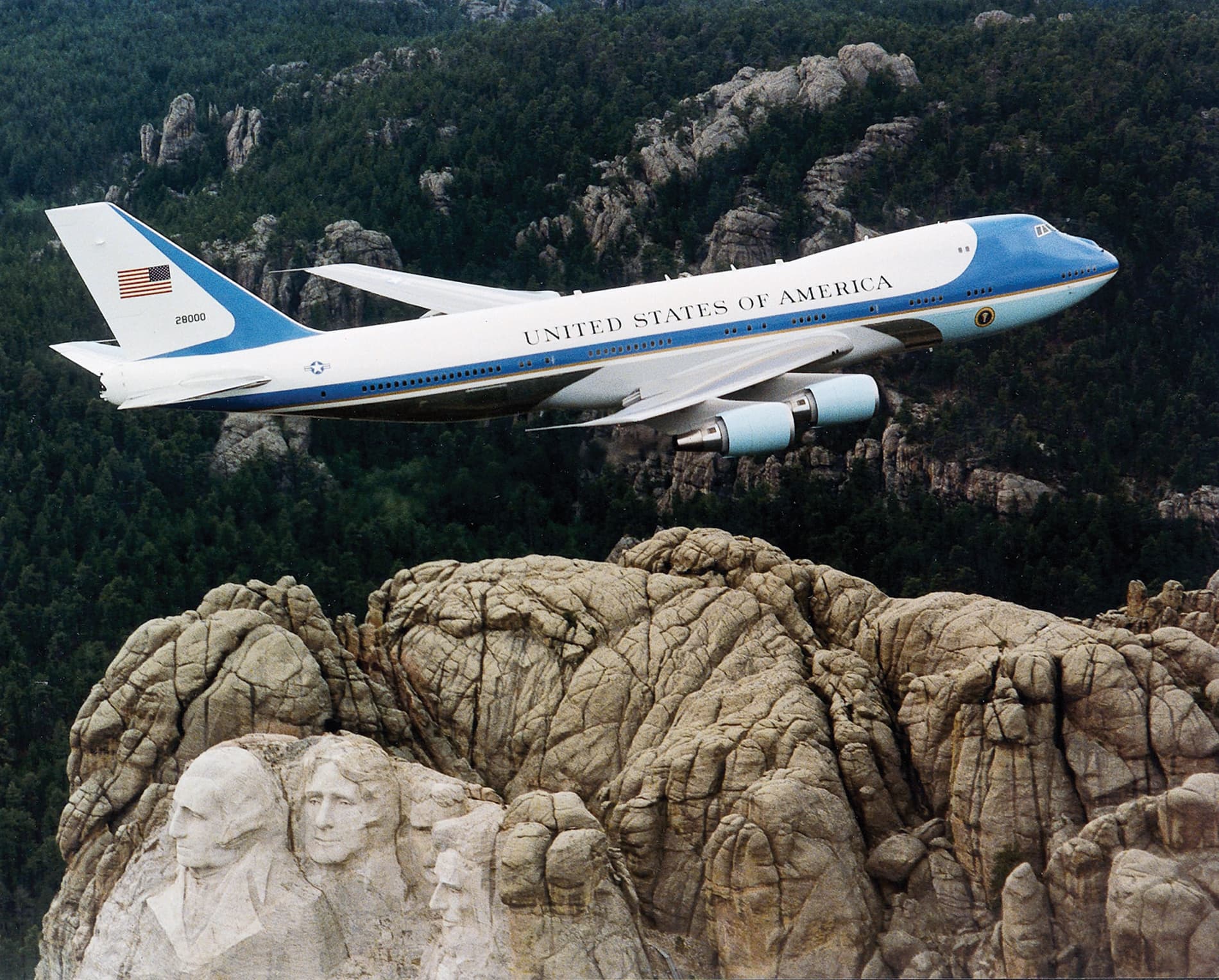
The result leaves Boeing in a familiar position, with operational gains being pulled against old contract wounds. Until the company can hold the line on costs and delivery schedules, Air Force One will remain more than a delayed government project. It will remain a measure of whether Boeing can regain the confidence of the public officials and institutional buyers who depend on it.
This article was produced by Prism’s automated news system from verified source data, official records, and press releases, then run through automated quality and moderation checks before publishing. The system is built and supervised by the people who set the standards it runs under. Read our full AI policy.
Did this article answer your question?