Boeing posts smaller first-quarter loss as revenue rises 14 percent
Boeing cut its quarterly loss to $7 million as revenue rose 14 percent, but the company still burned $1.5 billion in free cash. Investors are watching whether production gains and FAA certifications can hold.
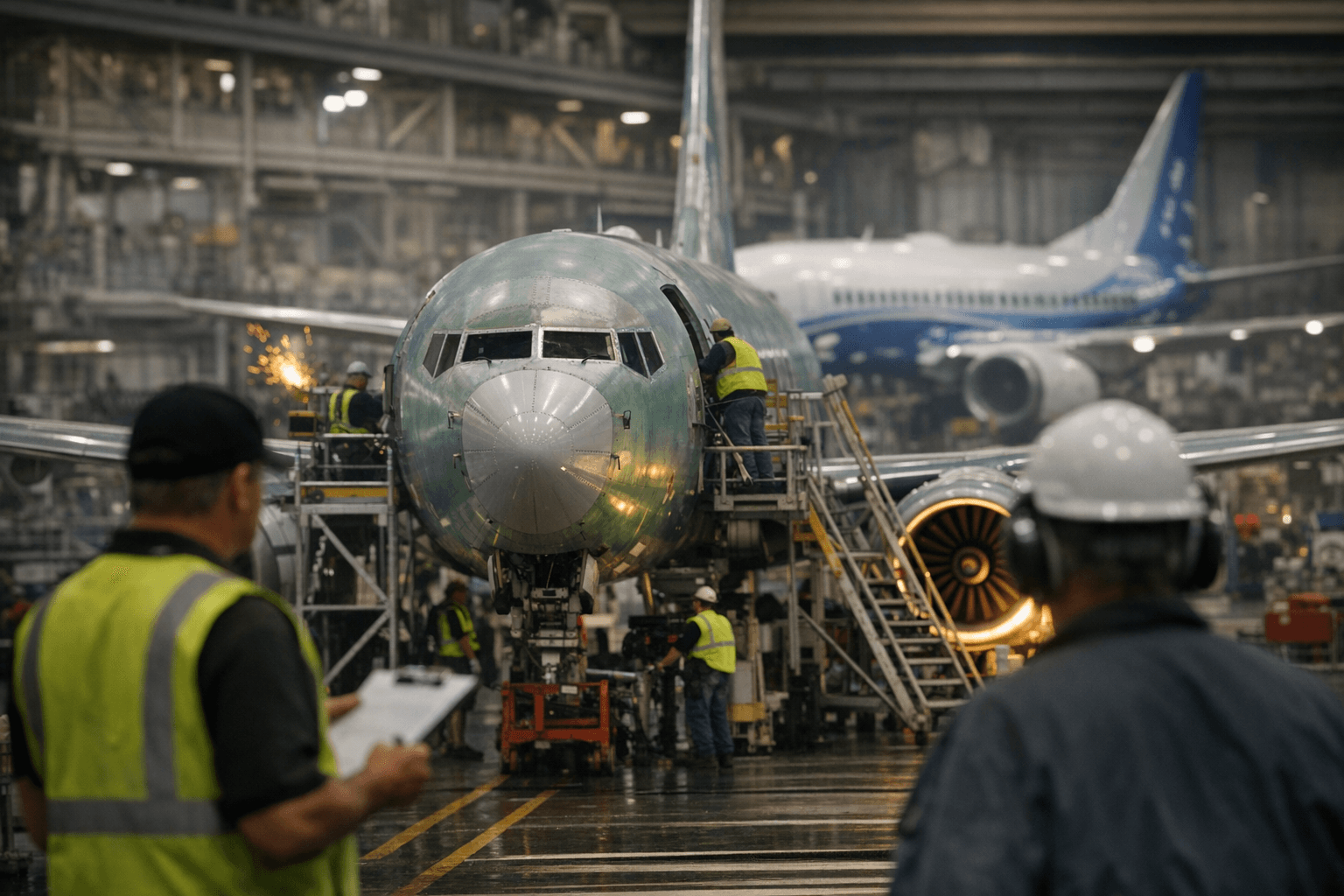
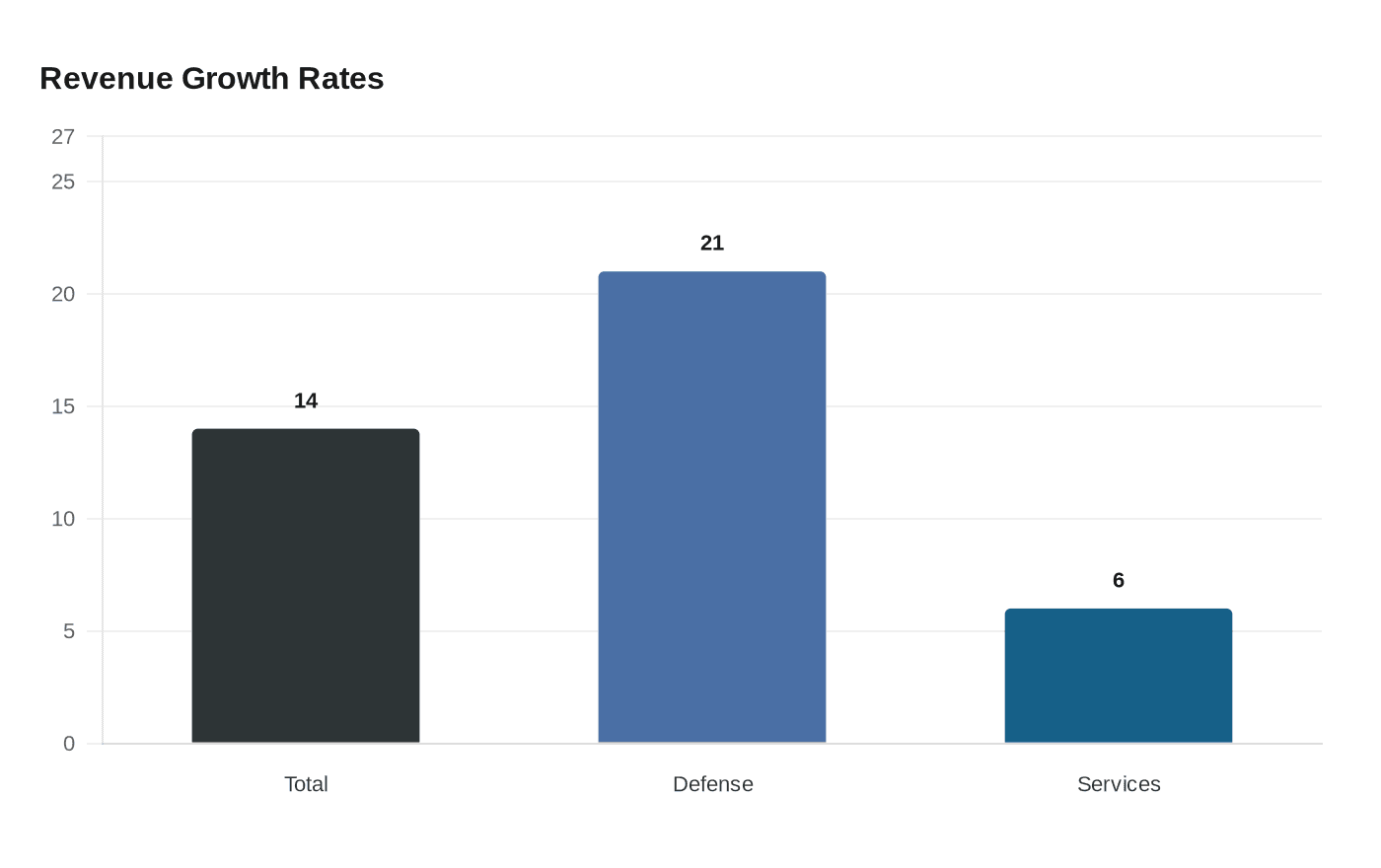
Boeing’s latest quarter showed a company moving forward, but not yet free of the strains that have defined its recovery. Revenue climbed 14 percent to $22.2 billion, and the planemaker’s loss narrowed to $7 million, a far better result than Wall Street expected. Even so, Boeing still burned $1.5 billion in free cash and ended the quarter with operating cash flow of negative $179 million, a reminder that the turnaround is still being financed as much as it is being earned.
The numbers matter because Boeing’s challenge is no longer just surviving the crisis years. It has to prove that better earnings reflect a sturdier operation, not just a temporary lift from deliveries and price mix. The company reported GAAP loss per share of 11 cents and core loss per share of 20 cents, while its total backlog rose to a record $695 billion, including more than 6,100 commercial airplanes. Shares rose in premarket trading as investors reacted to the smaller-than-expected loss and the continued growth in revenue.
In a memo to employees, CEO Kelly Ortberg said, “We’re off to a good start and continue building on our momentum with stronger performance across our business.” Ortberg, who became chief executive in August 2024, said Boeing was working to restore trust with customers and expand its record backlog. The company also said it was supporting customers on missions such as Artemis II, a nod to the broader role Boeing still plays in U.S. space and defense work.
The operational test remains tougher than the headline loss suggests. Boeing said its 787 program was stabilizing at eight airplanes a month and that it had received Federal Aviation Administration certification for the 787-9 and 787-10 with increased maximum takeoff weight, a feature it said adds value for customers. It is producing about 42 of its best-selling single-aisle jets a month and expects to lift that to 47 by year-end, while continuing certification work on the 737-7, 737-10 and 777X.
Those approvals are central to the recovery because they determine when Boeing can lift deliveries and unlock more revenue. The company said it still expects certification of the 737-7 and 737-10 in 2026, with first deliveries in 2027. Boeing delivered 143 commercial airplanes in the quarter, its highest first-quarter total since 2019, including 114 737 MAX jets.
Defense and services also helped carry the results. Defense business revenue rose 21 percent to $7.6 billion, and services revenue increased 6 percent to $5.37 billion. Boeing was set to discuss the results and its outlook on an April 22 conference call with Ortberg and chief financial officer Jay Malave, as investors pressed for evidence that the recovery is becoming operationally durable, not just financially cleaner.
This article was produced by Prism’s automated news system from verified source data, official records, and press releases, then run through automated quality and moderation checks before publishing. The system is built and supervised by the people who set the standards it runs under. Read our full AI policy.
Did this article answer your question?

