Boeing swings to profit as deliveries surge and asset sale helps
Boeing reported a sharp Q4 turnaround, posting $23.9 billion in revenue and 160 commercial jet deliveries, aided by a one-time asset sale.
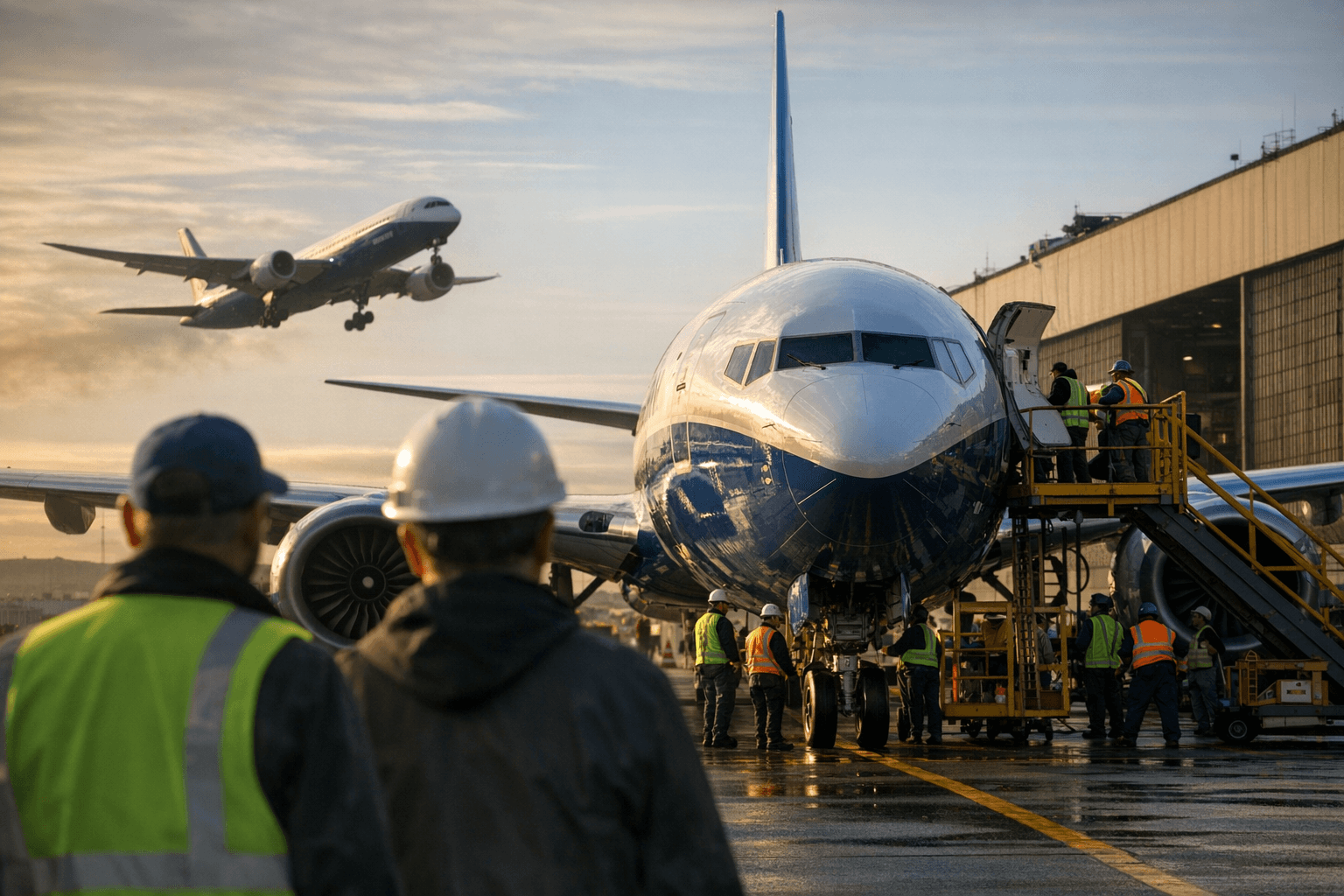
Boeing reported a sharp turnaround in the quarter ended Dec. 31, 2025, generating roughly $23.9 billion in revenue and moving back into profit, the company disclosed on Jan. 27, 2026. The fourth-quarter results were driven by a large increase in commercial airplane deliveries, 160 jets in Q4, and were materially aided by proceeds from an asset sale, according to the company’s filing.
The delivery tally is a key operational signal. After years of production constraints, regulatory scrutiny and repeated delays on certain programs, the higher deliveries point to improved factory output and a stabilizing production chain. For airlines, more timely deliveries mean fleets can be modernized and capacity restored to pre-pandemic growth trajectories, supporting travel demand that has broadly recovered since 2022.
The one-time asset sale that helped lift Boeing’s bottom line highlights the distinction between recurring operating performance and transitory gains. Investors and analysts will parse the results to separate the impact of that divestiture from core aerospace operations. A swap of nonstrategic assets into cash can improve liquidity and reduce near-term balance-sheet pressure, but it does not eliminate the structural costs of higher materials, labor and warranty exposure that have weighed on margins.
Operationally, the 160 deliveries in the quarter suggest the company is closer to meeting longstanding production targets that global airlines have waited on. Delivery momentum is also a forward-looking indicator for revenue recognition and cash flow: delivered aircraft typically convert backlog into near-term cash receipts and reduce contractual exposure. The pace of deliveries will be watched closely in coming quarters to assess whether the improvement is durable or a temporary catch-up.
Macro and market implications are mixed. A rebound in Boeing’s profitability can restore some investor confidence and ease borrowing costs for the company, while improving its flexibility to invest in engineering, after-sales support and supply-chain upgrades. For airlines, steadier deliveries may reduce the need for expensive lease extensions or short-term wet leases, lowering operating costs. But the reliance on a one-time asset sale to bolster quarterly profit underlines the fragility of the recovery and the importance of sustaining higher production without sacrificing safety or quality.
Policy and regulatory context remains important. U.S. and international aviation regulators maintain oversight of manufacturing changes and certification processes; any acceleration in output will need to reconcile speed with compliance. That dynamic shapes the pace at which Boeing can turn improved production into durable earnings growth.
Longer term, Boeing’s results reflect two converging trends: robust passenger demand that supports aircraft replacement and fleet growth, and an imperative to rebuild operational resilience after a turbulent multi-year period. How Boeing deploys the proceeds from the asset sale, whether to shore up liquidity, pay down liabilities or invest in modernization, will affect its ability to sustain higher delivery rates and regain margin expansion. The next several quarters will be decisive in determining whether this profit swing signals a structural recovery or a temporary financial reprieve.
This article was produced by Prism’s automated news system from verified source data, official records, and press releases, then run through automated quality and moderation checks before publishing. The system is built and supervised by the people who set the standards it runs under. Read our full AI policy.
Did this article answer your question?