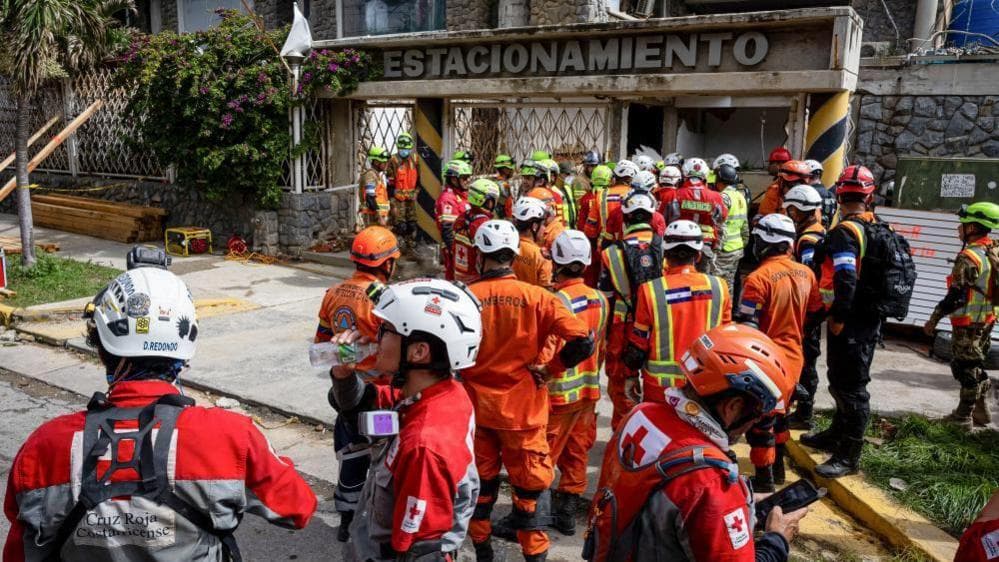
Bolivia protests intensify as security forces clash with highway blockades
Roadblocks outside La Paz forced food to be flown in as police and soldiers moved to clear barricades, turning Bolivia's economic unrest into a security test.
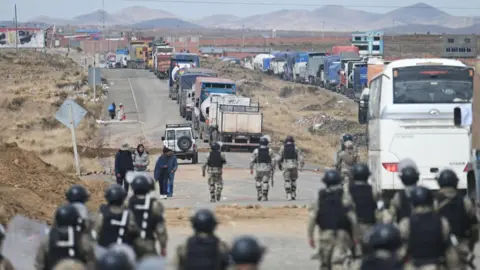
Security forces met resistance as they tried to clear highway blockades around La Paz, exposing how Bolivia’s economic unrest had become a test of the state’s control over its main transport arteries. The barricades cut into access to the capital, where officials said food, fuel, foreign currency and medical supplies were all in short supply, deepening a crisis that had already pushed inflation to 14% in April.
The Bolivian Highway Administration said the roadblocks were stopping food from reaching La Paz, forcing the government to move supplies by air, including aircraft provided by Argentina. In one early-morning operation outside the capital, about 3,500 soldiers and police were deployed to open blocked routes, underscoring how quickly a supply-chain dispute had turned into a public order emergency.
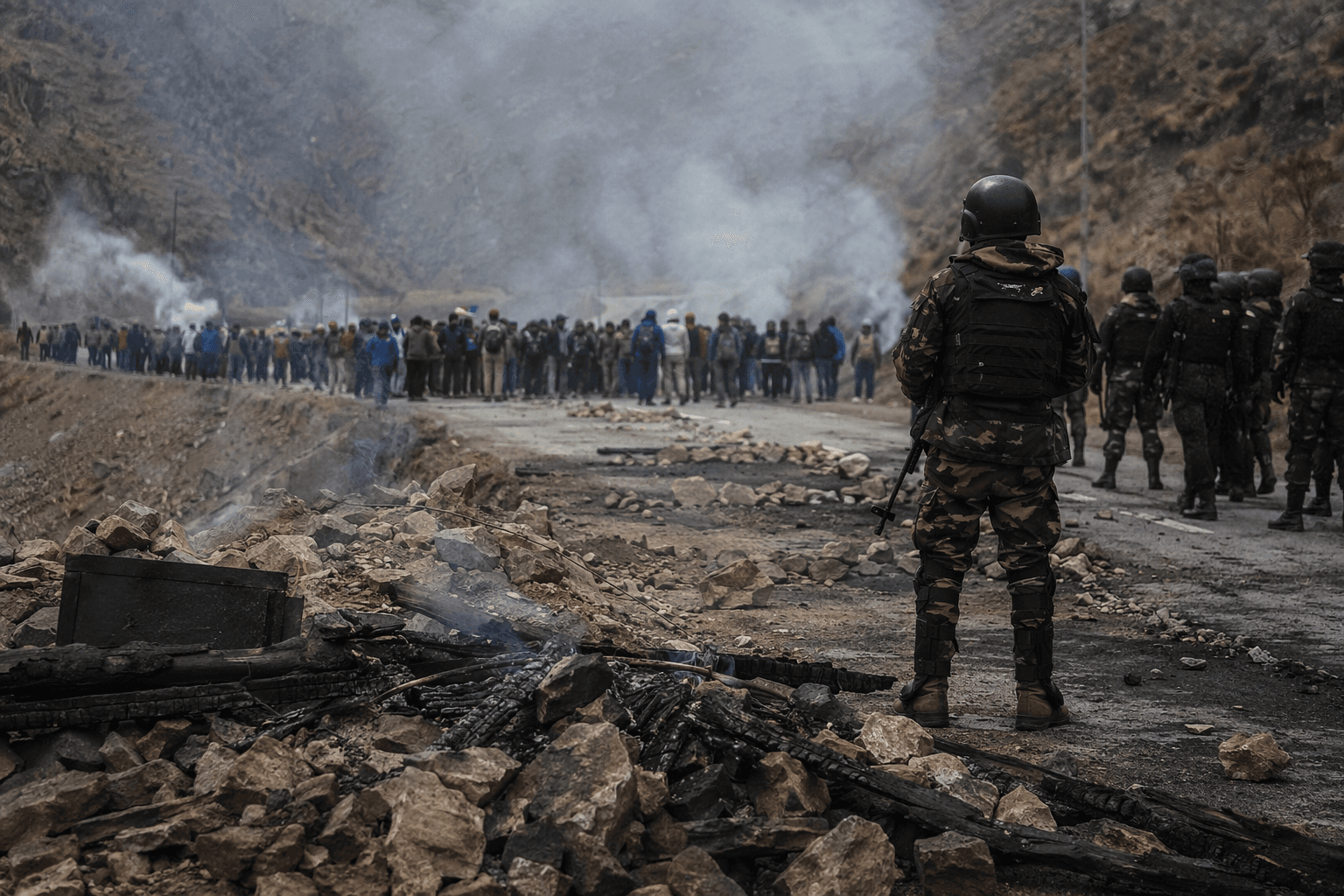
The unrest began in early May after farmers protested a law allowing land mortgages, a measure President Rodrigo Paz later annulled. Instead of fading, the demonstrations widened into a national movement that drew miners, rural schoolteachers, transport workers, Indigenous groups and other labor groups. Protesters demanded lower prices, fuel availability, higher wages and an end to privatization of state-owned companies. Some also called for Paz’s resignation.
Paz said he would reshuffle his cabinet in response to the protests, but the pressure on his government did not ease. A deal with miners after nearly 12 hours of talks left other groups still blocking roads into La Paz, where the road closures were disrupting commerce and slowing the movement of goods needed to keep the capital running. The choke points made the dispute about more than street protests: they threatened the government’s ability to keep the country’s core transport corridors open.
The violence around the blockades added to the sense of breakdown. Protesters used tear gas, stones, slingshots and dynamite in clashes with police, while Reporters Without Borders documented at least 14 attacks on journalists between May 12 and May 18. Bolivia’s bishops called for dialogue and humanitarian pauses on May 14, warning that blockades were hurting poor and vulnerable families and preventing ambulances from passing freely. With neighboring governments and European diplomats urging restraint, the crisis has become as much about governance as economics, and the fight over Bolivia’s roads now reaches far beyond La Paz.
This article was produced by Prism’s automated news system from verified source data, official records, and press releases, then run through automated quality and moderation checks before publishing. The system is built and supervised by the people who set the standards it runs under. Read our full AI policy.
Did this article answer your question?