Bolivia signs $20 million US anti-drug cooperation deal
Bolivia pledged up to $20 million in US-backed anti-drug aid, the first bilateral narcotics deal in nearly 20 years, as Rodrigo Paz rebuilt ties with Washington.
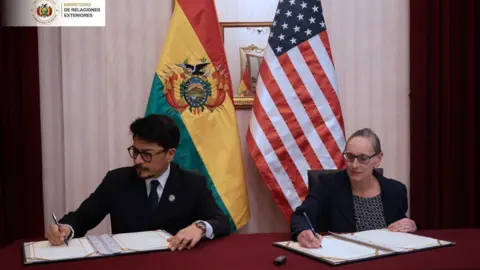
Bolivia and the United States have signed a cooperation framework worth up to $20 million to fight drug trafficking, a deal that marks the first bilateral anti-drug agreement between the two governments in nearly two decades. The package will bring US training, equipment and other support to Bolivian law enforcement as the new administration of President Rodrigo Paz seeks to turn a diplomatic reset into a practical security partnership.
The agreement is more than a funding announcement. It is the clearest test yet of Bolivia’s effort to repair a relationship that was broken in 2008, when Evo Morales expelled US anti-drug agents and later severed wider security ties with Washington. The thaw has accelerated in recent months: Bolivia resumed operational cooperation with the US Drug Enforcement Administration in February 2026 after a 17-year absence, and on June 4, 2026, Secretary of State Marco Rubio spoke with Paz to reaffirm US support as his government rebuilt the country.
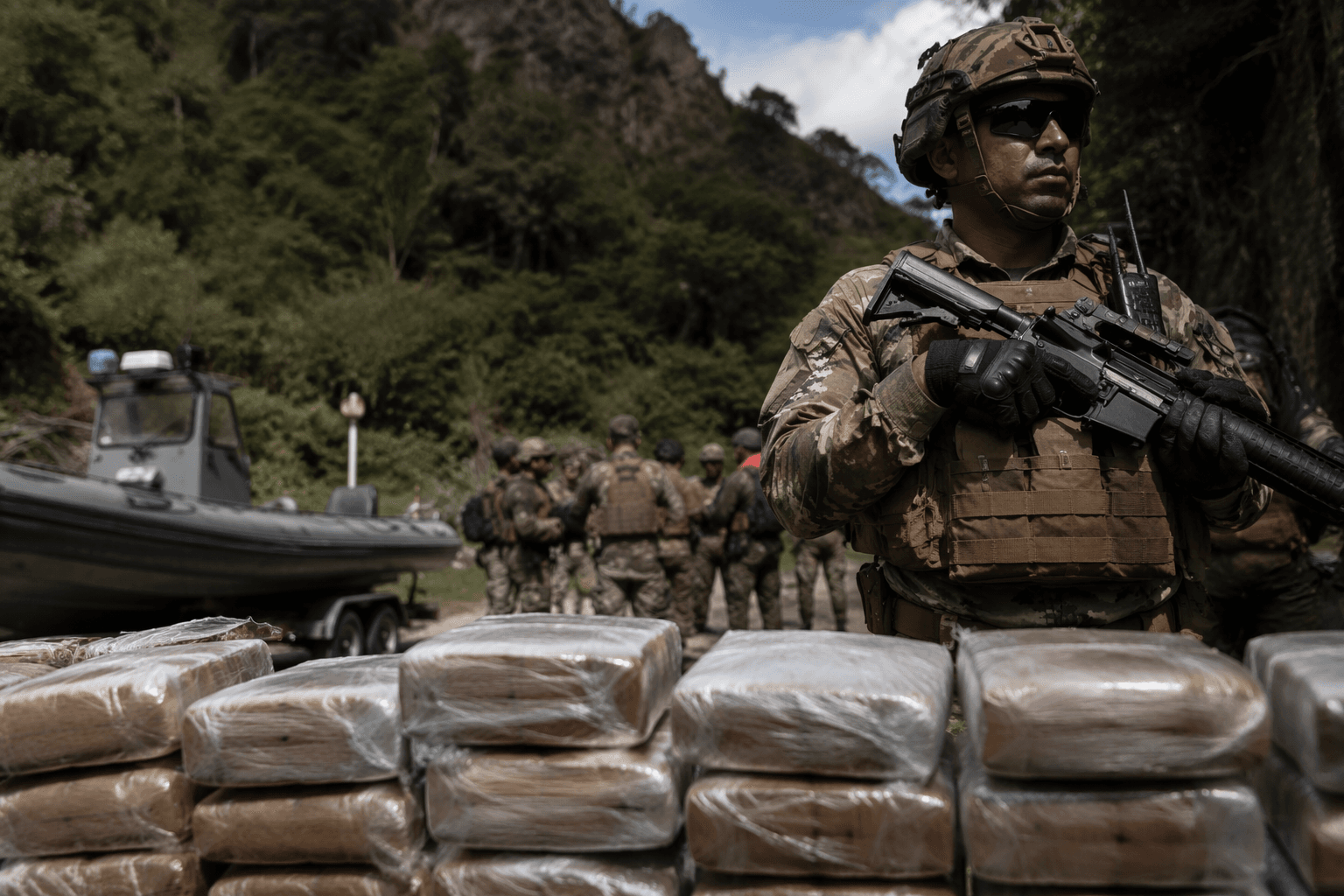
The new framework is aimed at the machinery of enforcement, not just patrols. The money and support are intended to help investigators dismantle trafficking networks, prosecute financial crimes and improve transparency inside Bolivia’s police and judicial institutions. That matters in a country where anti-narcotics policy has long been entangled with politics, accusations of corruption and debate over how much influence Washington should have over domestic security operations.
The stakes are heightened by Bolivia’s standing on the US list of major drug transit or illicit drug-producing countries for fiscal year 2026. That designation underscores why the new accord will be watched closely in La Paz and Washington alike: if the deal produces more investigations, stronger financial cases and tighter coordination with the DEA, it would signal a measurable shift in regional security cooperation. If not, it risks remaining mainly symbolic, a diplomatic gesture that confirms the thaw but leaves the underlying narcotics challenge largely unchanged.
For Paz, the agreement places Bolivia’s broader campaign against organized crime on a more concrete footing. For Washington, it offers a chance to re-enter a country that had pushed US anti-drug influence out for nearly two decades, while tying that return to support for a government promising to rebuild institutions and restore security links.
This article was produced by Prism’s automated news system from verified source data, official records, and press releases, then run through automated quality and moderation checks before publishing. The system is built and supervised by the people who set the standards it runs under. Read our full AI policy.
Know something we missed? Have a correction or additional information?
Submit a Tip