Trump warns Iran deal could collapse, bombing could resume soon
Trump's pledge to resume bombing Iran within hours of a G7 “breakthrough” rattled a tentative deal meant to reopen the Strait of Hormuz.
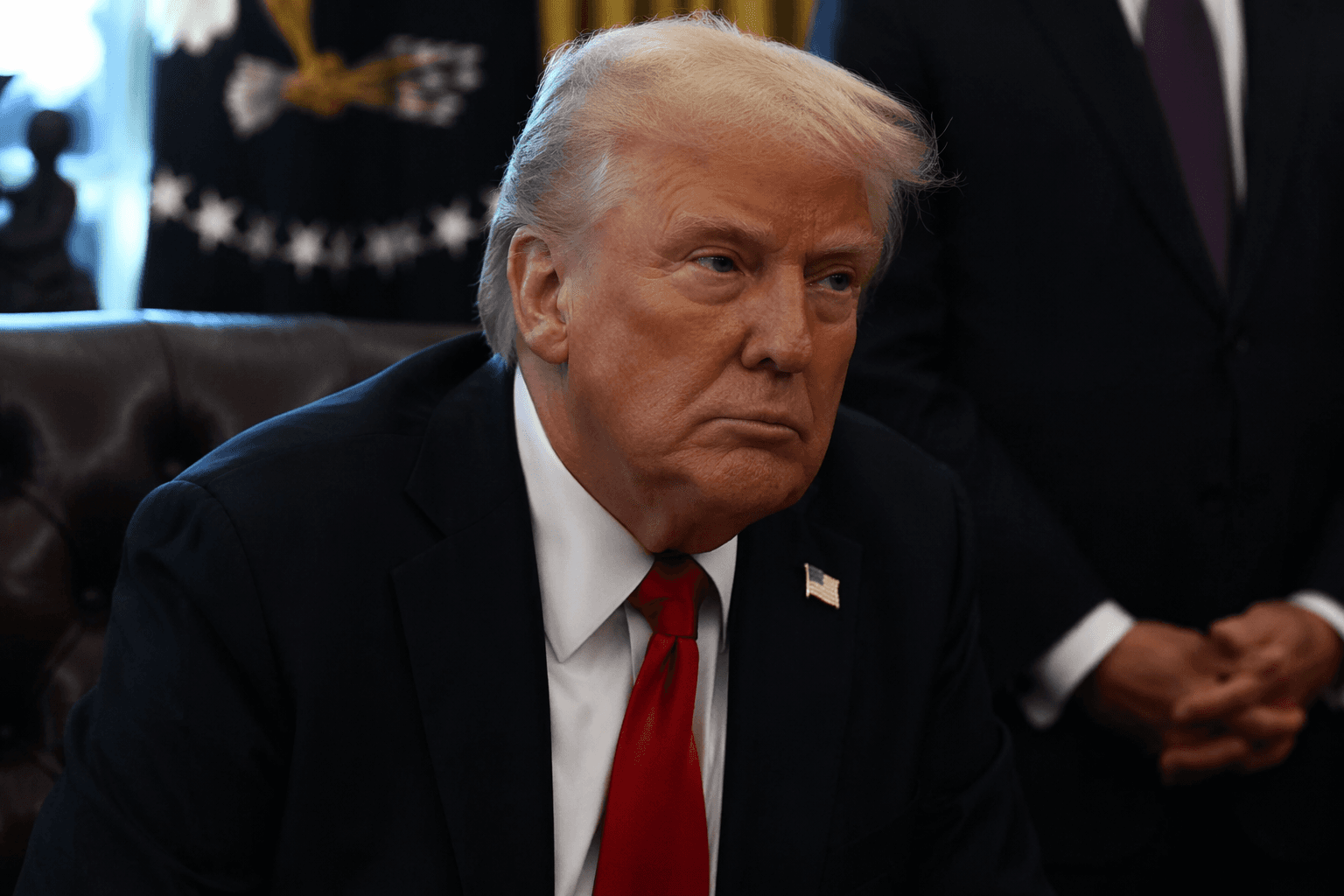
Donald Trump jolted the G7 summit in Évian-les-Bains by warning the United States would resume bombing Iran if he did not like the deal being brokered with Tehran, just hours after fellow leaders called the emerging agreement a breakthrough. The contradiction put the credibility of the pact at the center of the summit, even as Trump kept selling it as a path to end the war and reopen the Strait of Hormuz.
Trump said the U.S. would “go right back to dropping bombs” if the terms of the arrangement did not satisfy him. The comments came while he was meeting with world leaders in France and promoting a preliminary U.S.-Iran understanding that is expected to be formally signed in Geneva later this week.
The G7 leaders backed Trump’s plan to end the war and described the emerging accord as a breakthrough. They also framed it as an effort to stop Iran from advancing its nuclear program, adding political weight to an agreement that remains unfinished and still has major unknowns. Even with that support, the summit made clear that the deal had not yet crossed the line from diplomatic opening to durable settlement.
That uncertainty is tied to the Strait of Hormuz, the narrow waterway that handles a crucial share of global energy shipments. The agreement is linked to reopening the strait, but key details remain unclear, including how access will be managed and what enforcement mechanism would hold if either side backs away. Those unanswered questions have sharpened doubts about whether the arrangement can stabilize anything if Trump is simultaneously presenting diplomacy and coercion.
Trump had already canceled planned strikes on Iran on June 11 after officials from Qatar, the United Arab Emirates and Pakistan urged him to hold off, saying a deal was within reach. Senior officials from those governments reportedly contacted Trump as he was threatening to strike Iran “very hard tonight,” and their intervention helped convince him to pull back.
The political stakes are large. A deal that restores shipping through the Strait of Hormuz could calm a major pressure point in regional security and global markets, while a collapse would revive fears of renewed military escalation. For now, the message from Évian-les-Bains was not one of settled peace, but of a fragile agreement hanging on Trump’s next judgment.
This article was produced by Prism’s automated news system from verified source data, official records, and press releases, then run through automated quality and moderation checks before publishing. The system is built and supervised by the people who set the standards it runs under. Read our full AI policy.
Know something we missed? Have a correction or additional information?
Submit a Tip