Bolivia's president cuts his salary in response to unrest
Rodrigo Paz slashed his pay and his ministers' salaries by half as roadblocks spread, leaving La Paz short of food, fuel and medicine.

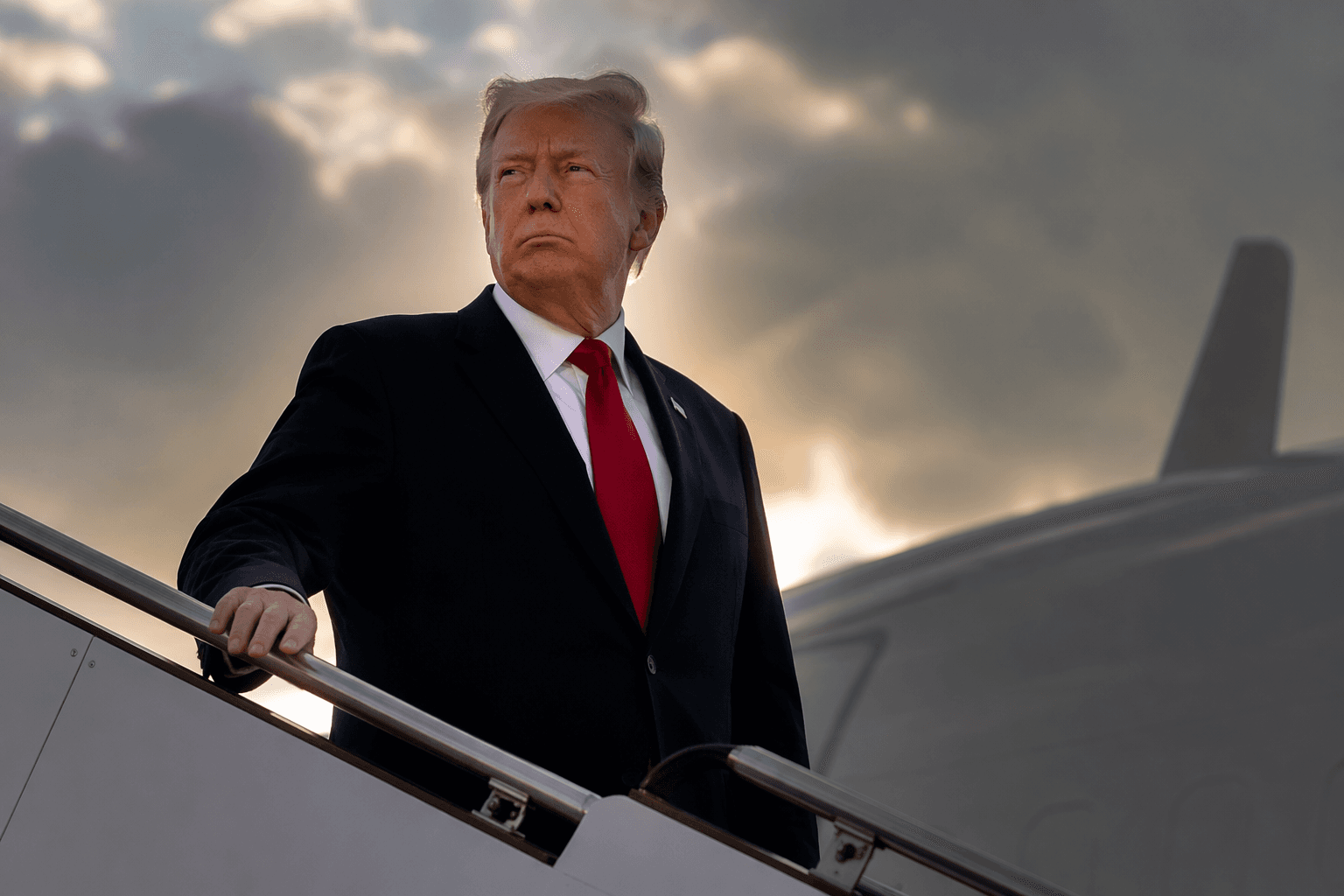
Rodrigo Paz cut his own salary and ordered his cabinet ministers to take a 50% pay cut as Bolivia’s political crisis deepened under pressure from street protests, roadblocks and public anger over austerity. The announcement, made in Sucre, came as the unrest entered its fourth week and protesters demanded that the centrist government reverse spending cuts and fuel subsidy reductions that have hit households already strained by rising living costs.
The move was less a fix than a political signal. Paz, who took office in November after inheriting an economy in turmoil, was trying to project sacrifice from the top while his administration faced a widening challenge to its authority. Protesters were not simply objecting to one policy. They were pushing back against a broader economic program that they see as too harsh, and some demonstrations were now openly calling for Paz’s resignation.
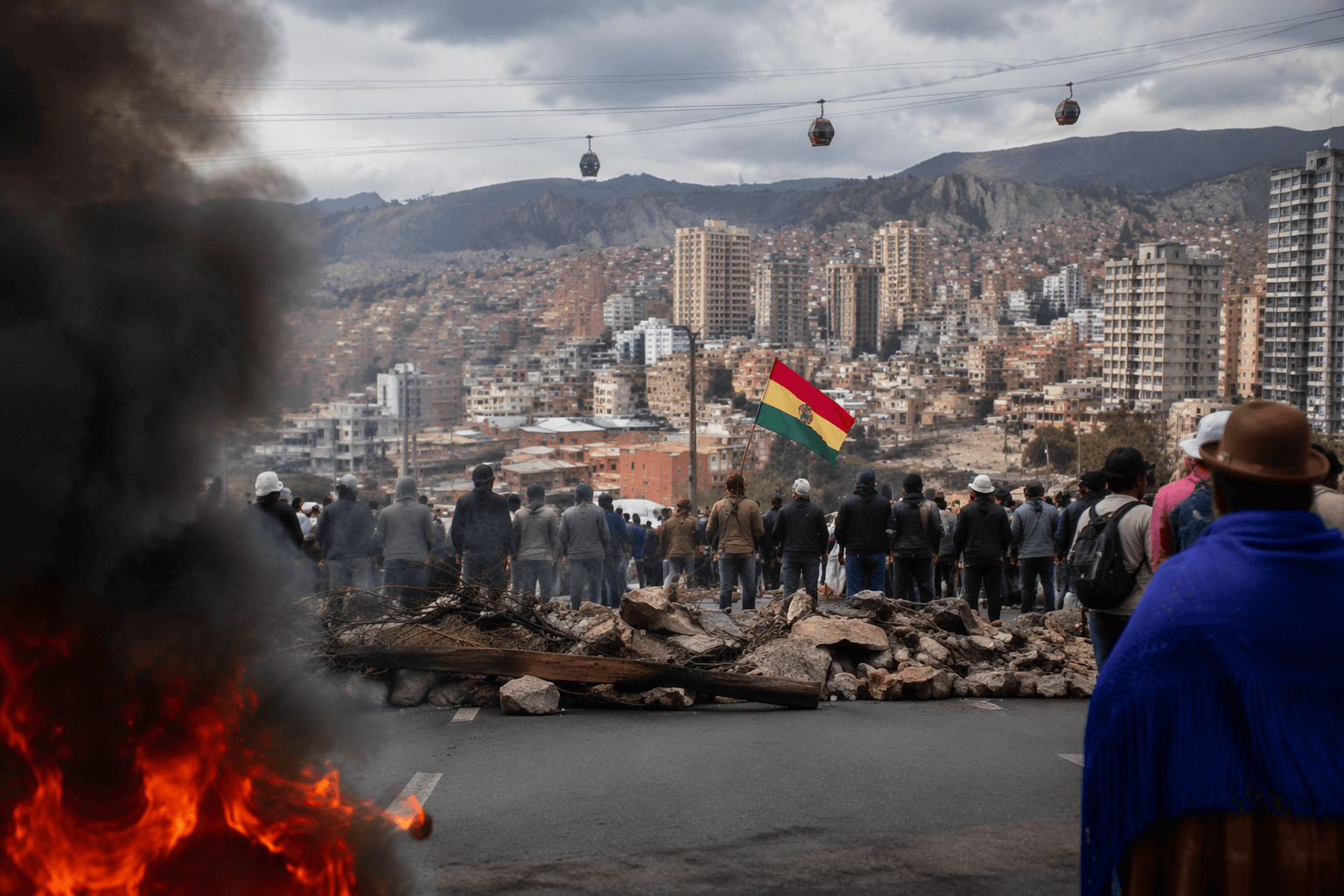
The roadblocks have had real consequences far beyond the political standoff. Authorities deployed about 3,500 soldiers and police to clear protesters from blocked routes, and some roads into La Paz were temporarily reopened after clashes. Roadblocks were reported across Beni, Santa Cruz, Cochabamba, Chuquisaca, Tarija, Potosí and Oruro, with estimates putting the nationwide total at as many as 60 to 65. In practice, the blockades have created a de facto shutdown around La Paz and worsened the strain on the government’s ability to move goods and enforce decisions.
The pressure is being felt most sharply in La Paz and El Alto, where shortages of food, medicine and fuel have hit markets, hospitals and gas stations. That shortage problem has made the unrest a daily crisis for residents, not just a political fight in the capital. The economic backdrop is severe as well: inflation reached 14% in April, underscoring how quickly the country’s fiscal troubles are feeding social unrest.
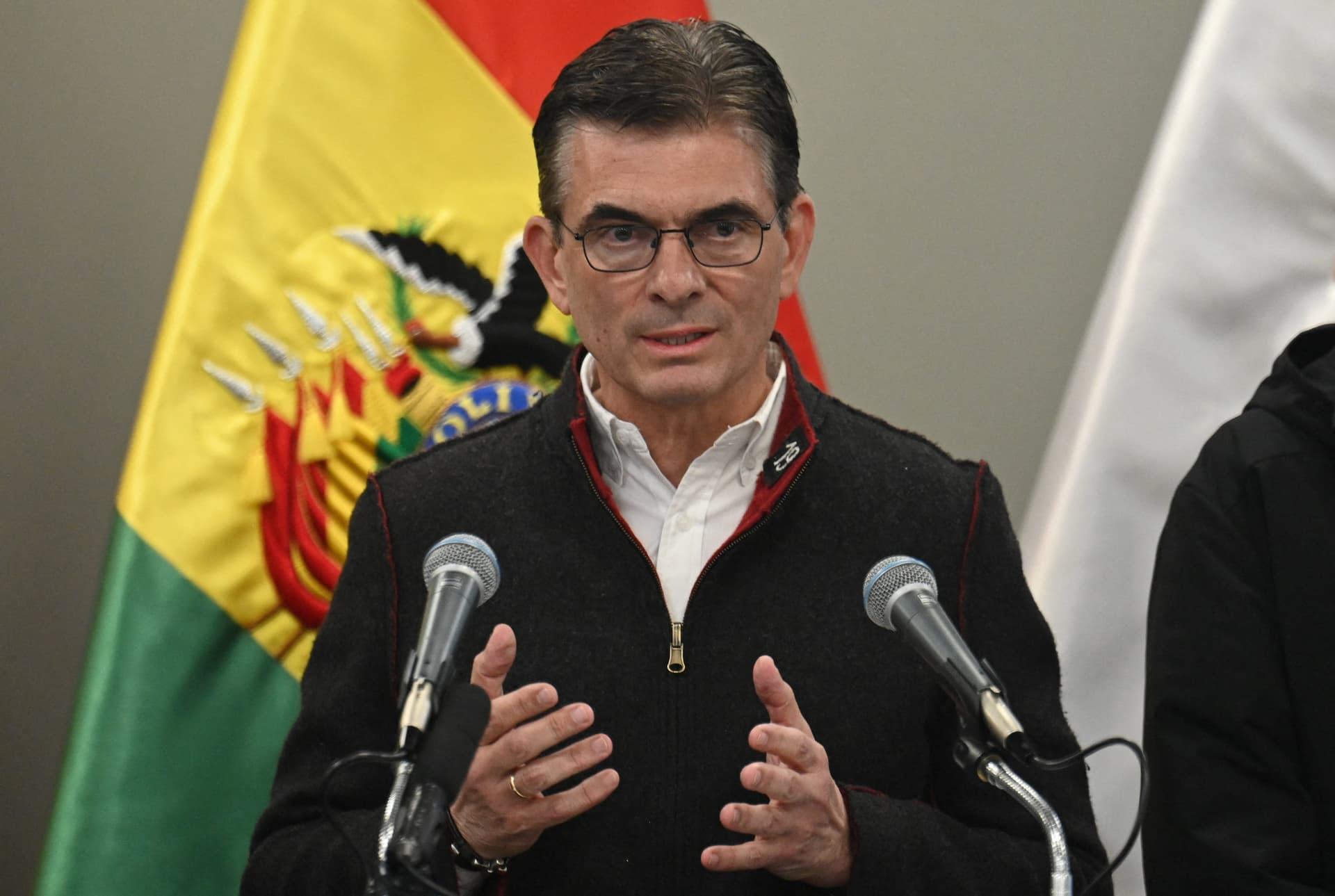
Paz’s salary was listed at 24,978 bolivianos a month before the cut, or about $3,617, and would fall to 12,489 bolivianos, about $1,808. He also announced a fiscal amnesty aimed at transporters, self-employed workers, union members and artisans facing tax-system difficulties. Together, the measures amount to an attempt to calm anger without abandoning austerity, but the roadblocks suggest the deeper grievance is not the president’s paycheck. It is whether Paz still has the political authority to govern while the country is being pulled apart.
Know something we missed? Have a correction or additional information?
Submit a Tip