Bomb kills Al Arabiya correspondent in Yemen port city
A car bomb killed Mohammed Aydah in Mukalla, deepening fears for Yemen’s reporters after warnings, threats and years of impunity.

A bomb planted in Mohammed Aydah’s car killed the Al Arabiya correspondent in Mukalla, Yemen, on June 24, leaving one of the region’s best-known broadcasters mourning a reporter who also worked for Al Hadath. The explosion hit the port city in Hadhramout governorate and destroyed the vehicle, turning a routine trip into a targeted killing.
The International Federation of Journalists joined the Yemeni Journalists’ Syndicate in demanding an independent and prompt investigation, and said security sources cited by the syndicate indicated that Aydah had received threats in the previous weeks. Al Arabiya said Mukalla security authorities had warned him about a threat to his life about a month before he was killed. No group has claimed responsibility.
The attack immediately raised questions about who controls security in Mukalla and how much protection journalists can expect in a city where armed influence has shifted repeatedly over the course of Yemen’s war. The Southern Transitional Council, which controls Mukalla, condemned the killing and said the city and the wider Hadramout coast were again vulnerable to terrorist activity. The statement underscored the uneasy reality in eastern Yemen, where local authorities, armed groups and outside backers still compete for influence.
Aydah’s death also carried a broader warning for the country’s press corps. The IFJ said he had previously been forced to flee Sana’a after the de facto authorities there pursued him and besieged his workplace, a sign that danger for reporters in Yemen is not limited to one front line or one governing faction. The federation said Aydah was the first journalist killed in Yemen in 2026.
Mukalla has long been a flashpoint. AQAP held the city until UAE-backed forces recaptured it in April 2016, and the old battle left behind a security landscape that still appears fragile. Aydah’s killing on the south-eastern coast, in a city of strategic value, puts renewed focus on whether local reporters are being systematically exposed to violence while foreign attention on Yemen has faded.
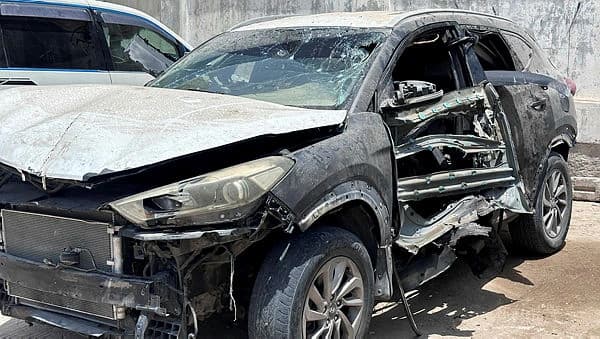
The case also fits a pattern that international monitors have repeatedly described as impunity. In a World Press Freedom Day message this year, UN Secretary-General António Guterres said 85% of crimes against journalists go uninvestigated and unpunished. In Yemen, where one journalist was killed by a car bomb and no suspect has been named publicly, that statistic feels less like a warning than a forecast.
This article was produced by Prism’s automated news system from verified source data, official records, and press releases, then run through automated quality and moderation checks before publishing. The system is built and supervised by the people who set the standards it runs under. Read our full AI policy.
Did this article answer your question?