Bomb threats trigger evacuations, diversions in latest United Airlines incidents
United planes in Denver and Pittsburgh were cleared after bomb-threat scares, but not before 359 passengers faced evacuations, a diversion and hours of disruption.
Public anxiety surged as two United Airlines flights were upended by reported threats in two days, but the pattern so far is not a string of aircraft failures. Both episodes ended with no hazards found, while airport police, bomb squads and federal agents absorbed the operational shock.
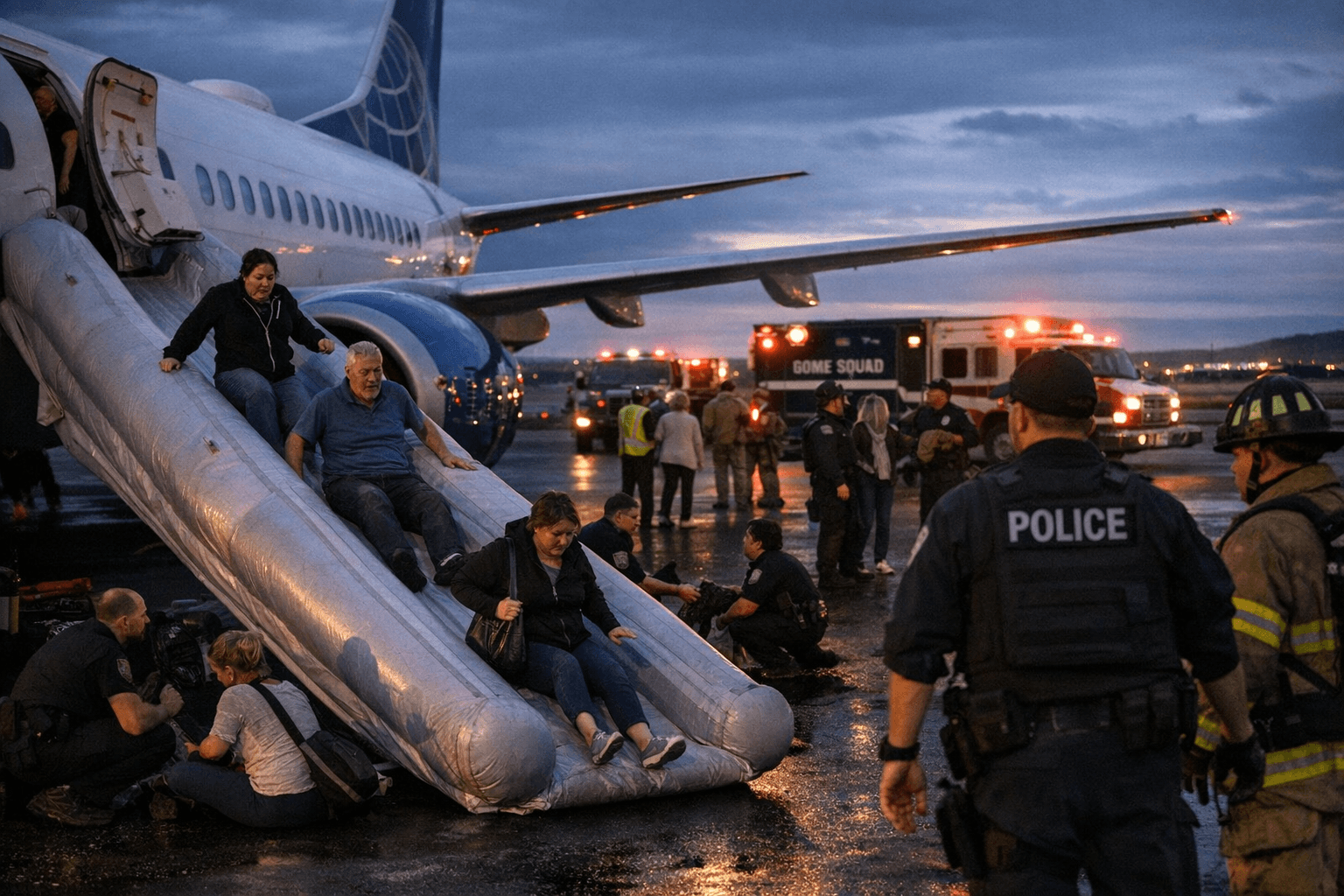
The most recent case unfolded at Denver International Airport on Sunday evening, April 19, 2026, when United Flight 2408 from Denver to Washington Dulles was evacuated after a reported bomb threat. United said 200 passengers and seven crew members deplaned safely from the Airbus A321. The aircraft was screened and cleared, and passengers were later returned to the gate with food and water while they waited for the flight.
A day earlier, United Flight 2092 from Chicago O’Hare to New York’s LaGuardia was diverted to Pittsburgh after what officials described as a security concern. The Boeing 737 carried 159 passengers and six crew members when it was met by a bomb squad at Pittsburgh International Airport. The Allegheny County Police Department’s Explosive Ordnance Disposal team and K9 units swept the plane and found no hazards. FBI Pittsburgh said Special Agent Bomb Technicians and Special Agents were assisting local authorities in the case. Passengers were rebooked onto another aircraft to continue to New York.
The two incidents fit a broader aviation pattern in which a threat that proves false can still trigger a major response. In November 2025, a reported bomb threat against another United flight from Houston briefly stopped all flights in and out of Reagan Washington National Airport. The FBI later said its National Capital Response Squad responded and found no hazards. Passengers described being moved away from the airport, buses arriving and a long wait while authorities investigated.
That layered response is the point: an airline reports a security concern, airport police or bomb technicians move in, federal agents join the investigation, and the aircraft is either evacuated on the tarmac or taken to a secure area for screening. Even when no explosive device is found, the consequences can include diversions, runway stoppages, rebooking cascades and hours of delay.
For airlines and regulators, the question is less whether the planes were safe than whether repeated false alarms are becoming an enforcement challenge and a perception problem. The costs are immediate and visible, hundreds of travelers disrupted, airport operations slowed and public fear sharpened, even when the final finding is the same: no hazard was there.
This article was produced by Prism’s automated news system from verified source data, official records, and press releases, then run through automated quality and moderation checks before publishing. The system is built and supervised by the people who set the standards it runs under. Read our full AI policy.
Did this article answer your question?