Bond Markets Pour Hundreds of Billions Into AI Infrastructure Build-Out
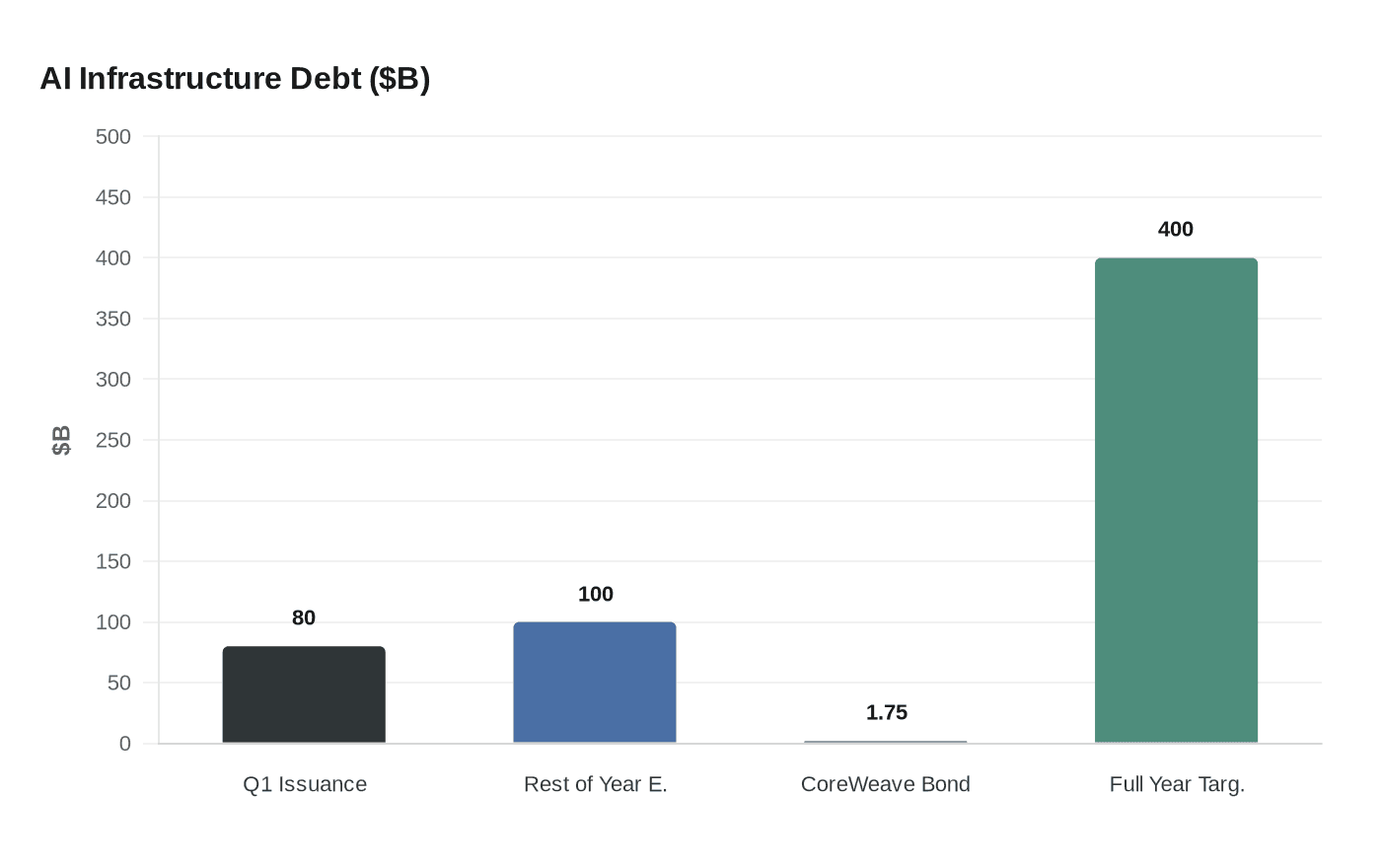
Morgan Stanley estimated $400 billion in high-grade debt will finance AI infrastructure this year, with Oracle, Alphabet and Amazon already pulling in $80 billion in Q1.
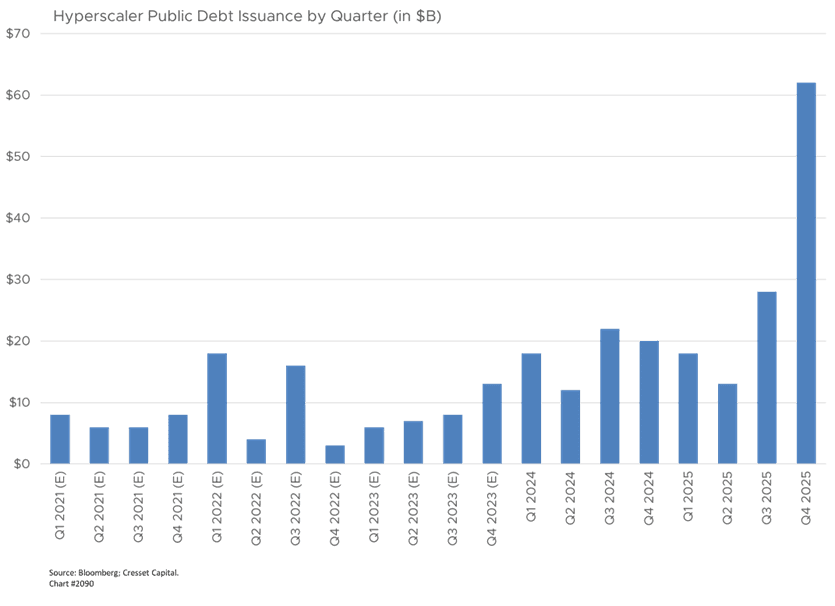
Credit markets committed to financing the AI boom at a scale that rivals some national budgets. Morgan Stanley maintained an estimate of roughly $400 billion in high-grade debt issuance for the full year to underwrite hyperscaler expansion and AI infrastructure, as bond investors showed little sign of cooling on the sector despite broader geopolitical and market turbulence.
The numbers behind that projection were already taking shape. Companies including Oracle, Alphabet and Amazon collectively raised more than $80 billion in dollar-denominated debt during the first quarter alone. Bank and market sources estimated that jumbo bond sales from hyperscalers could surpass an additional $100 billion over the remainder of the year, funding the data centers, specialized hardware and energy-intensive compute capacity required by large language model training and inference at scale.
The appetite extended beyond investment-grade issuers. CoreWeave completed a $1.75 billion junk-bond sale to fund additional AI computing capacity, a transaction that illustrated how credit markets were reaching further down the quality spectrum to participate in the build-out.
Brett Kozlowski of GW&K Investment Management described the dynamic as self-reinforcing. "We're in one of those sort of self-fulfilling bull markets for AI," Kozlowski said, explaining that available issuance draws in buyers, whose demand in turn enables further issuance. Kelly Kowalski of MassMutual noted that demand for high-quality, AI-linked issuers remained strong even as credit spreads tightened, because large investment-grade firms were widely perceived as solid credits within the context of AI investment demand.
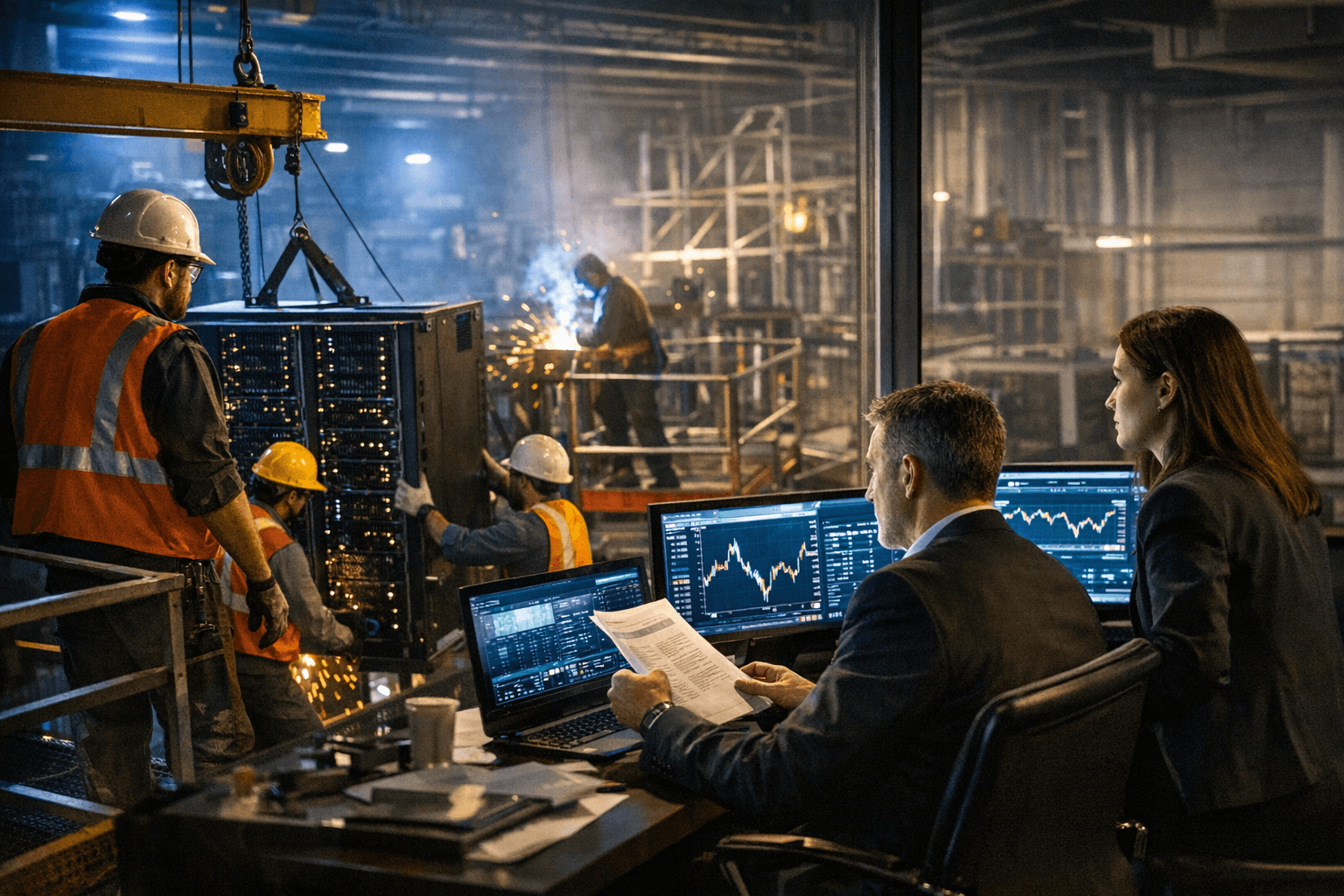
The scale of debt financing marked a structural shift in how the AI industry funds itself. Venture capital and equity markets have historically absorbed the sector's early-stage capital needs, but the current wave of datacenter construction and chipmaking investment drew in institutional bond buyers and bank loan syndicates. Those lenders managed concentration risk through loan sales, risk transfer arrangements and syndications rather than holding large exposures outright.
Macro headwinds have not dissipated. Energy price pressures tied to Middle East unrest added cost uncertainty to projects whose economics depend heavily on cheap, reliable power. Analysts cautioned that a sustained spike in energy or interest costs could stress the long-dated financings underpinning many AI infrastructure projects, and that a sharp pullback in investor risk tolerance could slow new issuance.
Whether that appetite holds through energy shocks and rate volatility will largely determine how quickly the next generation of AI compute infrastructure comes online.
This article was produced by Prism’s automated news system from verified source data, official records, and press releases, then run through automated quality and moderation checks before publishing. The system is built and supervised by the people who set the standards it runs under. Read our full AI policy.
Did this article answer your question?

