Bordeaux aerospace hub faces growing wildfire risk as fires near airport spread
Fire near Bordeaux-Mérignac Airport exposed a hub of 300 aerospace firms and 20,000 jobs, raising risks for France’s defense and space supply chains.
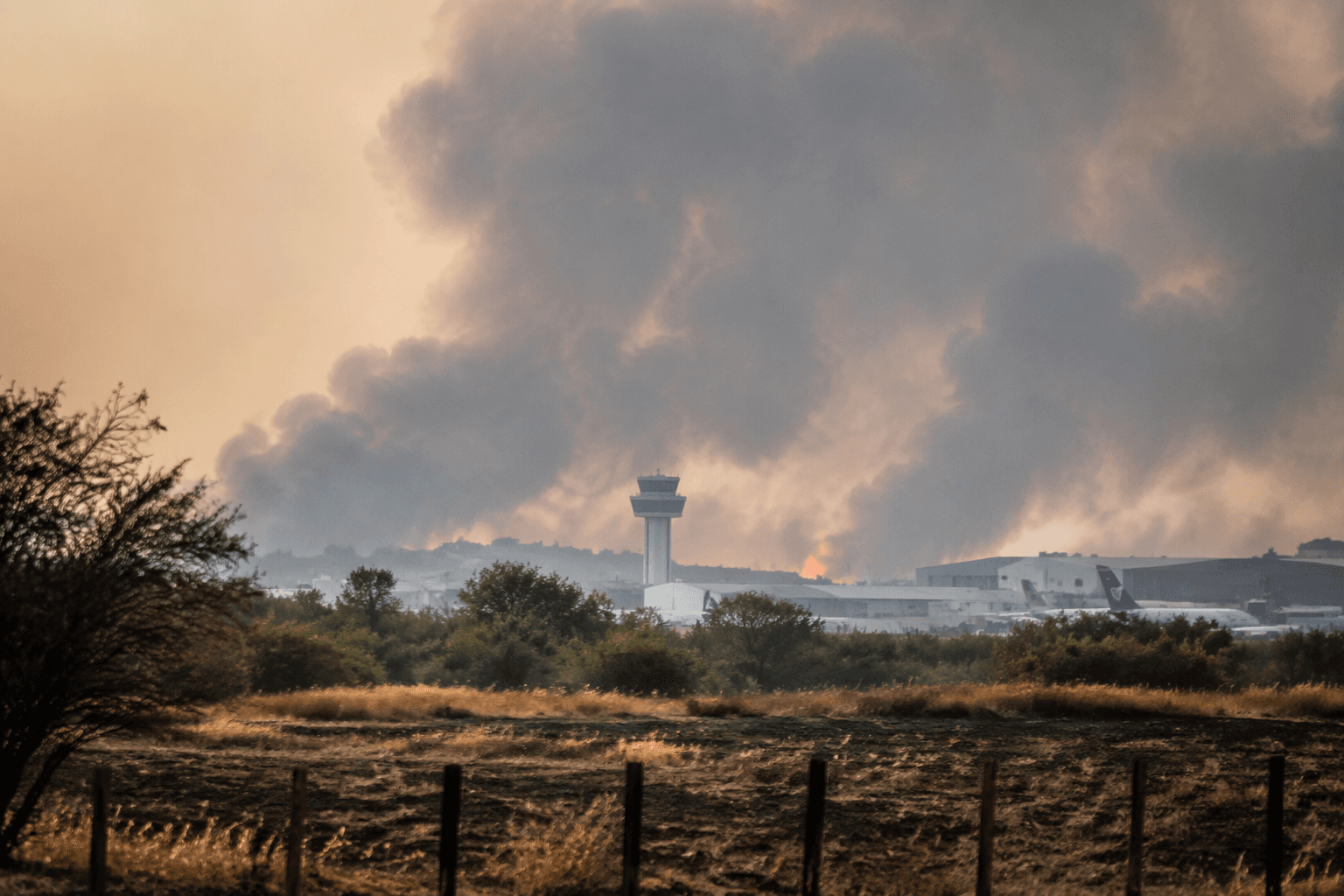
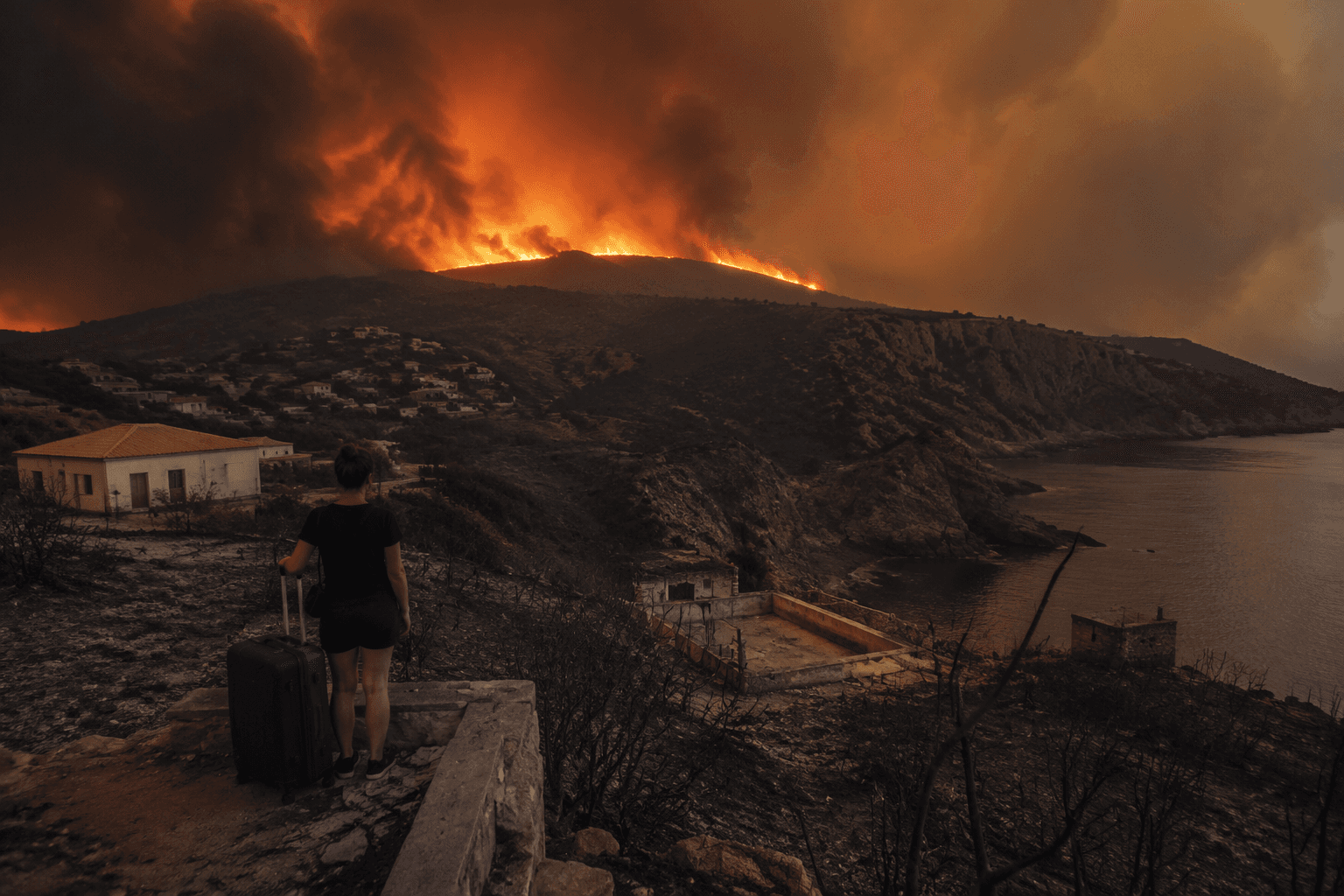
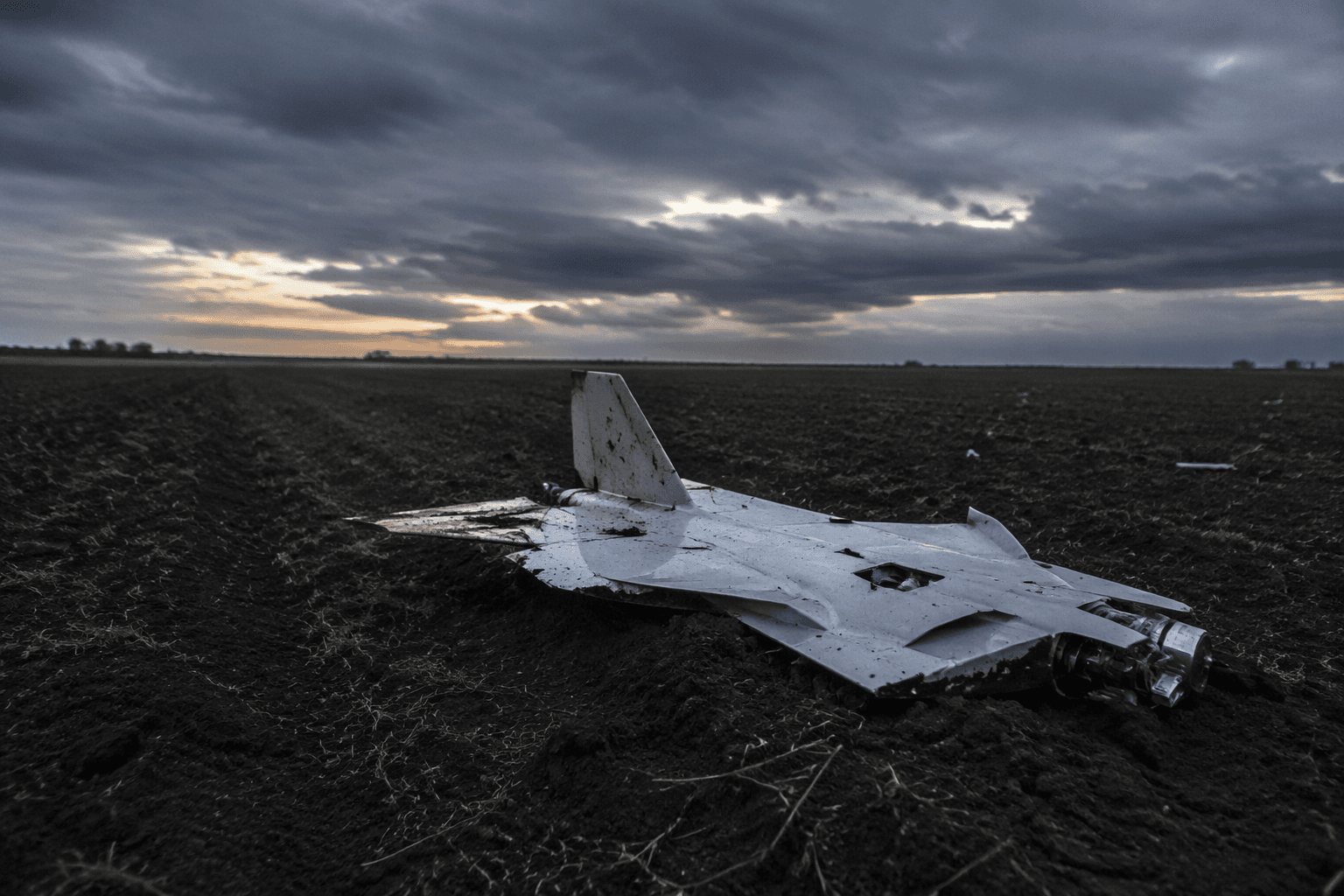
A wildfire near Bordeaux-Mérignac Airport killed two firefighters in July 2026 and pushed France to deploy an A400M military transport aircraft to drop flame retardant, while evacuation orders grew to more than 100,000 people. The blaze also moved into the shadow of one of France’s most concentrated aerospace and defense corridors, where facilities tied to ArianeGroup, Dassault Aviation, Safran, Thales and Roxel France sit inside a cluster that is increasingly treated as strategic infrastructure.
Bordeaux Gironde is described in a 2024 Invest in Bordeaux brochure as the country’s third aerospace and space employment basin, with about 300 companies, 20,000 civilian jobs and roughly €2 billion in annual turnover. That concentration means fire risk around Mérignac, Pessac, Lacanau and Lege-Cap-Ferret is no longer just a local land-management problem. It is a threat to production schedules, high-value materials and the wider procurement chain that supports French and European civil and military programs.
The danger has already been tested. In August 2022, major wildfires burned near Bordeaux during a summer marked by successive heatwaves and the worst drought on record in France. In July 2026, reporting again placed aerospace and defense sites under threat as the fire advanced near the airport, with more than 42,000 hectares burned in Gironde in some accounts. The pattern has made the Bordeaux area a case study in how climate-driven fire risk can collide with industries that depend on continuity, security clearances and tightly controlled logistics.
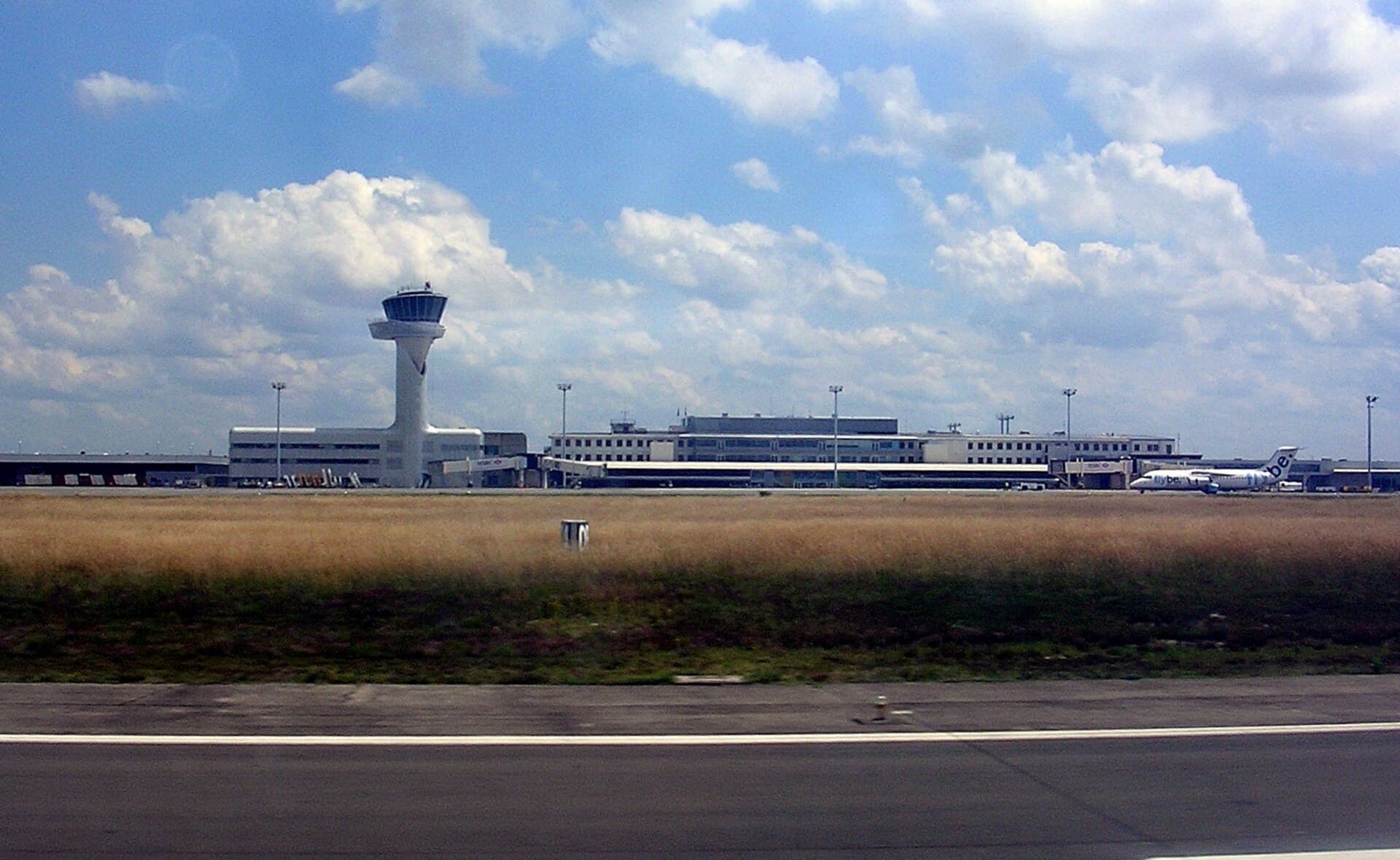
That overlap is visible in the region’s own public programming. Aerospace Valley held a March 25, 2025 event in Bordeaux on the evolution of forest fires and aerial firefighting aircraft. The next day, Aerial Fire Fighting Europe brought together the French Ministry of the Interior, Sécurité Civile, Aerospace Valley, Bordeaux Technowest, Bordeaux Métropole, Région Nouvelle-Aquitaine and Bordeaux Tourisme & Congrès. The back-to-back meetings underscored how fire response and aerospace manufacturing now share the same regional map.
The stakes extend beyond Gironde. If a wildfire shutters plants or interrupts testing, France’s defense industrial base and Europe’s space supply chain face delays that can ripple into military procurement, satellite programs and commercial aviation contracts. Bordeaux’s fires have shown that the frontier between environmental disaster and industrial vulnerability is now the same line on the map.
This article was produced by Prism’s automated news system from verified source data, official records, and press releases, then run through automated quality and moderation checks before publishing. The system is built and supervised by the people who set the standards it runs under. Read our full AI policy.
Did this article answer your question?