How to handle holiday cancellations amid Europe’s wildfires
Wildfire headlines do not decide refunds. Your money-back rights hinge on whether a flight is cancelled, a hotel is evacuated, or insurance makes the loss covered.
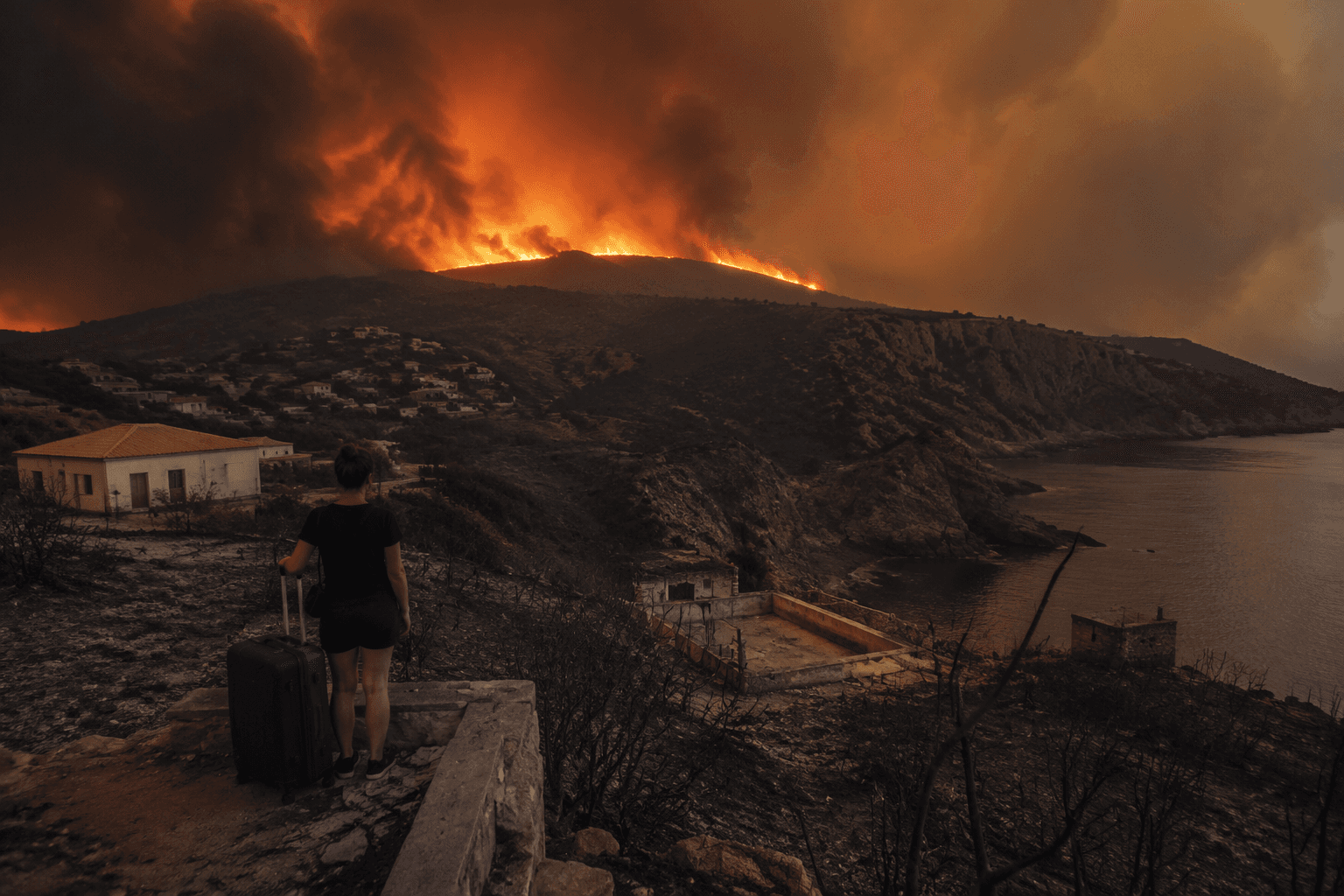
A cancelled flight, an evacuation of your accommodation, or a changed official travel warning can unlock a refund, a rebooking, or an insurance claim if wildfire disruption threatens your France or Spain holiday. Those are the triggers, not whether the smoke looks bad on television.
Check the trigger first
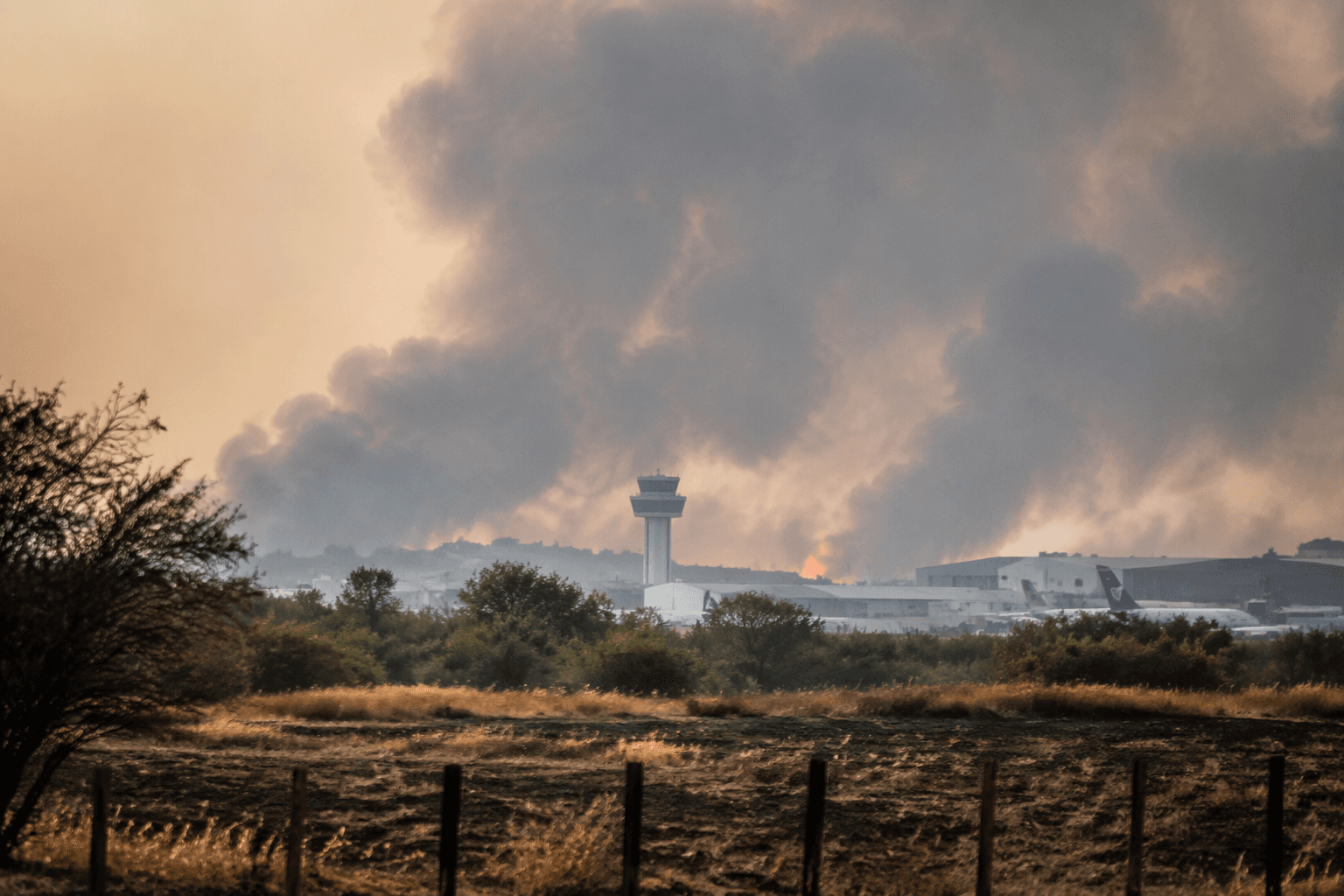
In July 2026, estimates ranged from more than 250,000 evacuees across Spain and France to more than 300,000 people forced from their homes. Spain declared a national emergency as fires burned out of control near Madrid, where at least 30,000 people were evacuated, and French authorities cleared the Cap Ferret peninsula, with some people leaving by boat.
A cancelled flight, an evacuation order, and a government travel warning each sit in a different legal lane. If you wait until the last minute, you may still lose money, but cancelling too early can leave you paying for a trip that would otherwise have been refunded or rerouted by the airline or tour operator.
If your flight is cancelled or your airport closes
Flight-only bookings usually give you the cleanest rule set. Under EU passenger rights, if the airline cancels the flight, you are normally entitled to choose between a refund and rerouting, rather than simply absorbing the loss yourself. If the flight is moved to another day, the airline also has care obligations, including practical help with accommodation and transport if you are stranded.
If the closure leads to a cancellation, the airline’s responsibility is engaged; if the airport remains open and you decide not to travel because of wildfire concerns, your position is much weaker. The practical step is to wait for the airline’s notice, then ask for the refund or alternative routing in writing before you spend money elsewhere.
If you booked a package holiday
Package trips usually give you the strongest protection because one organiser is responsible for the combined flight, hotel and transfers. If wildfire disruption makes the package impossible or materially different, the organiser is the first place to seek a free amendment, a different departure date, or a refund. That is the pattern holidaymakers saw during the Rhodes fires in 2023, when airlines and holiday companies scrambled to bring tourists home and up to 10,000 British tourists were on the island.
The Rhodes fires in 2023 showed how quickly a package can unravel once evacuation orders arrive. When a destination becomes unsafe enough that travellers are moved to temporary shelters, the organiser cannot just treat the trip as normal. In practice, the question is whether the package has been cancelled or changed by the company, not whether the travel warning on your phone looks alarming.
If you arranged the trip yourself
Independent bookings carry the most risk because each part of the trip is governed separately. A hotel may close under its own fire safety policy, a villa owner may treat the event as force majeure, and your airline may still be operating if the airport stays open. That means you can end up with one refund, one partial credit, and one non-refundable bill all in the same trip.
Keep the airline cancellation, the hotel evacuation notice, any local authority order to leave, and proof of the extra costs you incurred because of the disruption. If you booked flights, accommodation and transfers separately, no single company is responsible for the whole holiday in the way a package organiser is.
Where insurance helps, and where it does not
Travel insurance is often the difference between a painful loss and a manageable one, but wildfire cover is not automatic. Some policies do not cover every wildfire-related loss, and some insurers only add natural-disaster protection as an extra. Before you rely on a policy, check whether it covers cancellation, curtailment, emergency evacuation, and extra accommodation if smoke, road closures or an evacuation order force you to move.
Official advice also matters. Some policies are linked to government travel warnings, while others are not, so the same wildfire can be covered for one traveller and excluded for another depending on the policy wording. If you are insured, claim only once you have the documentary trigger: an evacuation order, a cancelled flight, a closed airport, or written confirmation that the organiser has changed the trip.
Why France and Spain are the hardest calls right now
The current fire season has hit places that matter to summer travellers. Flames threatened Bordeaux as strong winds pushed them toward the city, and on 23 July 2026 a fire in France forced thousands to flee in tinder-box conditions. There were also impacts in mainland Greece, some Greek islands, Turkey and the Balkans, showing how quickly one summer route can turn into a chain of disrupted bookings across southern Europe.
France has also seen nearly 50,000 hectares burned in some departments this year. French minister Éléonore Caroit urged tourists not to cancel their plans to France. A wildfire in one region does not automatically make every French or Spanish holiday non-viable. The decision still turns on the exact route, resort, airport and booking type.
The practical decision tree
Start with the booking type, then move to the trigger:
- Package holiday: contact the organiser first if the flight, hotel or transfer is cancelled, the destination is evacuated, or the itinerary is materially changed.
- Flight-only: if the airline cancels or the airport closes, ask for a refund or rerouting.
- Independent booking: check each contract separately, then turn to insurance for covered losses, extra transport or accommodation.
- No formal cancellation or evacuation: cancellation on your own may cost you more than waiting for the operator’s decision.
This article was produced by Prism’s automated news system from verified source data, official records, and press releases, then run through automated quality and moderation checks before publishing. The system is built and supervised by the people who set the standards it runs under. Read our full AI policy.
Did this article answer your question?