Boston Dynamics tests Atlas in Hyundai factory as AI robot race heats up
Atlas is sorting roof racks at Hyundai’s Georgia plant, a real factory test that puts Boston Dynamics in a race with Tesla and Chinese rivals.
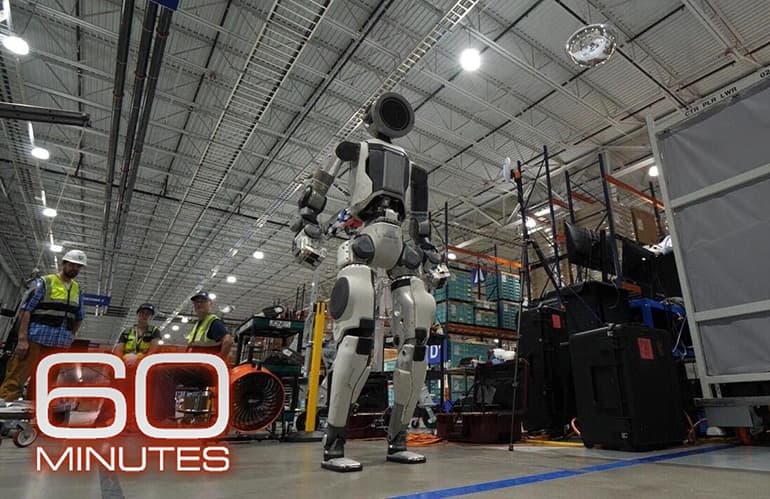
Boston Dynamics is putting Atlas to work on roof racks at Hyundai’s new plant near Savannah, Georgia, a test that moves the humanoid robot race out of polished demos and into a factory where speed, safety and labor costs matter. The 5-foot-9, 200-pound machine is being trained to sort parts for the assembly line, a task that looks mundane but is exactly the kind of repetitive work robotics companies hope to claim first.
The plant itself shows how crowded that future already is. More than 1,000 robots work alongside almost 1,500 humans there, making Hyundai’s factory a live proving ground for whether humanoids can fit into industrial production without slowing it down. If Atlas can do the job reliably, it would strengthen the case for robots that can move beyond fixed welding arms and into tasks that require more flexibility, judgment and coordination.
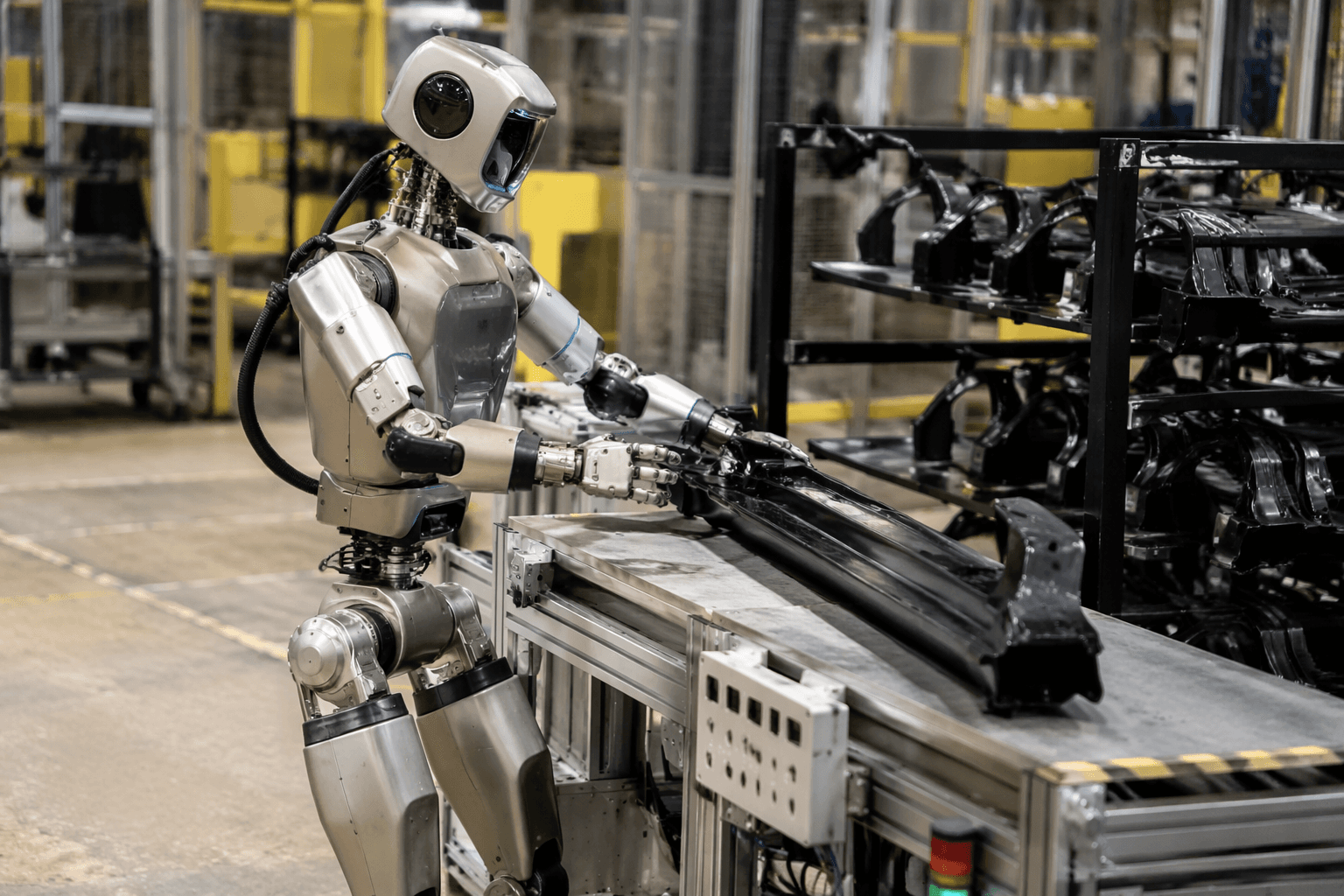
The stakes are high for Boston Dynamics, a Massachusetts company valued at more than a billion dollars and controlled by Hyundai, which holds a 90% stake. That ownership gives Hyundai a direct interest in whether Atlas becomes a usable factory tool, not just a headline-making prototype. The broader market is watching the same question. Tesla is in the race, along with startups backed by Amazon and Nvidia and state-supported Chinese companies, all competing to show that humanoids can deliver practical labor at a price factories will actually pay.
For workers and managers, the issue is not whether robots look human, but whether they can be trusted around people, parts and production targets. The factory test suggests the industry is reaching a more consequential phase: less about stage-ready walking and more about whether a robot can sort roof racks all day without creating new bottlenecks or safety problems. That is where the economics start to change, and where the winners will likely be the companies that turn flashy engineering into dependable, scalable labor.
This article was produced by Prism’s automated news system from verified source data, official records, and press releases, then run through automated quality and moderation checks before publishing. The system is built and supervised by the people who set the standards it runs under. Read our full AI policy.
Did this article answer your question?