Self-view on video calls may fuel fatigue and facial dissatisfaction
Fatigued people were more likely to conform in virtual meetings, and Stanford found women felt more exhausted than men after calls when self-view stayed on.
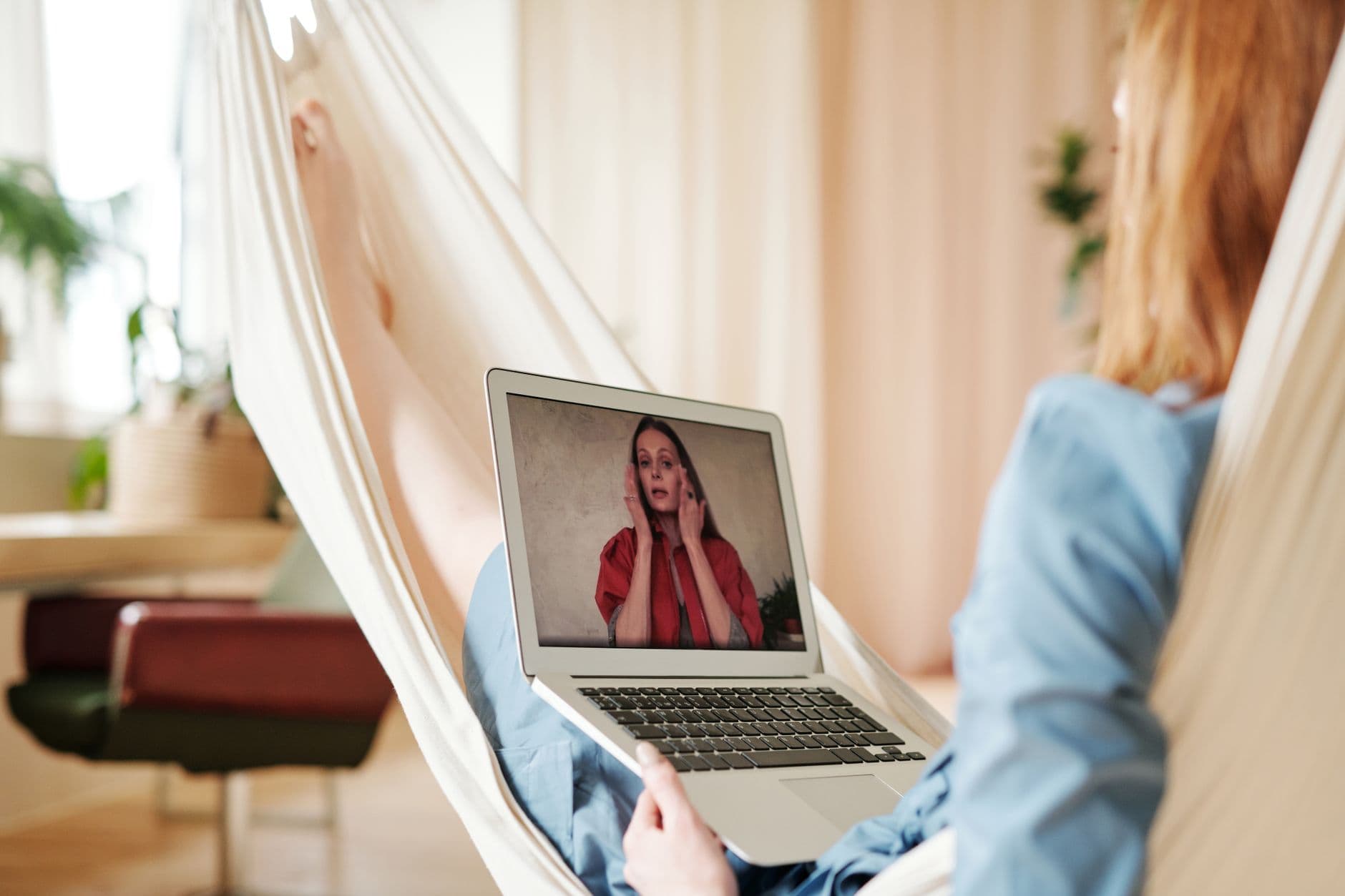
Fatigued people were more likely to conform in virtual meetings in a 2024 study in Scientific Reports, adding behavioral evidence to the growing case that constant self-view is changing how people act online. Stanford researchers had already found that women reported feeling more exhausted than men after video calls, with the self-view display potentially to blame.
Jeremy N. Bailenson, a Stanford professor, described videoconference design as creating “nonverbal overload” in his 2021 paper on Zoom fatigue. Stanford’s Zoom Exhaustion & Fatigue Scale paper was available online on July 6, 2021, and it built on a pandemic-era shift that forced a drastic increase in videoconference meetings as Zoom became the leading software because it was free, robust and easy to use. A May 2, 2023 University of Arkansas piece later said Zoom fatigue may be here to stay.

The evidence has since widened beyond tiredness. Stanford’s Virtual Human Interaction Lab said viewing self-video during videoconferences can trigger negative self-focused attention and facial dissatisfaction, while a 2024 New York Institute of Technology article said focusing during Zoom meetings requires more energy than in-person discussions. A 2024 Dartmouth thesis examined self-view and attention during video conferences in the context of “Zoom dysmorphia,” underscoring how the mirror on a screen can shift from convenience to fixation. The pattern is especially relevant in workplaces and schools that have kept video on as a default, even as the psychological cost has become easier to measure.
The same self-surveillance logic has spread to the front door. Amazon’s Ring doorbell system has become familiar across North America, and a 2020 Washington Post article said Ring and Nest helped normalize American surveillance. A 2022 Springer article described Ring as part of “consumer-initiated surveillance,” and a Loyola Marymount University feature said 68 million American homes are equipped with doorbell cameras. In October 2021, the BBC reported that a judge in Oxfordshire ruled security cameras and a Ring doorbell had “unjustifiably invaded” a neighbor’s privacy.
Taken together, the research points to a culture built around watching oneself and others in real time. If video platforms and home cameras are amplifying fatigue, facial dissatisfaction and social pressure, the pressure is no longer just personal habit. It is a design choice, and that choice is now visible in meeting rooms, classrooms and doorbells alike.
This article was produced by Prism’s automated news system from verified source data, official records, and press releases, then run through automated quality and moderation checks before publishing. The system is built and supervised by the people who set the standards it runs under. Read our full AI policy.
Did this article answer your question?