Boutique Baby Shower Studios Build Scalable Packages Around Experiential Demand
Boutique studios capturing 2026's shift to intimate, experience-first showers are building three-tier packages that turn soft aesthetics and weekday demand into repeatable, high-margin revenue.

The signal has been building for two years, and by now it's impossible to ignore. Baby showers in Brooklyn have changed more in the last two years than in the past decade. Gone are the heavy themes, balloon walls, and chaotic group games. Today's celebrations are more intentional, softer, calmer, and deeply aesthetic. Bat Haus, the Williamsburg event studio that has hosted hundreds of showers, calls it a shift toward "gentle gathering": events that prioritize connection, beauty, and emotional presence. For boutique planners, that shift is not just a design cue. It's a revenue blueprint.
Intimate guest lists of 20 to 35 people are now the norm, and baby showers are becoming less about volume and more about emotional connection. Hard themes like safari, "under the sea," and mermaid are fading fast, while soft, grown-up, intentional aesthetics are rising. Weekday bookings are climbing too, driven partly by lower venue costs and reduced vendor conflicts. Weekday and daytime events are generally more budget-friendly, and weekend Saturdays and evening events command higher prices due to demand. The combination of smaller headcounts, softer decor, and off-peak timing creates a structural opportunity: standardize your offers, own the upsell path, and protect margin at every tier.
Build Three Tiers, Not a Menu
The packaging trap most boutique studios fall into is offering too many custom variables. The answer is a three-tier architecture that gives clients clear choices while keeping your production costs predictable.
The entry-level "Essentials" package positions your studio as the logistics backbone. You supply the space, a basic design kit (table linens, minimal florals), and labor for setup and cleanup. Pricing in small markets can run as a flat fee in the $400 to $900 range with per-head add-ons layered on top. Margin is reached not by cutting corners but by simplifying decor: use rental or pre-built kits that your team can deploy in under an hour. The natural add-on at this tier is a curated favor pack or a host-supplied "thank-you" bundle, sold at booking rather than as an afterthought.
The mid-tier "Experiential" package is where most 2026 demand is clustering. Studios like Bat Haus offer floral arranging workshops and other creative classes that have become a Brooklyn signature for this kind of event. Your Experiential package formalizes that by bundling a one-hour activity led by a contracted third-party vendor (a floral instructor, a pottery facilitator, a guided journaling host), a premium snack or light brunch menu, an enhanced centerpiece, and basic photography coverage. Gross margin targets here typically fall in the 20 to 35 percent range after vendor fees. The lever is operational efficiency: standardize the same activity format across multiple bookings per month so your instructor cost becomes predictable and your markup holds.
The premium "Bespoke Luxury" tier is built for the client who wants a fully designed event. Custom themes, multi-course catering or a chef activation, premium rentals, keepsake favors, and co-created experiences like sound baths or guided journaling sessions all belong here. Because headcounts are smaller and the client is buying curation rather than capacity, gross margin targets commonly reach 40 percent and above. Hosts increasingly want events that focus on one beautiful visual moment rather than many decor areas, which creates impact without overwhelming the space. That preference is actually your ally at the luxury tier: fewer moving parts, higher perceived value, stronger margin.
The Vendor Rate Card Is Your Foundation
None of the three tiers holds margin without locked-in supplier pricing. Build fixed-rate agreements with florists, caterers, and activity instructors specifically for weekday slots. Vendors often accept lower rates for guaranteed weekday bookings that would otherwise sit empty, and that spread between their weekday rate and your package price is where your activity markup lives. Formalize those agreements in a vendor rate card template that your team can reference when building quotes: list the vendor name, service description, agreed unit cost, your markup percentage, and the client-facing line item price. When your sales process runs from a template rather than from memory, quote turnaround accelerates and pricing errors disappear.
Template Everything, Surprise Nothing
Create itemized package templates for each tier so that clients can compare deliverables line by line. A clear comparison removes the friction that leads to stalled bookings. When a client can see exactly what moves from Essentials to Experiential (the activity, the enhanced florals, the brunch upgrade), the upsell becomes a logical decision rather than a sales pitch.
The production side needs equal discipline. Build time-blocked production timelines for every package tier. Weekday events, in particular, compress your setup windows because vendors are often coming from other jobs. A checklist that specifies delivery times, setup sequence, and breakdown responsibilities by role eliminates the last-minute labor costs that quietly kill weekday profitability.
Script the Upsell Path
The upsell architecture should be visible at the moment of booking, not surfaced afterward. When a client is configuring their Essentials or Experiential package, present experiential add-ons (a photobooth hour, a curated favor box, a class voucher for the group) as simple line items with fixed prices. The key is that none of these additions should require custom quoting: they are productized, priced, and ready to click.
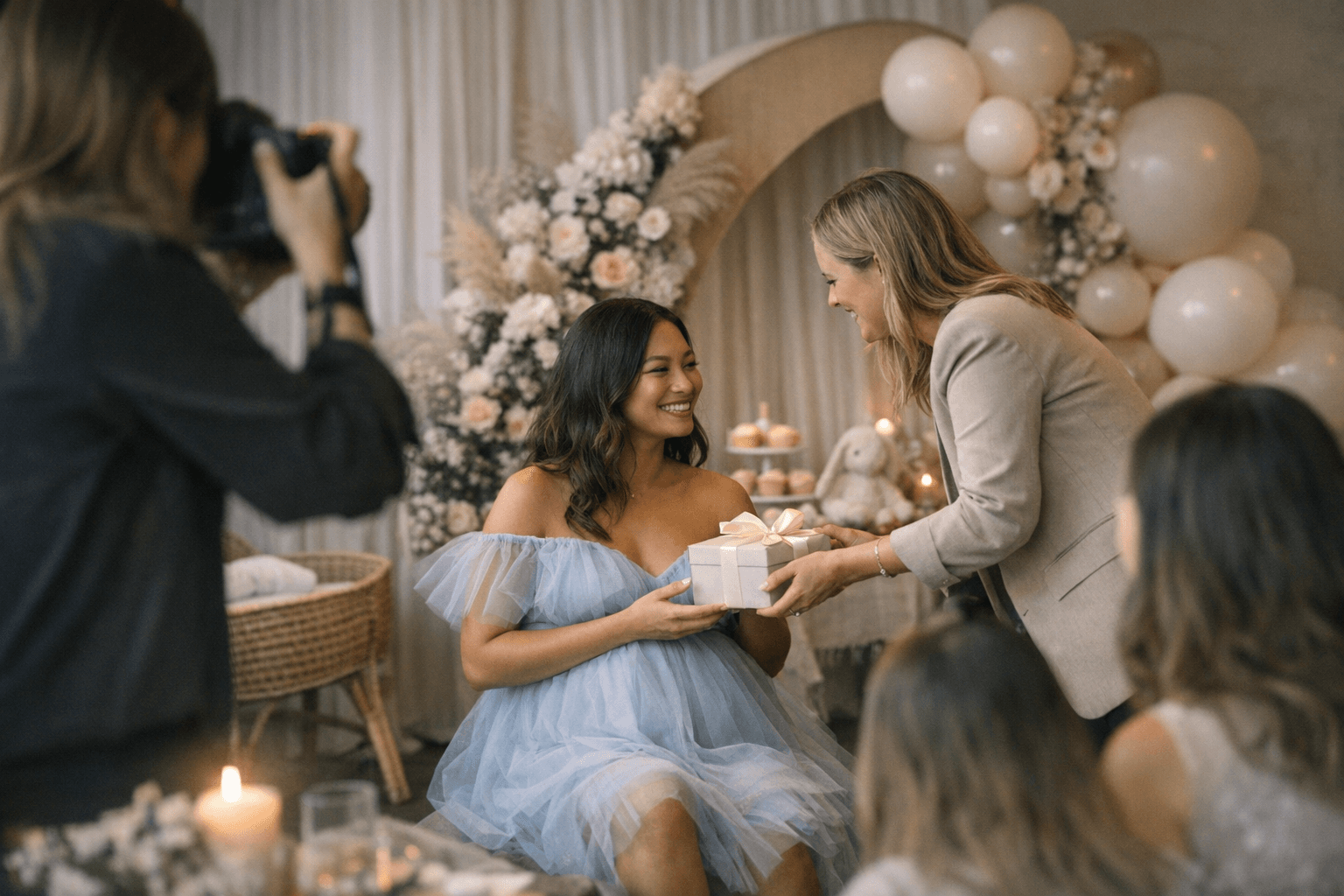
Creative gatherings have become the new Brooklyn signature, with flower arranging and keepsake-making replacing traditional games. That means a florist-led workshop offered as a $250 add-on to an Essentials booking is not a stretch sell; it is exactly what the client was already considering. Frame add-ons as "what most hosts at this tier add" rather than extras, and your attach rate will reflect that framing.
Contracts, Insurance, and Substitution Clauses
Boutique planners running a repeatable operation need contracts that reflect operational reality. Include cancellation and deposit terms, minimum liability insurance thresholds for the studio itself, and a requirement that all activity vendors present certificates of insurance before activation. Candle stations, sound installations, and pottery wheels each carry specific liability exposure that your general policy may not cover without vendor-level certificates.
The substitution clause is equally important and often overlooked: if a named vendor is unavailable, your contract should give you explicit authority to assign an approved substitute without triggering a client dispute. As you build a roster of vetted vendors at fixed rates, that clause becomes routine protection rather than an emergency measure.
Extend Revenue Beyond the Event
The same packaging logic that scales your studio can extend into retail and registry channels. Pre-bundled "Host Kits" (linens, signage, games, favor supplies) designed around the Essentials package can be listed on registry platforms or sold direct to hosts who want to DIY the logistics. Experience vouchers, where a dollar amount contributed by guests funds a florist-led workshop or sound bath, are a natural fit for registry platforms that already handle gift contribution models.
Peerspace data shows baby shower venues average $143 per hour to rent, with smaller spaces running closer to $97 and larger venues approaching $179. Planners who package venue, programming, and decor together consistently command per-head rates that make hourly venue comparisons irrelevant. The product is not the room; it is the curated experience inside it.
The studios that will scale this model are the ones that treat standardization as a creative constraint rather than a compromise. The 2026 baby shower is simple, emotional, soft, and beautifully designed. A well-built package architecture delivers exactly that, every time, at a margin that makes the business worth running.
Sources:
Know something we missed? Have a correction or additional information?
Submit a Tip