Brazil cuts diplomatic footprint in Argentina amid Milei-Lula feud
Brazil cut its diplomatic presence in Argentina to chargé d'affaires level after Milei again attacked Lula, deepening a feud that could slow Mercosur coordination.
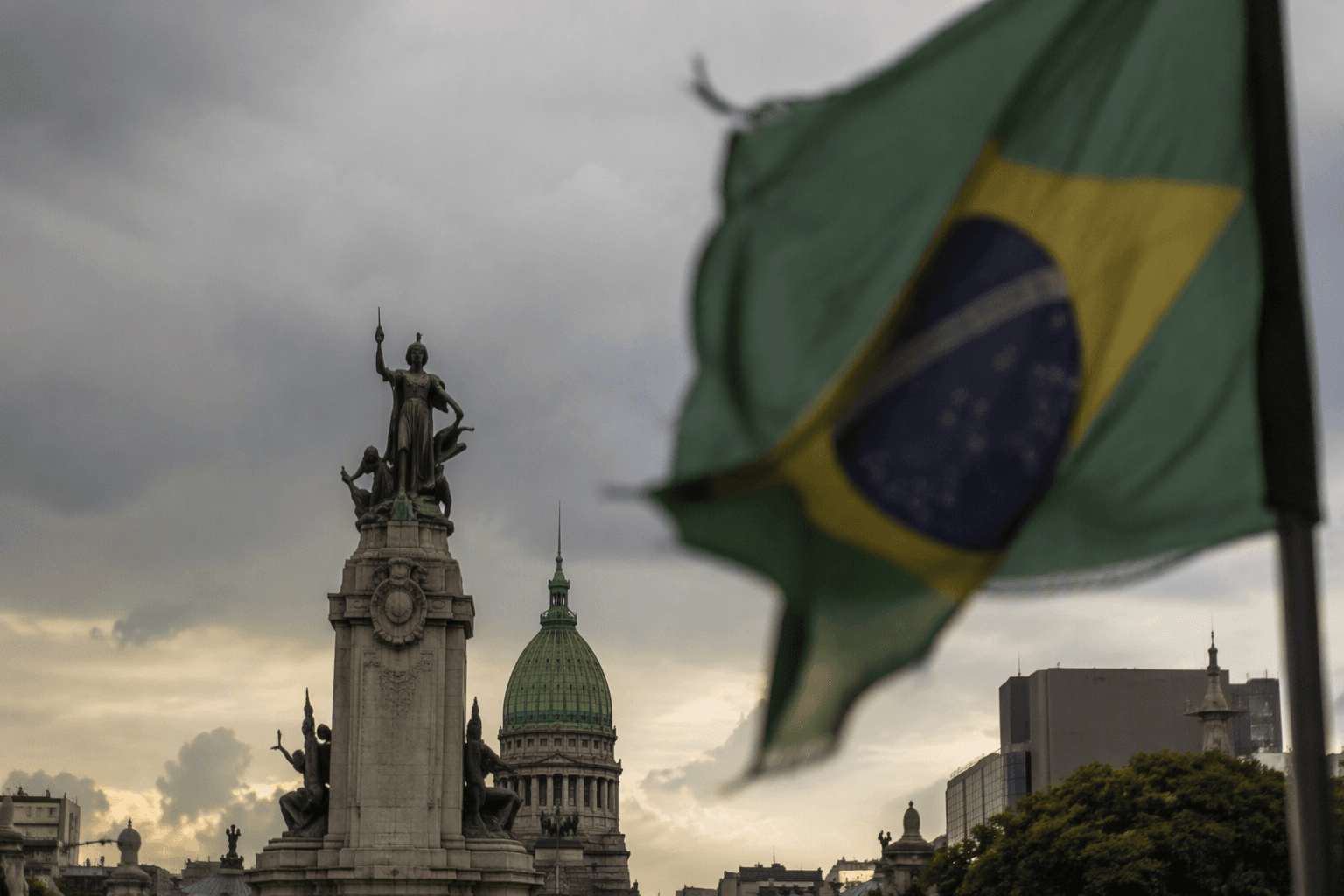
Brazil reduced its diplomatic presence in Argentina after Javier Milei renewed his attacks on Luiz Inácio Lula da Silva, pulling the relationship down to chargé d'affaires level instead of keeping a full ambassador in Buenos Aires. The downgrade stopped short of a complete break, but it marked a sharper diplomatic turn between South America’s two largest economies.
The escalation followed a string of public insults. Brazil recalled its ambassador, Julio Bitelli, for consultations on July 26 after Milei attacked Lula. A day later, during an event formally nominating right-wing candidate Flavio Bolsonaro, Milei called Lula a “convict” and a “thief.” By August 4, Brazil had lowered the relationship to chargé d’affaires level after Milei called Lula a “thief” for the third time in days.
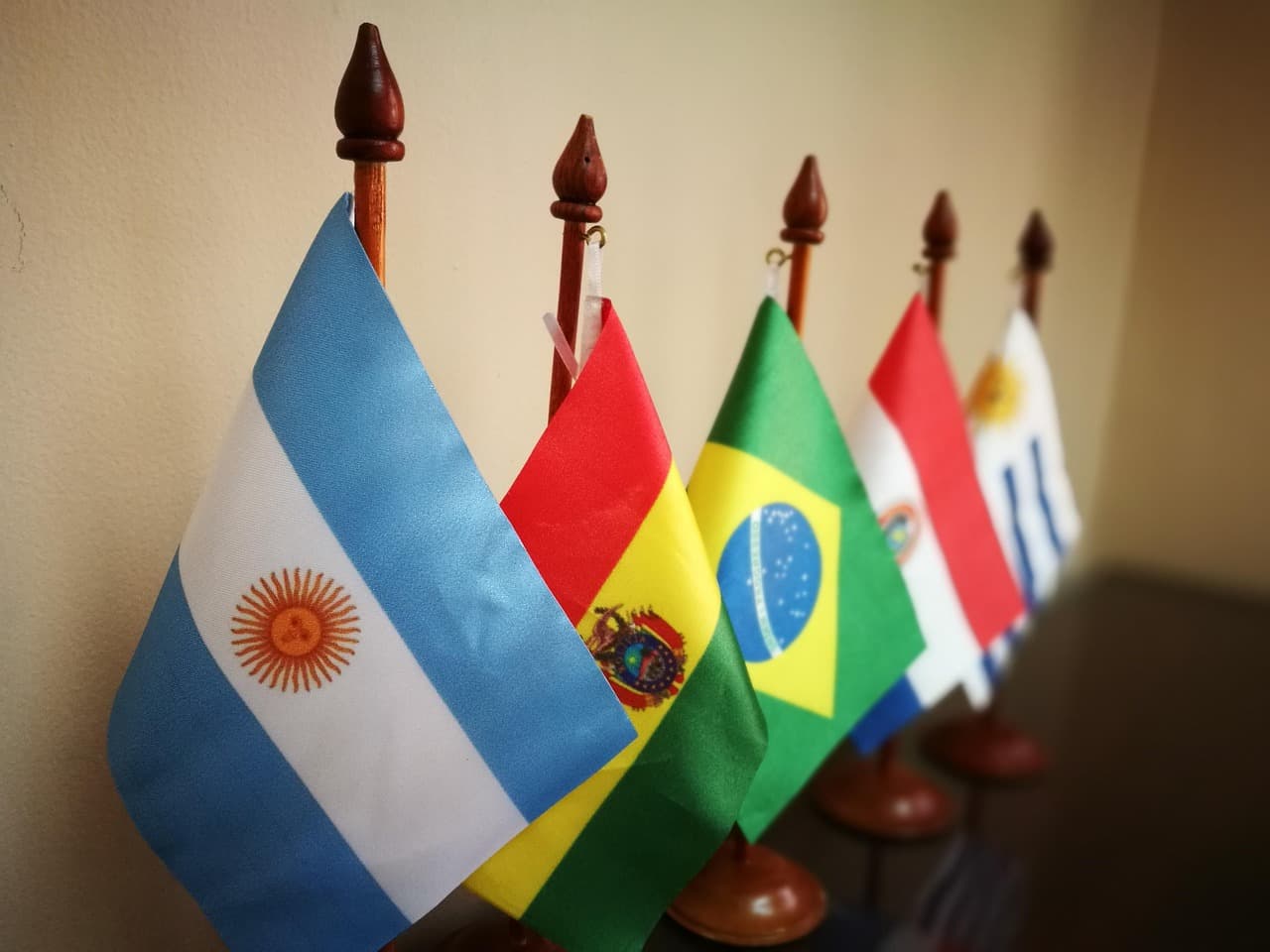
That matters in practical terms because an embassy downgrade is not just symbolic. It reduces the political bandwidth for negotiations, narrows day-to-day consular support and makes it harder to coordinate on border management, trade disputes and investment issues. Brazil and Argentina sit at the center of Mercosur, and when their leaders are feuding, the bloc loses some of its weight as a regional counterbalance at a volatile political moment.
The move also shows how quickly personal and ideological conflict can spill into statecraft. Milei, a right-wing libertarian, has repeatedly positioned himself against left-leaning governments across the region, while Lula has cast Brazil as a stabilizing force in Latin American politics. Their clash has now moved beyond rhetoric into a formal reduction in diplomatic representation, with Brasília signaling that repeated public insults carry a cost.

Even so, the rupture remains limited. Argentina said diplomatic and trade relations with Brazil would not be affected, and Reuters reported that Buenos Aires would not take retaliatory action over the downgrade. That leaves basic channels open, but at a lower level and with less room for rapid problem-solving if disputes over trade, borders or regional policy intensify.
This article was produced by Prism’s automated news system from verified source data, official records, and press releases, then run through automated quality and moderation checks before publishing. The system is built and supervised by the people who set the standards it runs under. Read our full AI policy.
Did this article answer your question?