Italy puts all major cities on red alert as heat wave worsens
Italy put 25 of 27 major cities under its highest heat alert as Austria hit 41C, exposing hospitals, grids and outdoor work to fresh strain.

Italy placed 25 of its 27 major cities under its highest heat alert as the fourth heat wave of the summer peaked and temperatures in many places were forecast to reach around 40C. The bollino rosso designation signals dangerous conditions for more than older adults and people with medical problems, putting anyone who spends long hours outdoors at risk in cities such as Rome, Florence, Milan and Naples.
Austria added another warning sign for a continent already under pressure. Vienna’s Stammersdorf district reached 40.8C, then Austria recorded a new all-time national high of 41C on Aug. 4 or Aug. 5, a mark that came alongside forest fires and low water levels on the Danube River. The record underscored how far the hot spell had spread beyond the Mediterranean and into Central Europe.
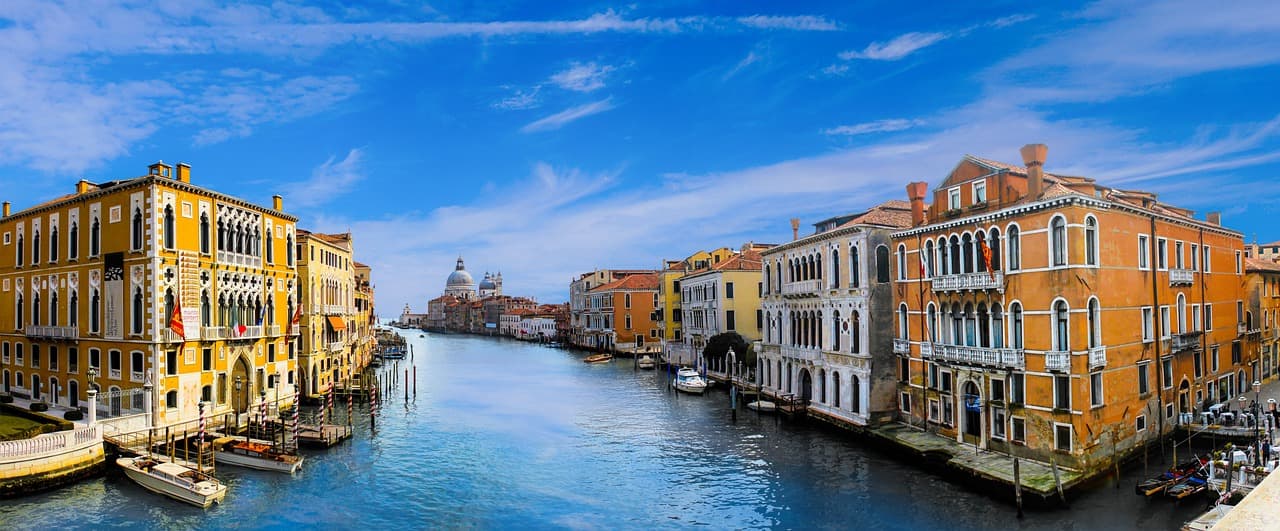
The strain is showing up where European governments are most exposed: public health, energy use and daily work patterns. Dense urban areas trap heat in concrete and traffic, leaving nights uncomfortable and limiting recovery for residents, while hospitals and nursing homes face added pressure as temperatures climb. Higher cooling demand also pushes up electricity use, and the same weather that empties sidewalks can disrupt work schedules, outdoor labor and tourism in cities built around walking and sightseeing.
That broader pattern is no longer confined to a single country or a single week. Europe had already logged its warmest summer on record in 2024, at 1.54C above the 1991 to 2020 average, and June 2024 was the warmest June ever recorded globally. British Red Cross guidance in that period warned travelers across several European countries, including Italy, to take precautions as unusually hot weather spread through the region.
The latest round of red alerts shows how heat has moved from a seasonal nuisance to a recurring policy problem. Cooling centers, hydration advice and medical readiness matter in the short term, but repeated heat waves are also forcing governments to think about grid capacity, labor protections and how southern European cities will cope with fewer overnight breaks from the heat.
This article was produced by Prism’s automated news system from verified source data, official records, and press releases, then run through automated quality and moderation checks before publishing. The system is built and supervised by the people who set the standards it runs under. Read our full AI policy.
Did this article answer your question?