Pakistan tightens media restrictions amid Kashmir protests and rights warnings
Pakistan detained two journalists in Islamabad as Kashmir coverage came under tighter control. Rights groups said the clampdown would hide protests from independent scrutiny.
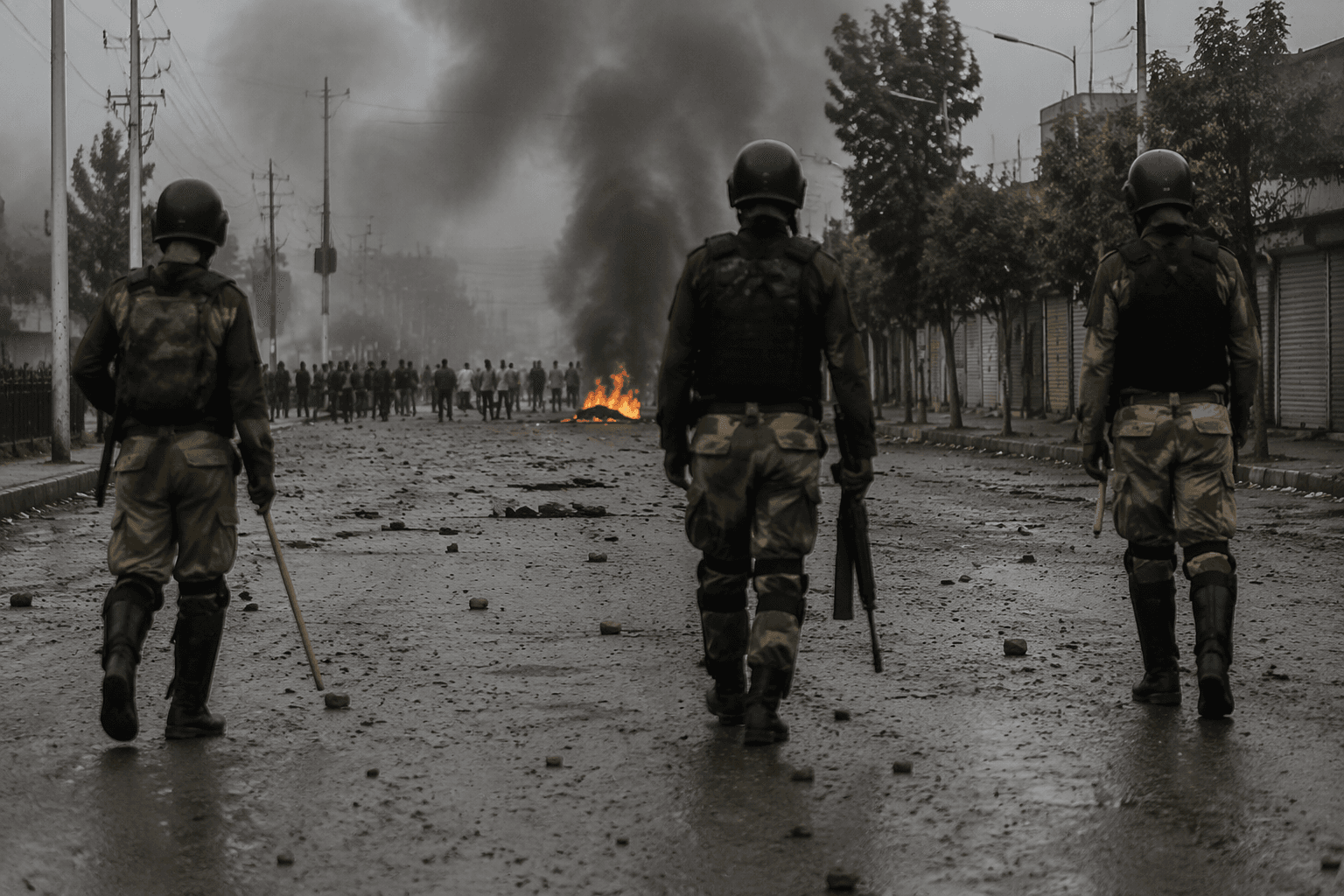
Pakistani journalists Razi Tahir and Muhammad Saif were detained in Islamabad on Aug. 5, 2026 after men in police uniform took them from their office, deepening a crackdown on reporting about Kashmir. The Committee to Protect Journalists said the move came amid pressure on coverage of the protest movement and a widening effort to keep local and foreign media away from the region.
The detention landed in an information climate that had already been tightened by law. Amnesty International said in August 2025 that amendments to online speech and anti-terrorism laws significantly affected freedom of expression and peaceful assembly in Pakistan. In January 2025, Amnesty also said authorities passed a bill with sweeping controls on social media, further narrowing the space for dissent and for reporting on unrest.
Pakistan’s standing for press freedom had already deteriorated. Reporters Without Borders ranked the country 158th in its 2025 World Press Freedom Index, down six places from 2024 and eight from its 2023 peak. That slide reflected a media environment where reporters faced growing legal and physical pressure even before the latest restrictions around Kashmir.
The pattern was visible in earlier crackdowns. The Committee to Protect Journalists documented arrests and attacks on journalists, along with media offices set ablaze, during protests in May 2023 after former prime minister Imran Khan’s arrest. It also recorded attacks on several journalists covering the “Freedom March” in August 2014. Rights groups say those episodes fit a recurring use of national security, anti-terror and public-order claims to curb reporting when protests turn volatile.
Kashmir has become the sharpest test of that strategy. RSF has issued multiple Kashmir-related alerts warning about information blackouts and censorship in the region, and restrictions on journalists now shape how quickly the world can verify what is happening on the ground. Limiting access to local and foreign reporters makes it harder to independently confirm protests, arrests, casualties and official claims in real time, which is precisely why the pressure on Tahir and Saif matters beyond one office in Islamabad.
This article was produced by Prism’s automated news system from verified source data, official records, and press releases, then run through automated quality and moderation checks before publishing. The system is built and supervised by the people who set the standards it runs under. Read our full AI policy.
Did this article answer your question?