Brazil may end fuel subsidies if oil prices settle near $80
Brazil is weighing a rollback of fuel relief if crude settles near $80, testing whether lower fiscal costs can outweigh a backlash over pump prices.
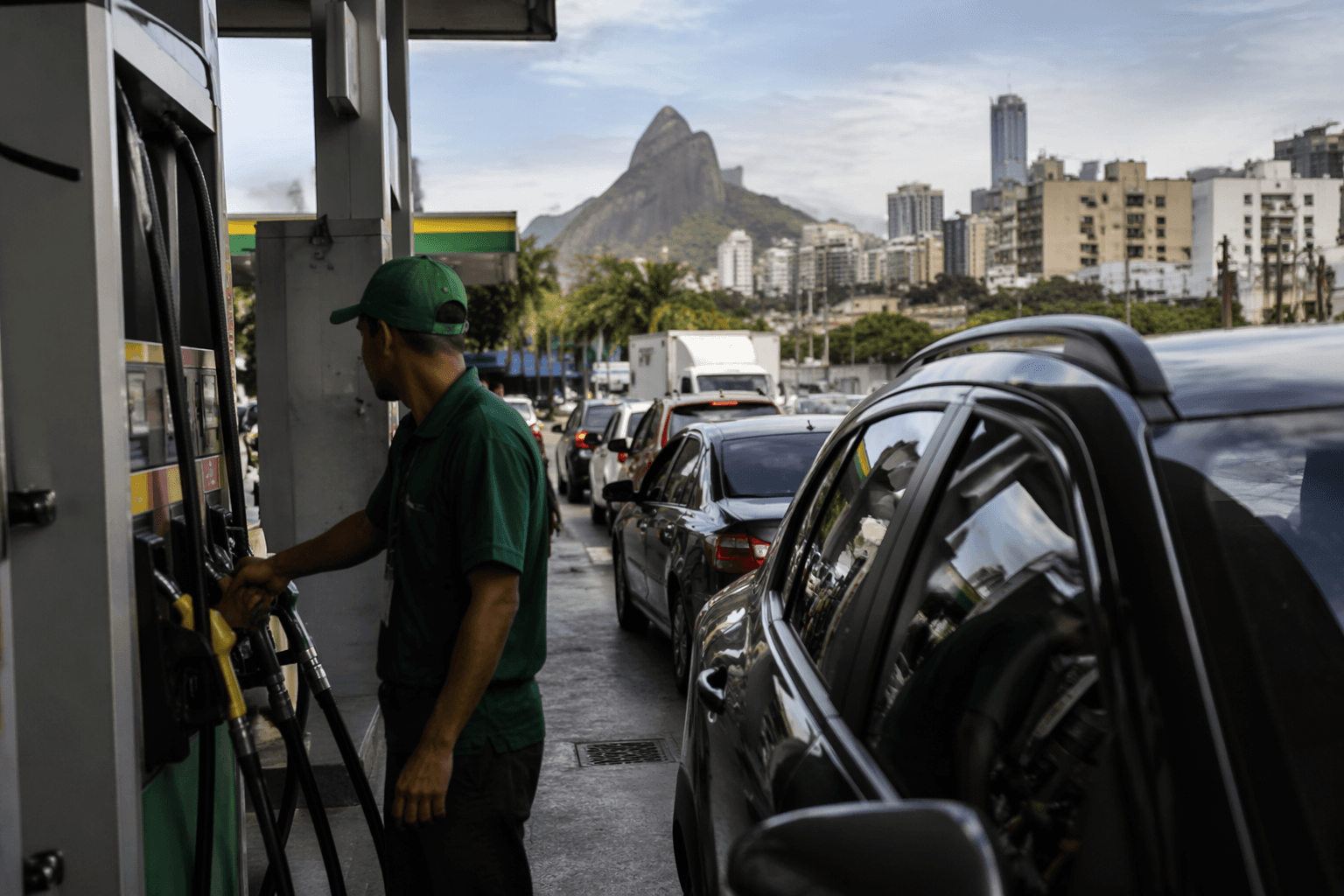
Brazil is preparing to unwind diesel and gasoline subsidies if crude oil settles around $80 a barrel, a move that would mark a sharp turn in Brasília’s cost-of-living strategy as global oil markets cool with progress toward a U.S.-Iran deal. Rogério Ceron de Oliveira, the Finance Ministry’s executive secretary, said the support measures could be scrapped if prices stabilize at that level.
The decision would matter far beyond the budget. Diesel feeds freight, agriculture and food distribution, while gasoline hits households directly at the pump. If oil rises again after any rollback, higher fuel costs could ripple through transport fares, crop logistics and inflation, leaving Lula da Silva’s government exposed to the same public pressure that helped justify the subsidies in the first place.
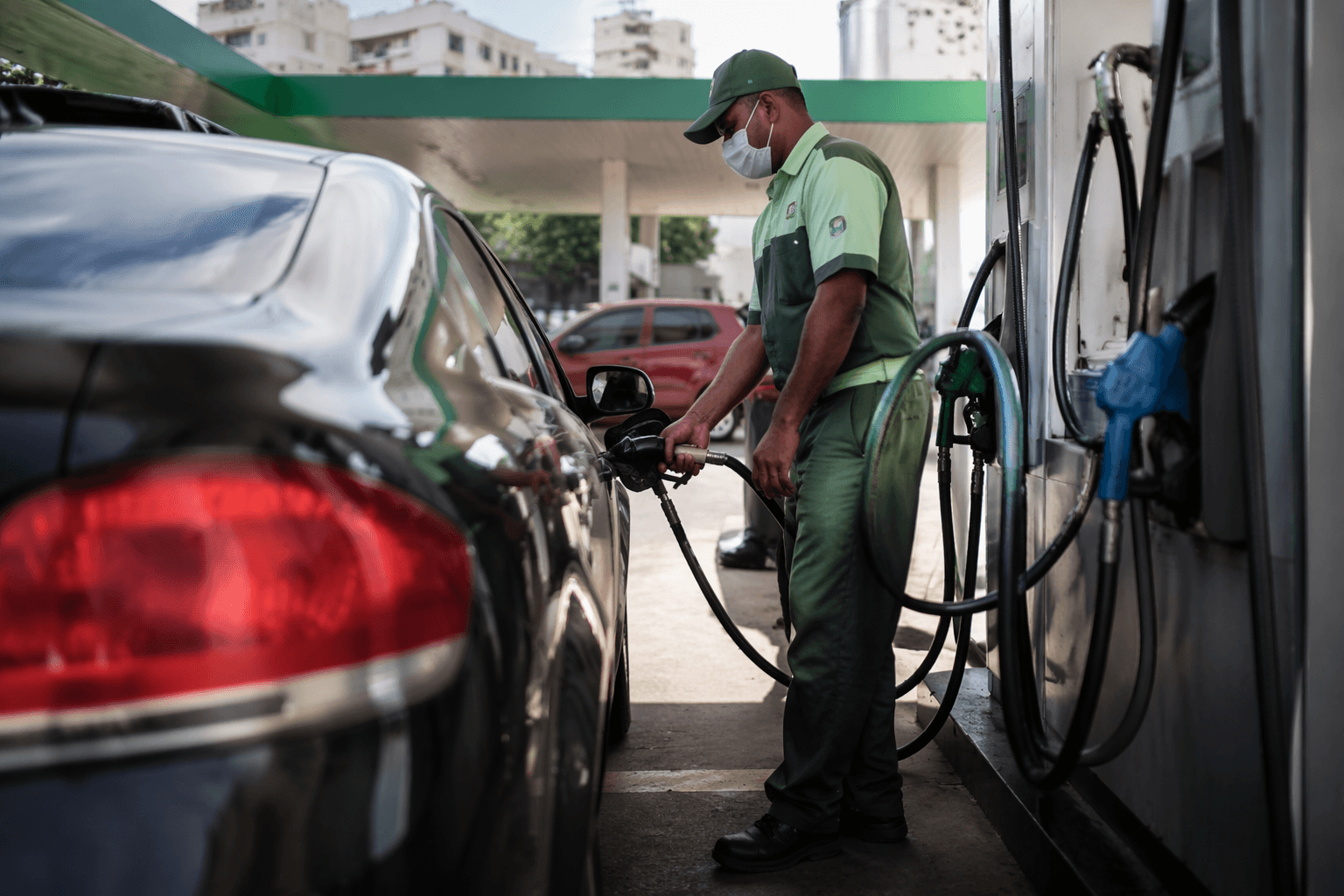
Brazil has already spent months layering emergency relief onto fuel policy. On March 12, 2026, Lula signed a decree zeroing PIS/Cofins on diesel to ease the effect of the war in Iran on the cost of living, especially transport and food. The government then authorized a R$0.32-per-liter subsidy for road diesel under MP 1.340, effective from March 12 through December 31, 2026, and the ANP approved related operational measures on March 27.
The package expanded again in April, when MP 1.349 widened support to diesel, LPG and aviation. On May 13, Brazil added gasoline to the list, and an official communication on June 9 said the newer diesel rules would deliver a R$1.12-per-liter discount. The sequence shows how quickly Brasília moved to cushion consumers after the Middle East shock pushed fuel costs higher.
That same speed now cuts the other way. Brazil is a crude-oil exporter, but it still imports part of the refined products it consumes, especially diesel, leaving the country exposed to swings in supply and pricing. Ending subsidies near $80 crude would offer short-term fiscal relief and reduce distortions in domestic fuel markets, but it would also risk a political backlash from drivers, truckers and households if crude rebounds and pump prices move higher again. The ANP has kept a 2026 subsidy information page active and has also been debating rules for abusive fuel-price increases, a reminder that consumer protection and market discipline remain central to the fight over energy costs.
This article was produced by Prism’s automated news system from verified source data, official records, and press releases, then run through automated quality and moderation checks before publishing. The system is built and supervised by the people who set the standards it runs under. Read our full AI policy.
Did this article answer your question?

%3Amax_bytes(150000)%3Astrip_icc()%2FCertificate-of-deposit-2301f2164ceb4e91b100cb92aa6f868a.jpg&w=1920&q=75)
