Brazil, Spain and Mexico pledge aid to Cuba amid humanitarian crisis
Brazil, Spain and Mexico tightened their Cuba push as shortages deepened, pairing sovereignty rhetoric with aid that could affect fuel, food and medical relief.
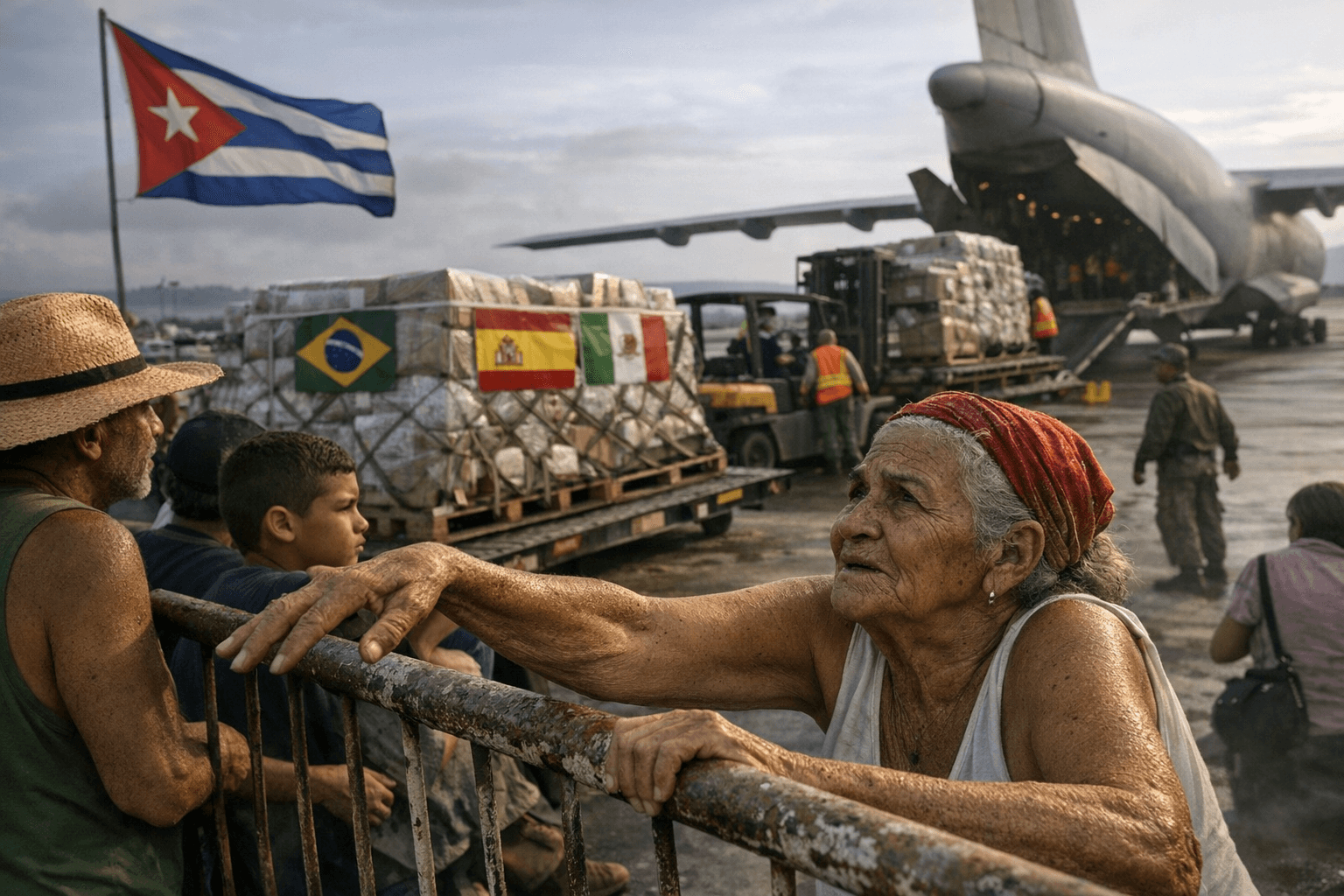
Brazil, Spain and Mexico moved together on Cuba with a joint pledge that blended diplomacy and relief at a moment when the island’s shortages have become severe enough to draw in the United Nations, Canada and the European Union. Their statement said the three governments would step up a coordinated humanitarian response to alleviate suffering in Cuba, while also insisting that Cubans themselves must decide their future in complete freedom.
The language was as important as the money and supplies. By blaming the crisis on the U.S. blockade and calling for a “sincere and respectful dialogue,” the three governments aligned themselves against Washington’s pressure campaign and cast the aid effort as a defense of sovereignty, not just charity. The statement also called for respect for international law, territorial integrity, sovereign equality and peaceful settlement of disputes, putting Brazil, Spain and Mexico on the side of negotiated engagement rather than confrontation.
That diplomatic posture comes as Cuba’s material situation has worsened sharply. The United Nations said Washington tightened measures at the end of January to block oil supplies to the island, deepening an energy crisis that left Cuba with more than 96,000 pending surgeries, including 11,000 for children, and about one million people depending on water trucking. The U.N. said Cuba received its first oil shipment in three months on April 2, when a tanker delivered 730,000 barrels of crude oil, enough for roughly nine to 10 days of demand.
The U.N. has also put a price tag on the response: a $94 million plan launched on March 24 that targets 2 million of the 4.2 million people affected by the energy crisis and Hurricane Melissa. The plan is aimed at eight provinces and, according to the U.N., has been built around the island’s collapsing power grid and the continuing strain on food, water and health systems. The European Union added another €2 million in humanitarian funding in early April.
Mexico’s role gives the new statement added weight. President Claudia Sheinbaum said on February 1 that Mexico planned to send food and other humanitarian aid to Cuba after Donald Trump said he had asked her to suspend oil shipments. Pemex reported shipping nearly 20,000 barrels per day to Cuba from January through September 30, 2025, before flows fell as U.S. pressure intensified. In March, Mexico also sent 1,200 metric tons of provisions, and a convoy organized under the banner “Nuestra América: Convoy to Cuba” was set to carry food, medical supplies and solar equipment.
The question now is how much of this regional alignment becomes tangible relief. Canada announced new assistance on April 17, including support for the World Food Programme, but aid in Cuba still passes through a state-controlled system that has drawn skepticism from doctors, residents and critics who worry it will not reach the most vulnerable. That tension defines the moment: Brazil, Spain and Mexico have signaled that Latin America and Europe are willing to challenge Washington’s line, but the real test will be whether the aid eases blackouts, shortages and medical backlogs on the ground.
This article was produced by Prism’s automated news system from verified source data, official records, and press releases, then run through automated quality and moderation checks before publishing. The system is built and supervised by the people who set the standards it runs under. Read our full AI policy.
Did this article answer your question?