Pro-Russian Radev leads Bulgaria's eighth election in five years
Bulgaria’s eighth vote in five years has elevated pro-Russian ex-president Rumen Radev, turning exhaustion with deadlock into a geopolitical test.
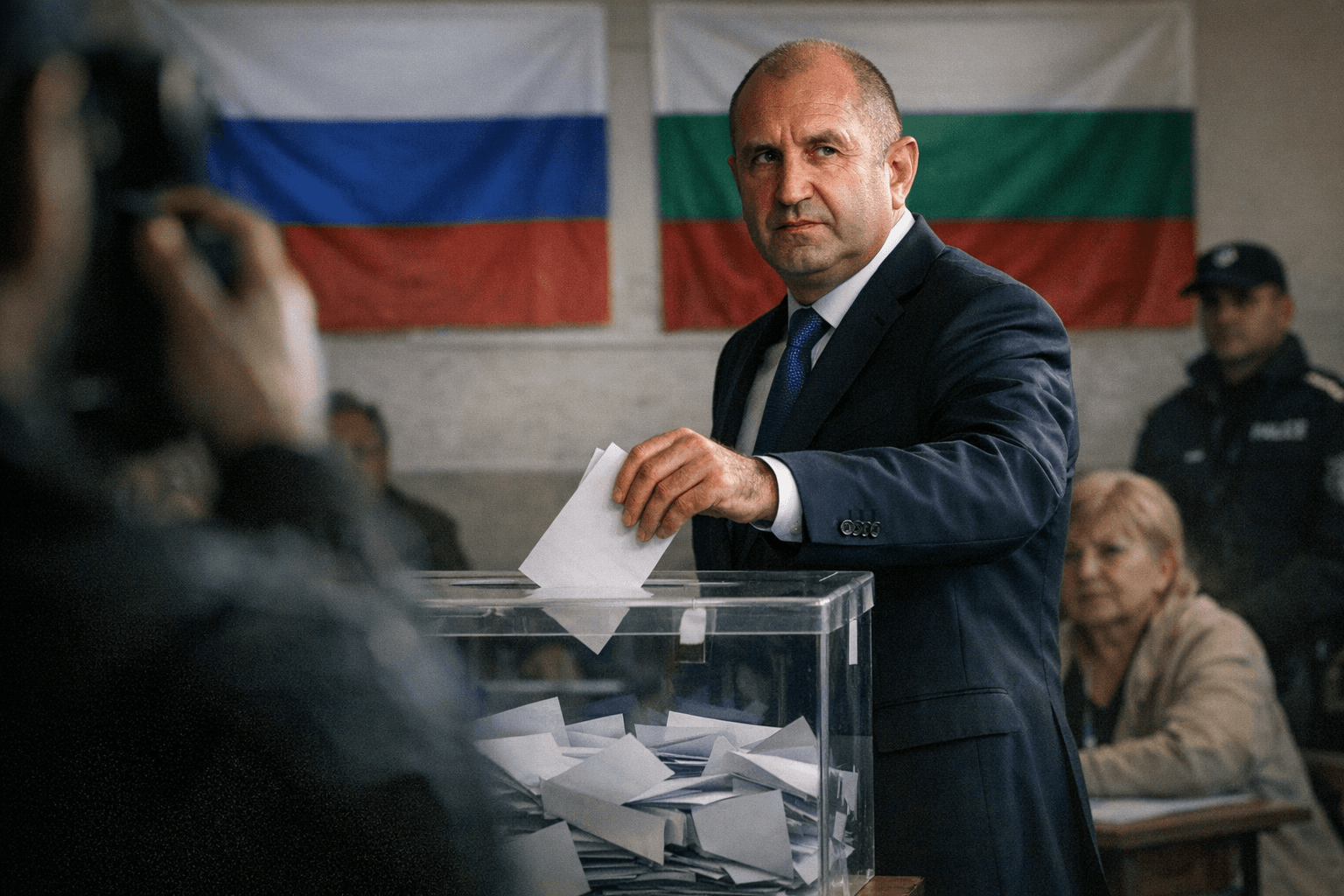
Bulgaria went to the polls with political fatigue at its most dangerous point: after seven parliamentary elections in five years, voters were weighing whether another cycle of instability would finally hand power to Rumen Radev, a former president and fighter pilot who has emerged as the clear frontrunner.
Radev, who is pro-Russian and eurosceptic, has built his campaign around a promise to end weak, short-lived governments and attack corruption. He has also launched a new three-party alliance, Progressive Bulgaria, to contest the vote. He has ruled out coalition deals with GERB, the party led by former prime minister Boyko Borissov, and with Delyan Peevski’s Movement for Rights and Freedoms faction, narrowing the path to any workable governing majority.
Tihomir Bezlov of the Centre for the Study of Democracy said a government may still be formed, but its survival is uncertain. That instability is exactly the opening Radev has tried to exploit, with supporters seeing him as a “saviour from the chaos.” His strongest appeal appears to be with older and rural voters, where frustration with repeated political collapse has been especially acute.
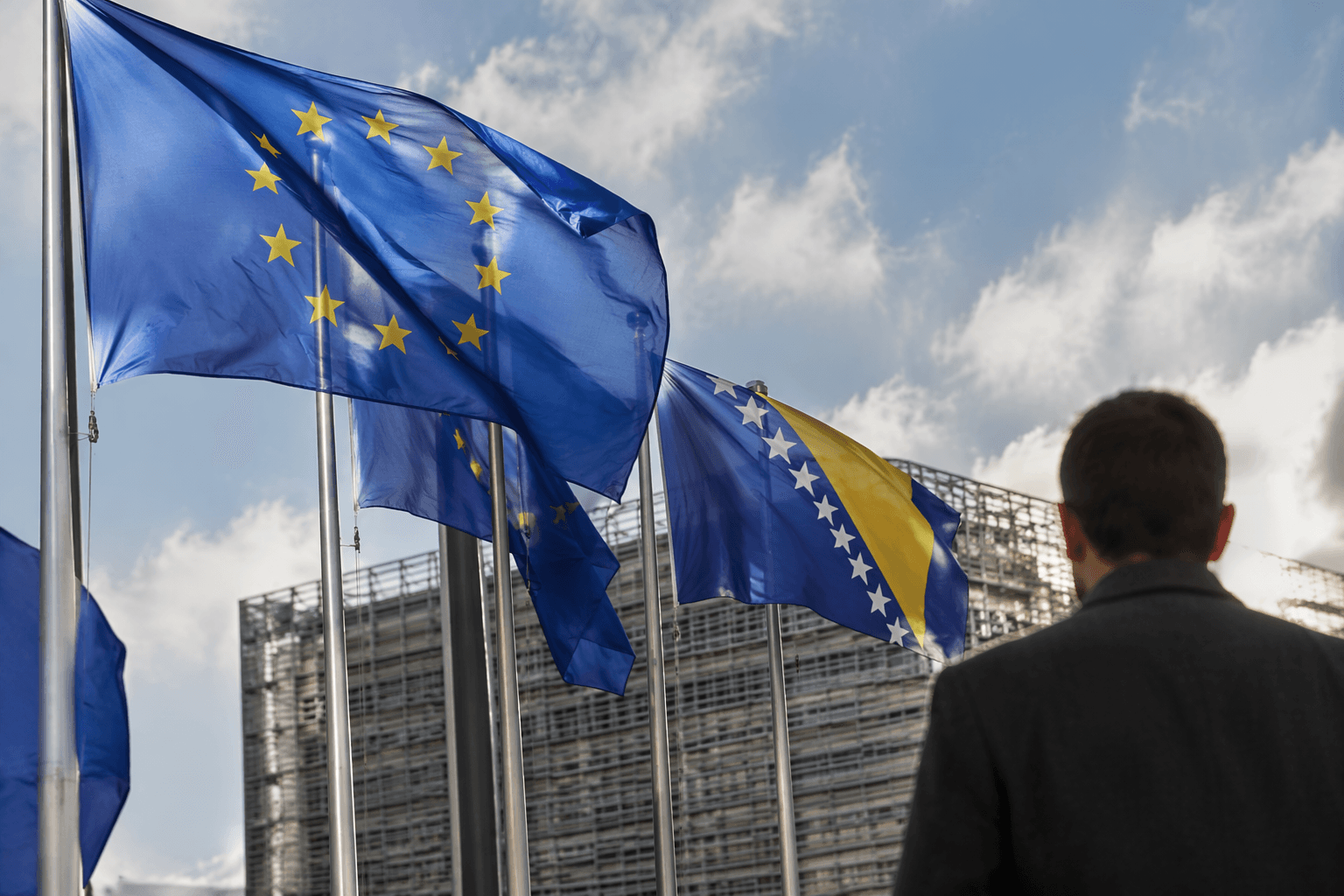
The stakes extend far beyond Sofia. Bulgaria joined the European Union in 2007 and entered the euro area on January 1, 2026, becoming its 21st member after the Council fixed the conversion rate at 1.95583 leva to the euro. This election is therefore not just about who governs next, but whether Bulgaria keeps moving deeper into the EU mainstream or tilts toward a more skeptical line inside Brussels.
That question matters to Ukraine and to NATO as well. Critics warn that a Radev victory could make Bulgaria a more Orbán-like member of the EU, especially because he has opposed military aid for Ukraine and is seen by opponents as sympathetic to Moscow. A Bulgaria led by a pro-Russian president would not break with the alliance, but it could complicate EU cohesion, weaken support for Kyiv and add another voice of hesitation on NATO’s southeastern flank.
Transparency International’s 2025 Corruption Perceptions Index underlines why the anti-graft message has found traction. Bulgaria scored 40 out of 100 and ranked 84th among 182 countries, leaving it among the European Union’s weakest performers on corruption.
If Radev finishes first, the harder test begins after the ballots are counted. Bulgaria’s latest election may still produce a government, but it could also deepen the country’s role as a pressure point between the European Union’s push for unity and Russia’s effort to exploit democratic exhaustion.
This article was produced by Prism’s automated news system from verified source data, official records, and press releases, then run through automated quality and moderation checks before publishing. The system is built and supervised by the people who set the standards it runs under. Read our full AI policy.
Did this article answer your question?